Gleanings of the Week Ending February 7, 2026

The items below were ‘the cream’ of the articles and websites I found this past week. Click on the light green text to look at the article.

1/22/2026 I’m Plastic Free How Geography Impacts Plastic-Free Living - Many people want to reduce plastic, but simply don’t have the tools nearby. In larger cities, it’s often easier to find refill stores, farmers’ markets, and shops that sell loose produce, but the access varies widely between wealthier and lower-income city areas. Living in a city doesn’t guarantee sustainable options. here are a variety of factors that determine the amount of plastic used by consumers. These usually include their location, the system of commerce, and the accessibility of plastic products. Understanding how an area shapes shopping decisions will lead to people advocating for a change where it matters the most.

1/22/2026 Yale Environment 360 In Europe, Wind and Solar Power Overtakes Fossil Fuels - Last year, for the first time, wind and solar supplied more power than fossil fuels to the E.U. In parts of Europe, there are signs that increasingly cheap batteries are beginning to displace natural gas in the early evening, when power demand is high, but solar output is waning.

1/23/2025 Smithsonian Magazine United Nations Declares That the World Has Entered an Era of ‘Global Water Bankruptcy’ - Life around the world has been feeling the effects of climate change, land degradation, deforestation, pollution and the overuse of water. Ultimately, most regions are using too much of their renewable “income” of water from rivers and snowmelt and have emptied their “savings” in groundwater and other reservoirs, ushering in an era of “global water bankruptcy.” We cannot rebuild vanished glaciers or reinflate acutely compacted aquifers. But we can prevent further losses and redesign institutions to live within new hydrological limits.

1/21/2026 BBC Future How the nutritional benefits of foods change as you age - The two main nutrients we should focus on in old age are calcium and vitamin D. Eating enough quality protein is also really important as we age.

1/20/2026 ScienceDaily Stanford scientists found a way to regrow cartilage and stop arthritis - Scientists at Stanford Medicine have discovered a treatment that can reverse cartilage loss in aging joints and even prevent arthritis after knee injuries. By blocking a protein linked to aging, the therapy restored healthy, shock-absorbing cartilage in old mice and injured joints, dramatically improving movement and joint function. Human cartilage samples from knee replacement surgeries also began regenerating when exposed to the treatment. Human trials will be launched soon.

1/12/2026 The Daily Show Vitamin Plastic Water: Don’t Just Consume Microplastics, Enjoy Them! – Humor in a plastic world.

1/20/2026 NASA Explore North America’s Greenhouse Hub - In the Leamington (Ontario) area, growers cultivate vegetables and other crops within millions of square feet of greenhouse space. Commercial greenhouse operations began to gain a foothold in this area in the 1960s and 1970s as technology advanced and regional demand for fresh vegetables increased. Since then, the industry has continued to grow, securing Leamington’s reputation as the “greenhouse capital of North America.”

1/20/2026 NPR Polyester clothing has been causing a stir online. But how valid are the concerns? - Though polyester has been around for a while, in many cases, manufacturers have begun using polyester for items that natural fibers would be better suited for. For example, polyester is often found in summer clothes, even though the material traps heat. And people eventually dump clothes that are uncomfortable. Mounds of abandoned clothing are showing up on coastlines in countries like Ghana, India and Chile, Palladino said. Ghana, for example, has a large market for upcycling clothes. But many of the clothes it receives from the U.S. are of increasingly lower quality, so some purchasers dump them in lagoons and landfills, which end up in the oceans. Natural fibers clothing have cost you a little more, but you're going to have it longer.

1/19/2026 ArtNet The Forgotten Designer Who Created America’s First National Parks Posters - Dorothy Waugh was a pioneering Modernist designer who created the U.S. government’s first in-house National Parks poster campaign during the Great Depression, is the subject of her first-ever solo exhibition. After leaving the NPS, Waugh got a job at Knopf, founding and leading the publishing house’s Books for Young Adults Division. She also worked for 25 years as the head of public relations at the Montclair Public Library in New Jersey. In addition, Waugh was an educator, offering the first-ever course in typography at the New York School of Fine and Applied Art, now the Parsons School of Design. On top of all that, she moonlighted as journalist and poet, and even as a radio personality, with her own regional radio program. She also wrote and illustrated many books for children, as well as two scholarly tomes on the poet Emily Dickinson. The last of those was published when Waugh, who lived to be 99, was 94.

1/18/2026 Our World in Data How have crime rates in the United States changed over the last 50 years? - Several crimes fall within the category of violent crimes. In US statistics, this includes homicide (murder and non-negligent manslaughter), rape, robbery, and aggravated assault. Violent crime rates increased during the 1980s, reaching a peak in the early 1990s at around 750 offenses per 100,000. Since then, rates have more than halved. Over the past three decades, rates have fluctuated slightly from year to year, but the overall trend has been downward.
Plastics Crisis – Action at the Community Level – January 2026

The weekly Plastics Crisis posts are dominated by what I am doing as an individual to reduce my plastics exposure – but I am also acting at a community level as well; my plan is to post at least once a month to document those actions. Looking back at January, there was a bigger variety than I anticipated at the beginning of the month.

Beyond Plastics Ozarks is ramping up! We added a few additional members, and I hosted my first zoom meeting for the group. I experimented with annotating the Zoom generated summary rather than writing up my own notes; it seems to work reasonably well but I will still take plenty of notes during the meeting!

I was part of a meeting with a Springfield Councilmember organized by the Show-me less plastic project.

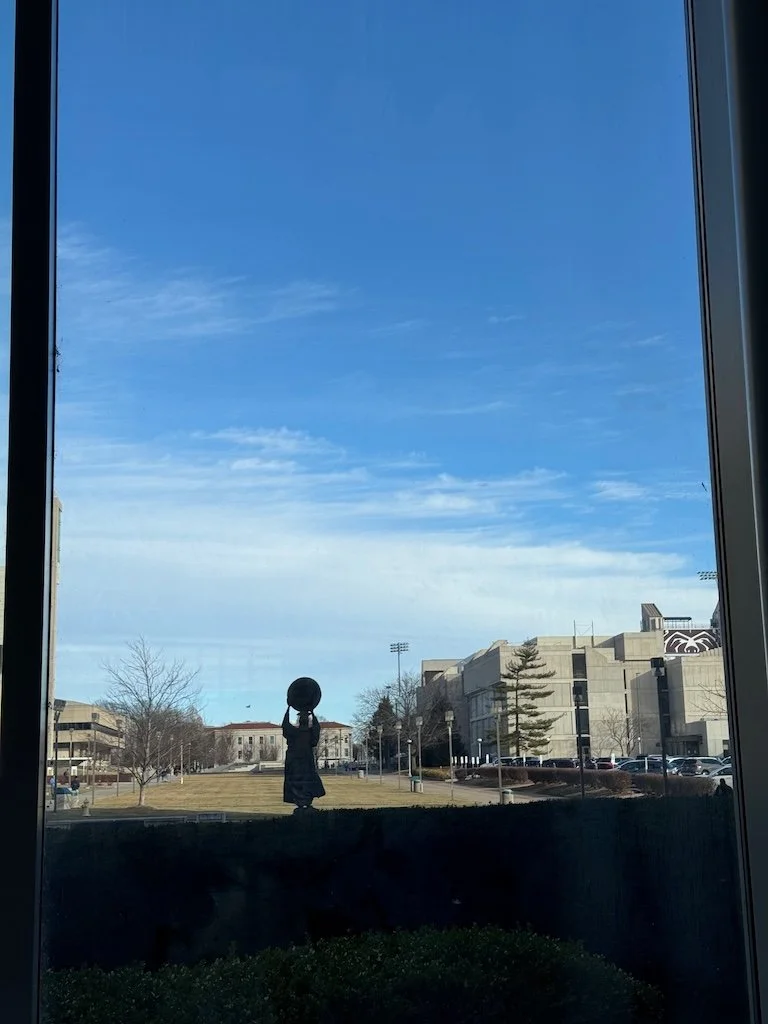
I  recorded a segment of the KSMU Growing the Ozarks podcast about Microplastics in the Environment. It was an adventure for me – going to the recording studio on the Missouri State University campus (taking some pictures as I waited in the foyer) and getting the recording acceptable on the first try thanks to my experienced interviewer.

During my travel to Lewisville TX, I noticed a lot of plastic at the hotel’s breakfast service…and used the survey from the hotel afterward to indicate my concern about Styrofoam plates and plastic utensils with hot food. I had stayed at the same brand/chain in St. Joseph MO and they had used ceramic plates and stainless utensils. The General Manager of the hotel responded: “We truly appreciate your suggestions about reducing single-use plastics and will share them with our leadership team for consideration.” I stay at the same hotel every month when I visit my dad so I will know if they make changes.

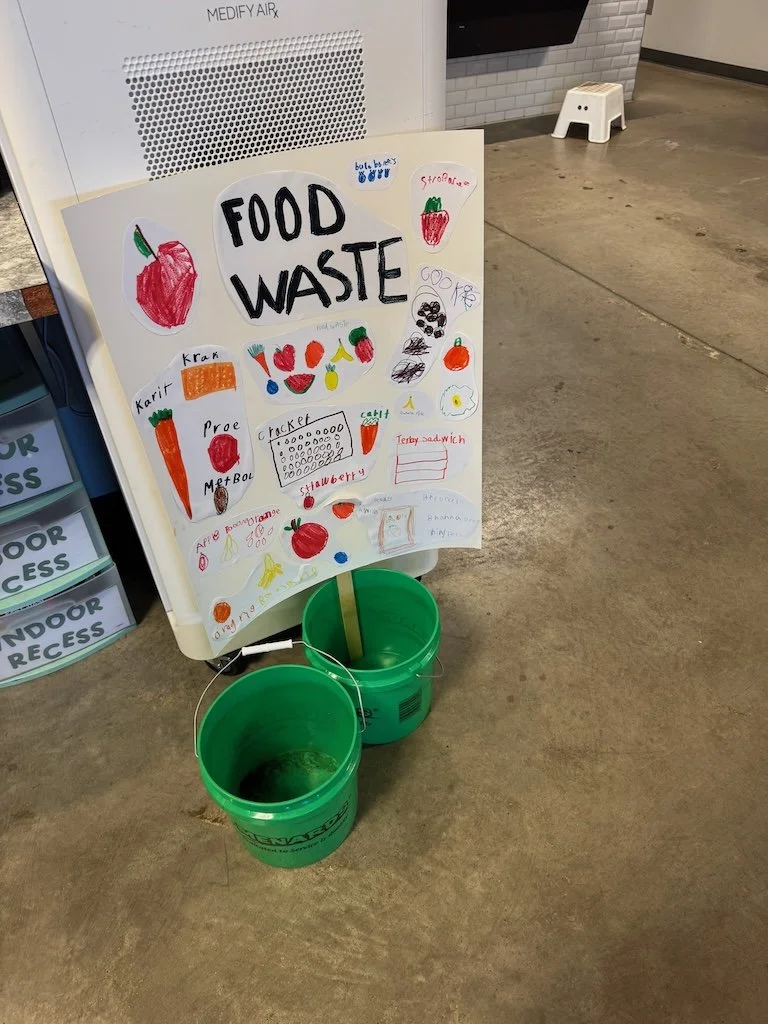
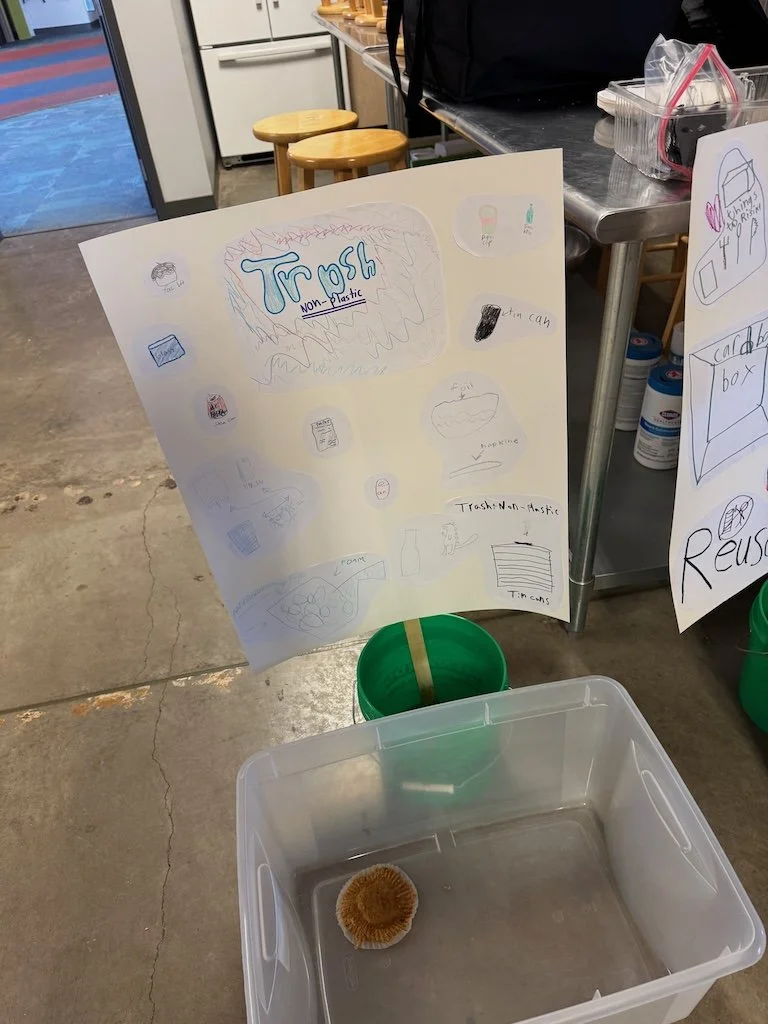
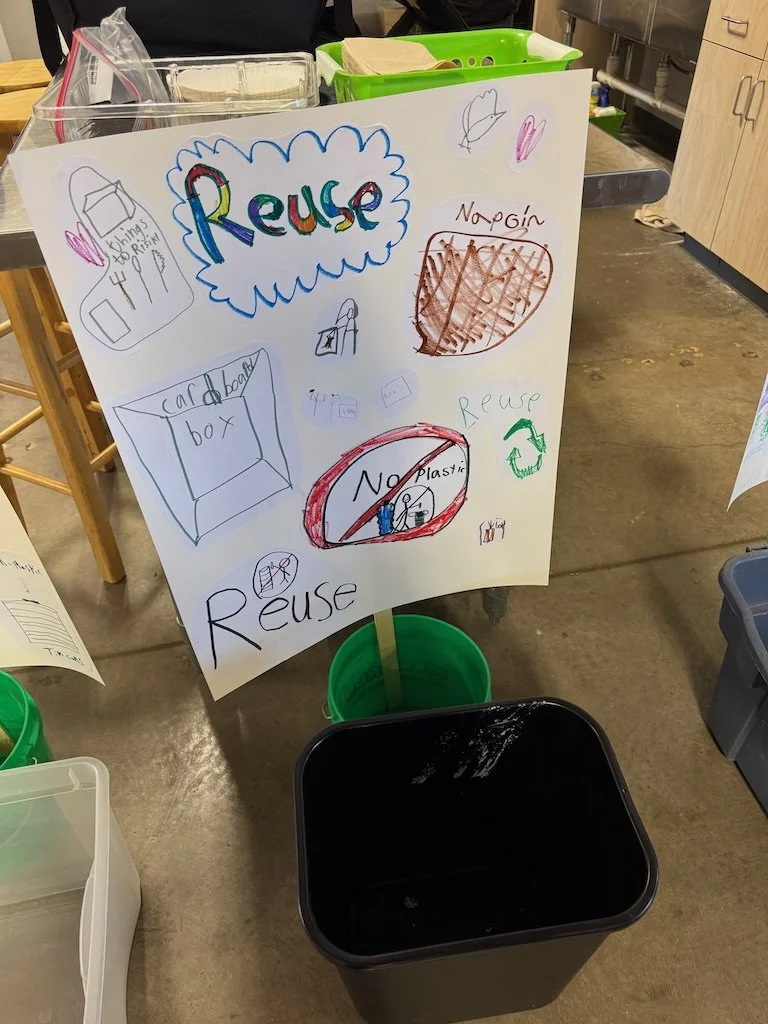
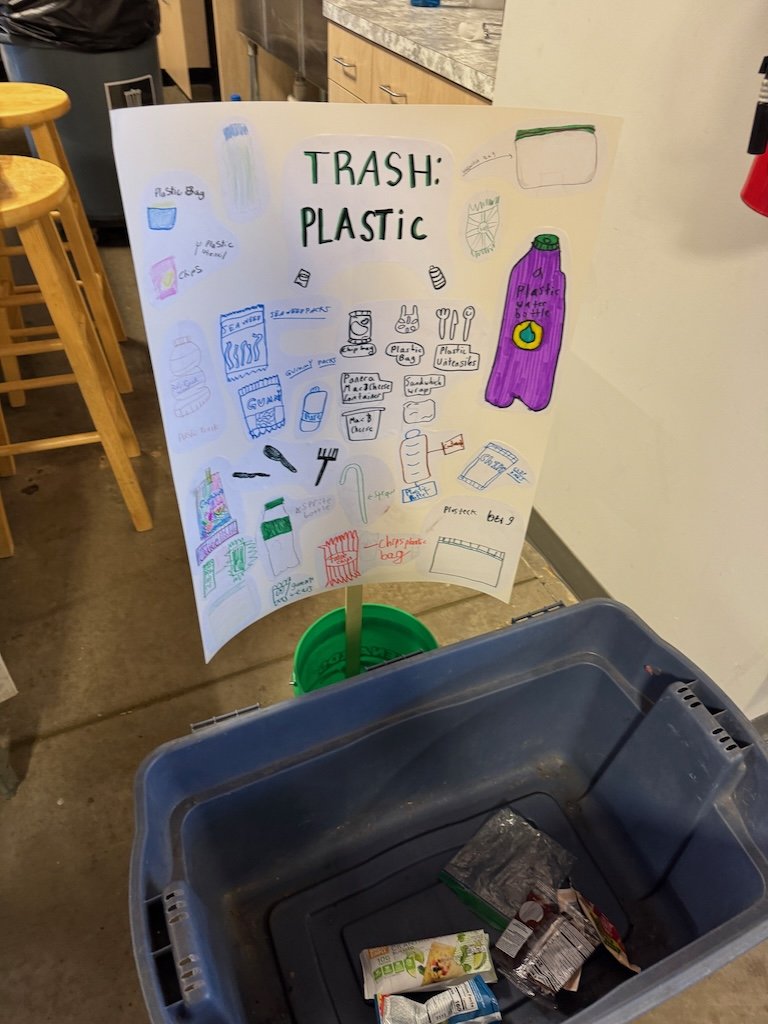
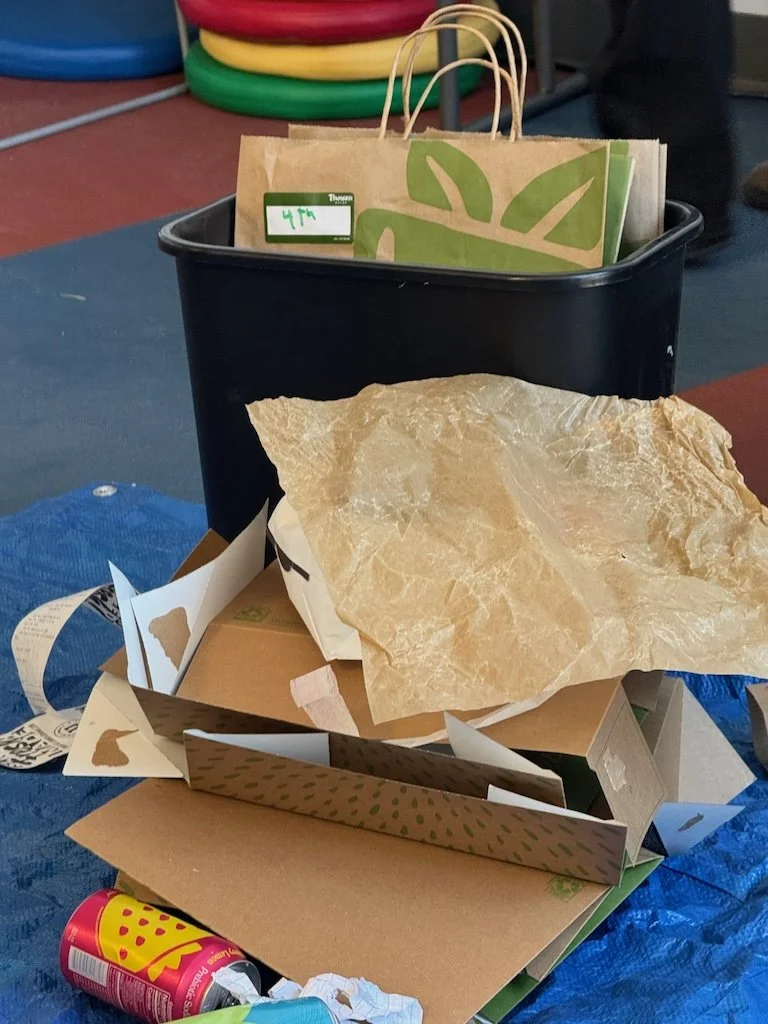
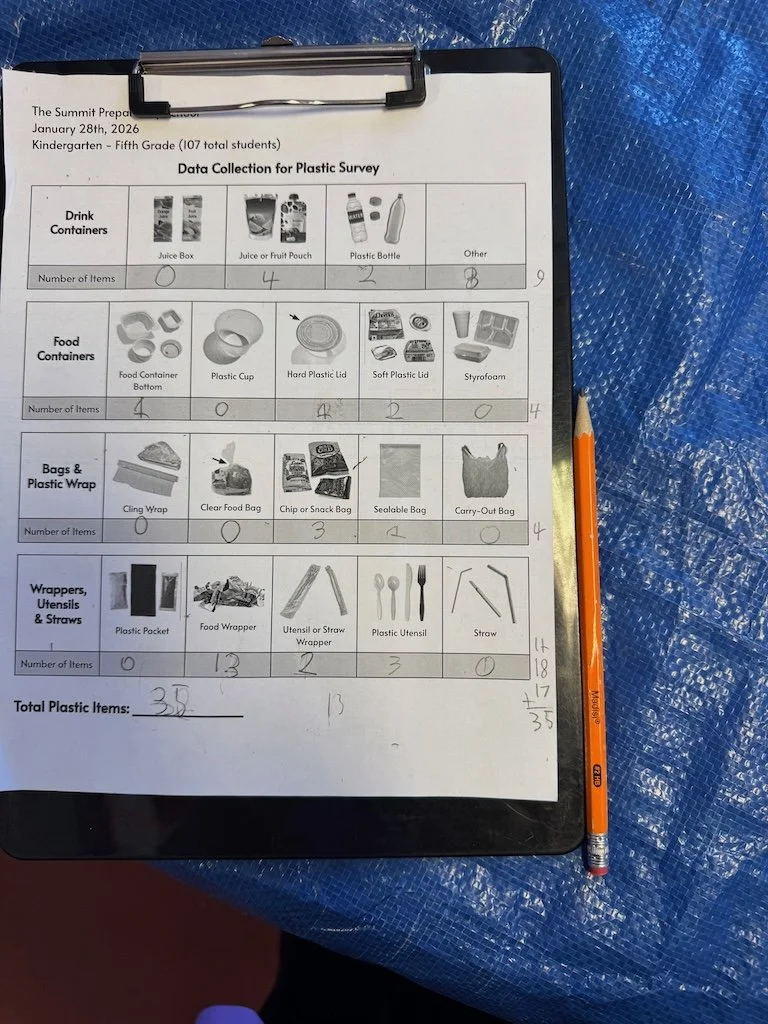
I helped with a lunch trash audit at a private school in Springfield organized by the Show-me less plastic project. The teacher was a fellow Missouri Master Naturalist and had done a great job preparing for the event – having the elementary students make posters for the initial sorting: food waste, non-plastic trash, reuse, and plastic trash. After their lunch the students put their trash in the correct bin.

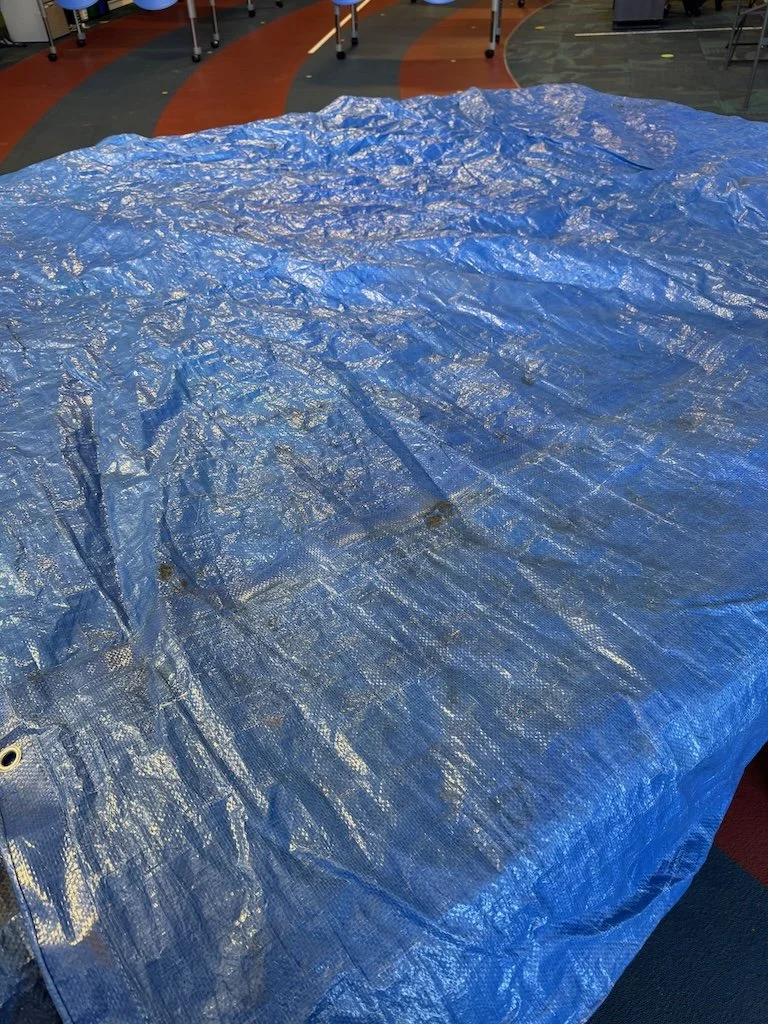
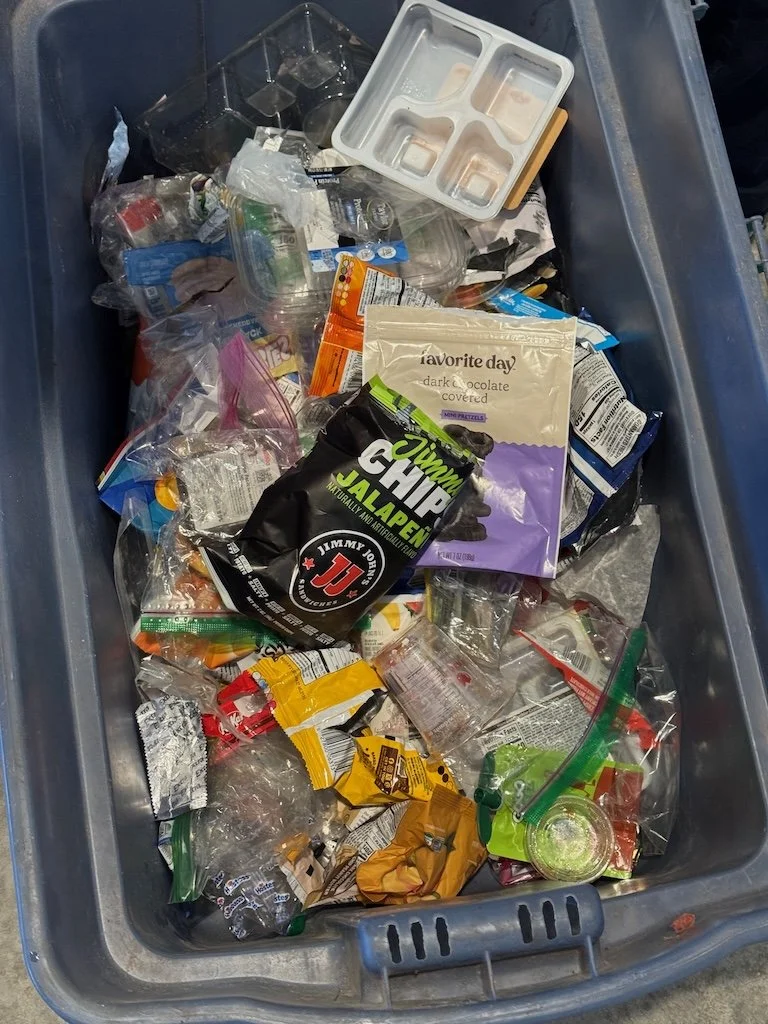
We (the adults) moved to a classroom with tarps over tables and on the floor which would be used for sorting by students over 3 class periods. The third and fourth graders divided into 4 groups and used the tarp covered table for the non-plastic  and plastic trash respectively while the second graders used the floor tarp to sort reuse/recycle.

The sorting of the plastic trash was the most thorough – with a worksheet for each group to categorize pieces of trash as they counted. Some of it was quite small!  

The next action the school is considering is to do a plastic free lunch!

In looking back at January, I am wondering if there will be as much every month or whether January unusual. This type of volunteering has components that are new to me; my strategy is to let it develop rather than try too hard to determine its direction!

Gleanings of the Week Ending January 24, 2026

The items below were ‘the cream’ of the articles and websites I found this past week. Click on the light green text to look at the article.

1/3/2026 The Scientist Polio Vaccine History: The Shot That Saved Millions - On April 12, 1955, when the Salk polio vaccine was declared “safe and effective,” church bells rang out, kids were let out of school, and headlines around the world celebrated the victory over polio. When asked whether he was going to patent the vaccine, Salk told journalist Edward R. Murrow it belonged to the people and would be like “patenting the sun.”

1/8/2026 Smithsonian Magazine Hundreds of Flowering Species Bloomed Across Britain and Ireland Last Winter - Citizen scientists in the British Isles documented more than 300 native plant species blooming in early 2025, a phenomenon likely caused by climate change. While it’s lovely to see so many wildflowers in bloom … it’s also a sad reflection of the way our climate is changing and the knock-on effects this might have for all the wildlife—bees and other pollinators, butterflies and all the larger creatures further up the food chain—that depend on plants. If flowering times are increasingly out of sync with insect hatching times, the consequences could be very serious.

1/8/206 People in Brazil are living past 110 and scientists want to know why – Brazil’s highly diverse population harbors millions of genetic variants missing from standard datasets, including rare changes linked to immune strength and cellular maintenance. Brazilian supercentenarians often remain mentally sharp, survive serious infections, and come from families where multiple members live past 100. Together, they reveal aging not as inevitable decline, but as a form of biological resilience.

1/7/2026 The Conversation Surprising number of foods contain microplastics. Here’s how to reduce the amount you consume - While eliminating plastics entirely from our diets may be impossible, making these swaps should help to reduce your exposure.

1/6/2026 Nature Defossilize our chemical world - Achieving net zero means eliminating fossil fuels, not carbon — the chemical element has a crucial part to play in powering the modern world. Defossilization means finding sustainable ways to make carbon-based chemicals. Alternative sources of carbon include the atmosphere and plants, as well as carbon in existing biological or industrial waste, such as used plastics or agricultural residue. In some cases, these chemicals will eventually return carbon dioxide to the atmosphere through burning or biodegradation. In principle, this will occur as part of a circular process, rather than one that has added greenhouse gases.

1/5/2026 Planetizen The Child Population in These Cities is Dropping Fast - The proportion of young children in western U.S. metros is falling faster than in other parts of the country. Lower birth rates can sometimes ease immediate pressure on housing and schools but also lead to challenges in supporting economic growth and elder care, as the ratio of working adults to retirees declines.

1/4/2026 Washington Post What we learned about microplastics in 2025 - For many scientists, 2025 was the year of microplastics. It’s only in the past year or so that we have begun to understand that the tiny plastics — including some that are impossible to see with the naked eye — are in our bodies and food as well.

1/9/2026 Science Alert Study Finds Microplastics Are Widespread in Popular Seafoods - In the Pacific Northwest – a region of North America renowned for its seafood – researchers have found particles from our waste and pollution swimming in the edible tissue of just about every fish and shellfish they collected.

12/18/2025 Yale Environment 360 After Ruining a Treasured Water Resource, Iran Is Drying Up - Iran is looking to relocate the nation’s capital because of severe water shortages that make Tehran unsustainable. Experts say the crisis was caused by years of ill-conceived dam projects and overpumping that destroyed a centuries-old system for tapping underground reserves. 

1/8/2026 BBC The animals saved in Greece's ancient accidental 'arks' - Shielded from development and agriculture, many archaeological sites have now become inadvertent safe harbors for plants and animals. In Italy, rare orchids flower around an Etruscan necropolis. In the ancient Greek religious centre of Delphi, researchers found what they believe is a new species of snail – just 2mm (0.08in) long – suspected to live only in that area. In recent years, two new species of lizard were identified in Machu Picchu that may have once had a wider range and today enjoy the relatively undisturbed conditions of the ancient sanctuary. To better understand the connection between historical sites and nature, in 2022 the Greek government launched the Biodiversity in Archaeological Sites research project. Over two years, 49 specialists in all kinds of plants and animals surveyed 20 archaeological sites that spanned Greek history. 

Plastics Crisis – The Personal Economics of Less Plastics

I’ve been making changes over the past months to reduce plastic around my house enough that I am now thinking about the benefits we are observing.

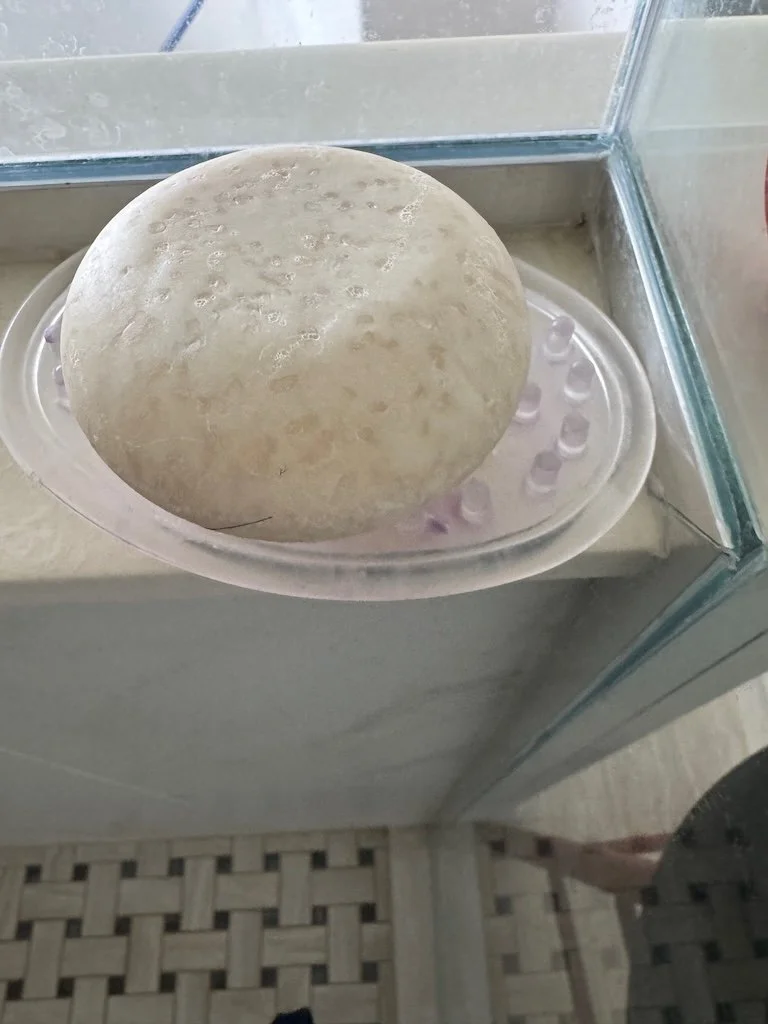
Our transition to bar soaps for showers and hand-washing costs less than the myriad of plastic bottled products…and both my husband and I have noticed skin improvements (less itching, less dry skin).

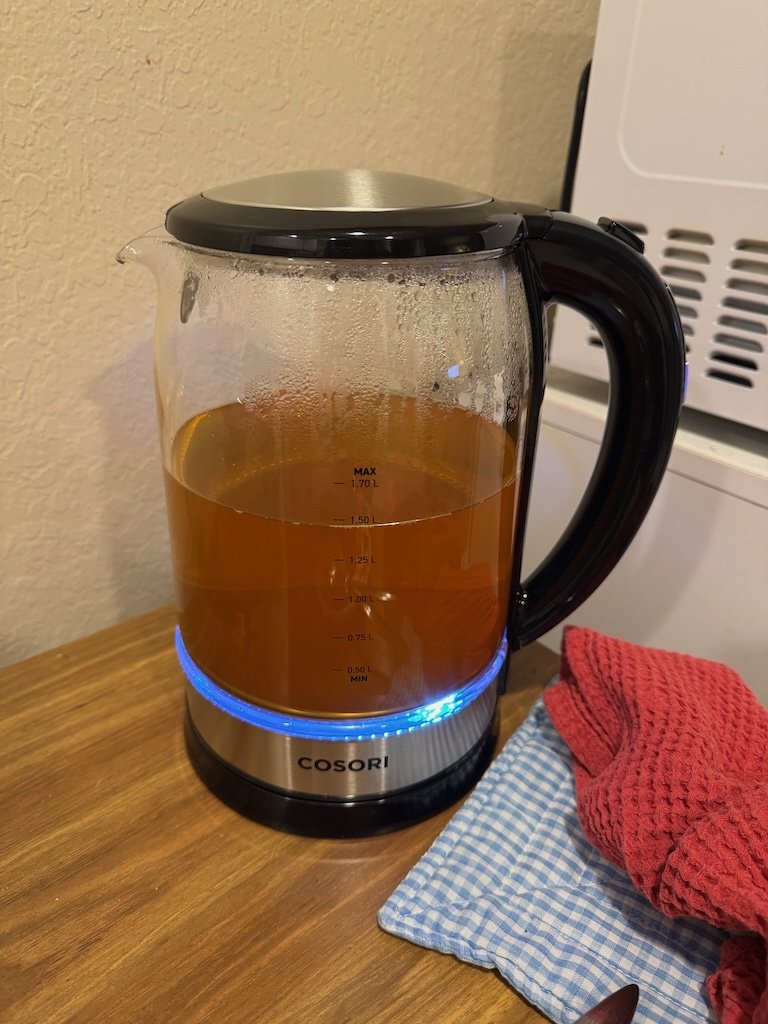
My electric tea kettle (only glass or stainless surfaces touching the water) is better than I imaged it would be – much better for making tea than the old coffee maker (that had a lot of plastic parts). I discovered that our water has enough minerals that the tea kettle developed scale quickly; putting a little lemon juice in the water (i.e. acid) solved the problem. I am using tea bags that are supposedly free of plastic glue but am considering cutting them open and using the tea leaves only. The tea makes it easier for me to cut back on soft drinks too! From a cost standpoint it is about the same as buying a new coffee maker.

I replaced all my plastic leftover and storage containers for food with glass (even though they have plastic lids….I don’t overfill the containers so that food never touches the plastic). The food is preserved as well as before and I find myself also using the containers for some items I previously put in Ziplocs (i.e. plastic) – like cranberries I am freezing and carrots I am taking with me for snacks on road trips. When I can’t buy a veggie except in a plastic bag (like carrots), I am starting to put them in a glass container when I get home from the store with the idea that the longer the carrots are in the plastic bag, the more microplastics they have on/in them. I also like that the glass dries better in my dishwasher!

The Rorra water filter is working well for us. We use it for drinking and cooking and the water fountain for the cats. There is no reason for us to buy bottled water any more. Of course – the Rorra and replacement filters cost something, but we are comfortable with our water at this point.

We replaced the type of humidifier we had with ones that use evaporation rather than creating a mist. This winter our house has about the same humidity level but without the white dust (and microplastics) the mist humidifiers created. Our air purifiers rarely go into ‘high’ mode now whereas last year they did any time we had them on near a humidifier.

Even though I have cut back on soft drinks, I still drink them occasionally….but they are in cans rather than plastic bottles. We have very few plastic bottles in our recycle. We have stopped putting some plastics in recycle even though our curbside service accepts them since we are aware that the materials rarely get recycled; even the milk and soft drink bottles/jugs (which are the most frequently recycled plastics) often end up in landfills…so it is good that we simply buy less in those containers these days.

I have stopped buying salad dressing since it is almost always in a plastic bottle. I am making my own. My favorite right now is a lemon ginger vinaigrette! It costs less and I make only what I need at the time.

I am going to start buying olive oil in glass rather than plastic as soon as I use up what I have. It will be more expensive, but I use it slowly, so I don’t need to buy a large container. I might have to buy it somewhere other than my usual grocery store just as I do my lemon juice(in a glass bottle).

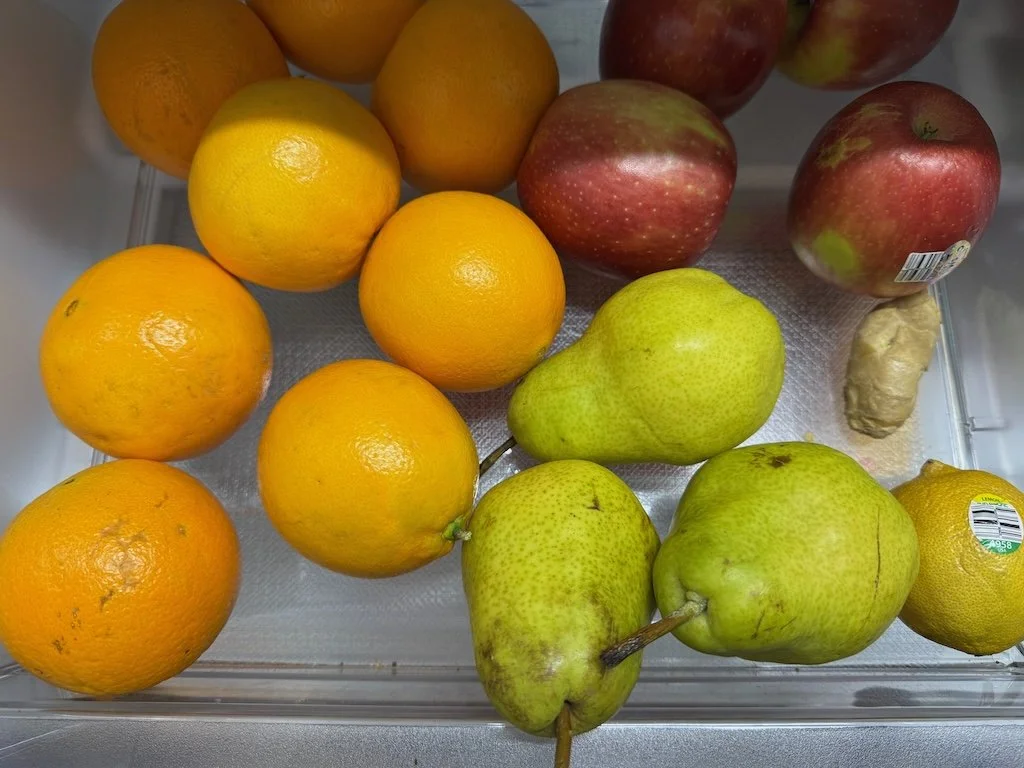
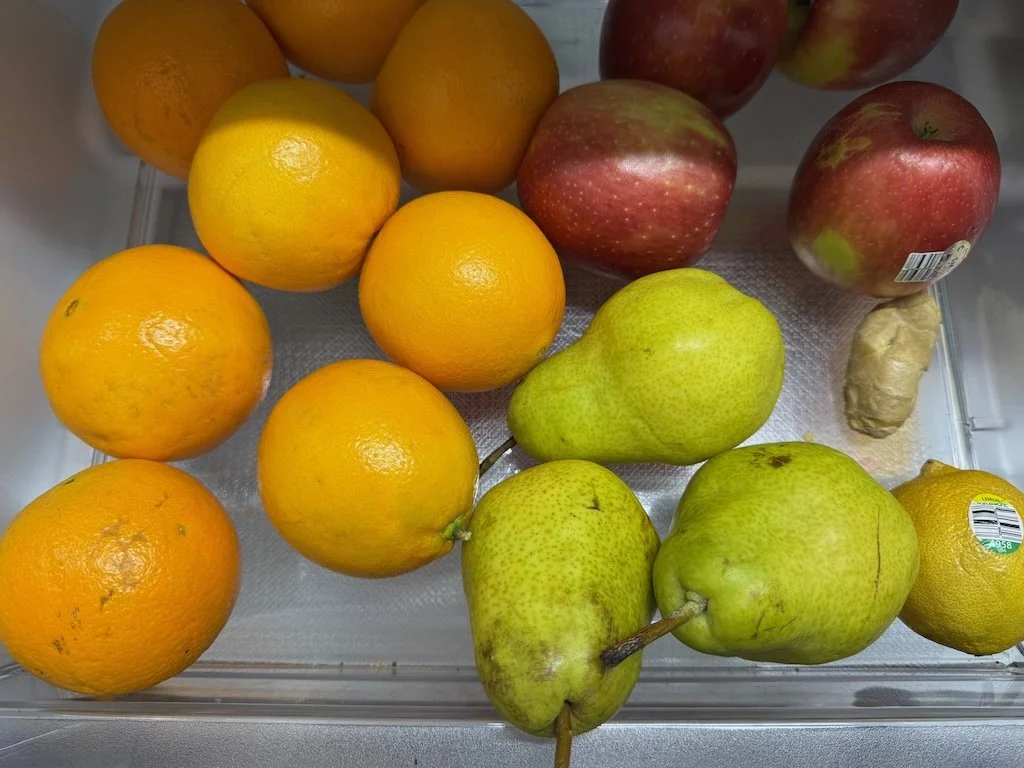
I am buying fruits and veggies that are not packaged when I can - which means that I don’t buy arugula like before. I skew toward cabbage and squash and peppers and cucumbers and broccoli. In the summer I’ll eat violet leaves from my yard! The apples and pears and lemons I buy are not packaged; I do buy organic oranges in a mesh bag because that is the only way they come (and I give my daughter half of them). I take them out of the packaging as soon as I get them home.

In summary – I’ve made some investments (Rorra, glass containers, tea kettle, humidifier, a ladle to replace a plastic one) that are working well for us. They were not too expensive, and they will last a long time. On a week-to-week basis – costs have probably gone down buy a little – no plastic water bottles of water, body wash, or hand soap…and less soft drinks overall.

Gleanings of the Week Ending January 17, 2026

The items below were ‘the cream’ of the articles and websites I found this past week. Click on the light green text to look at the article.

12/28/2025 SciTechDaily Microplastics Burrow into Blood Vessels and Fuel Heart Disease - New research led by biomedical scientists at the University of California, Riverside suggests that routine contact with microplastics — tiny particles released from packaging, clothing, and many plastic products — may speed up atherosclerosis, a condition in which arteries become clogged and can lead to heart attacks and strokes. The team studied LDLR-deficient mice, which are genetically prone to developing atherosclerosis. Both male and female mice were fed a low-fat, low-cholesterol diet comparable to what a lean and healthy person might consume. Over a nine-week period, the mice received daily doses of microplastics (10 milligrams per kilogram of body weight). These exposure levels were chosen to reflect amounts considered environmentally relevant and similar to what humans could encounter through contaminated food and water.

1/1/2026 ScienceDaily This 100-year-old teaching method is beating modern preschools - Public Montessori preschool students enter kindergarten with stronger reading, memory, and executive function skills than their peers. These gains don’t fade — they grow over time, bucking a long-standing trend in early education research. Even better, Montessori programs cost about $13,000 less per child than traditional preschool. (My daughter went to a private Montessori school for preschool-kindergarten…she enjoyed it and did very well in her subsequent education/career so I am not surprised by the results of this national trial.)

12/31/2025 Archaeology Magazine Bones of Chaco Canyon’s Imported Parrots Reexamined – A reexamination of more than 2,400 parrot bones unearthed at Chaco Canyon suggests that most of the macaws and parrots that were kept by ancient Puebloans were likely restricted to the large, multistory buildings known as great houses, where they lived in heated rooms with plastered walls.

12/31/2025 ScienceDaily Microplastics are leaking invisible chemical clouds into water - Microplastics in rivers, lakes, and oceans aren’t just drifting debris—they’re constantly leaking invisible clouds of chemicals into the water. New research shows that sunlight drives this process, causing different plastics to release distinct and evolving mixtures of dissolved organic compounds as they weather. These chemical plumes are surprisingly complex, often richer and more biologically active than natural organic matter, and include additives, broken polymer fragments, and oxidized molecules. Understanding how these chemicals evolve across different stages of plastic breakdown will be essential for assessing their long-term environmental impact.

1/2/2026 National Parks Traveler A Day in the Park: Assateague Island National Seashore – This was a great get away from where we lived in Maryland until recently. We’d cross the Bay Bridge, visit Blackwater National Wildlife Refuge and then be at Chincoteague and Assateague Island National Seashore after that.

1/2/2026 The New York Times A Study Is Retracted, Renewing Concerns About the Weedkiller Roundup - In 2000, a landmark study claimed to set the record straight on glyphosate, a contentious weedkiller used on hundreds of millions of acres of farmland. The paper found that the chemical, the active ingredient in Roundup, wasn’t a human health risk despite evidence of a cancer link. Last month, the study was retracted by the scientific journal that published it a quarter century ago, setting off a crisis of confidence in the science behind a weedkiller that has become the backbone of American food production.

1/2/2026 Smithsonian Magazine When the Bayeaux Tapestry Makes its Historic Return to England - Created in the 11th century, the delicate, 230-foot-long embroidered textile has been in France since 1077.

12/30/2025 YaleEnvironment360 2025 Was Another Exceptionally Hot Year - 2025 was the second hottest on record, surpassed only by 2024. It continues a recent trend of exceptional, unexplained warming. The last three years have been, by a wide margin, the hottest ever recorded. The recent jump in warming, which exceeded the predictions of climate models.

12/21/2025 My Modern Met Photographer Explores the Rich Complexity of Africa’s Great Rift – Photography of a place --- and an interview with the photographer.

12/17/2025 Washington Post These kitchen items may be contaminating your food with chemicals - Plastic ushered in a new era of convenience and filled homes with cheap, disposable goods. But it also has exposed ordinary people to tens of thousands of chemicals that slip out of those items into household dust, food, water — and from there, into bodies. Some of these chemicals are known to disrupt pregnancies, triggering birth defects and fertility problems later in life; others have been linked to cancer and developmental problems. “The problem is, none of the plastics that we have right now are safe,” said Wagner, of Norwegian University of Science and Technology. “That’s not a very nice thing to hear, but that’s what the data tell us.”

12/15/2025 Nature The best science images of 2025 — Nature’s picks – Educational and beautiful at the same time.

Plastics Crisis – Healthy Food in Unhealthy Packaging

Plastic dominates packing in the grocery stores – even in the produce section.

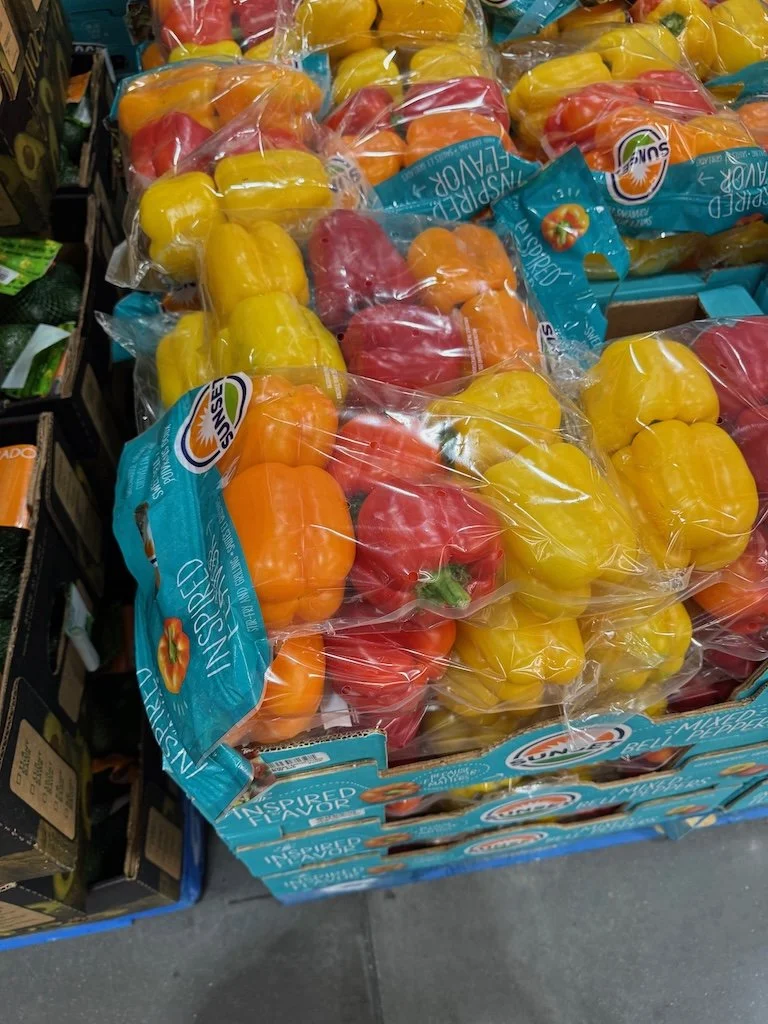
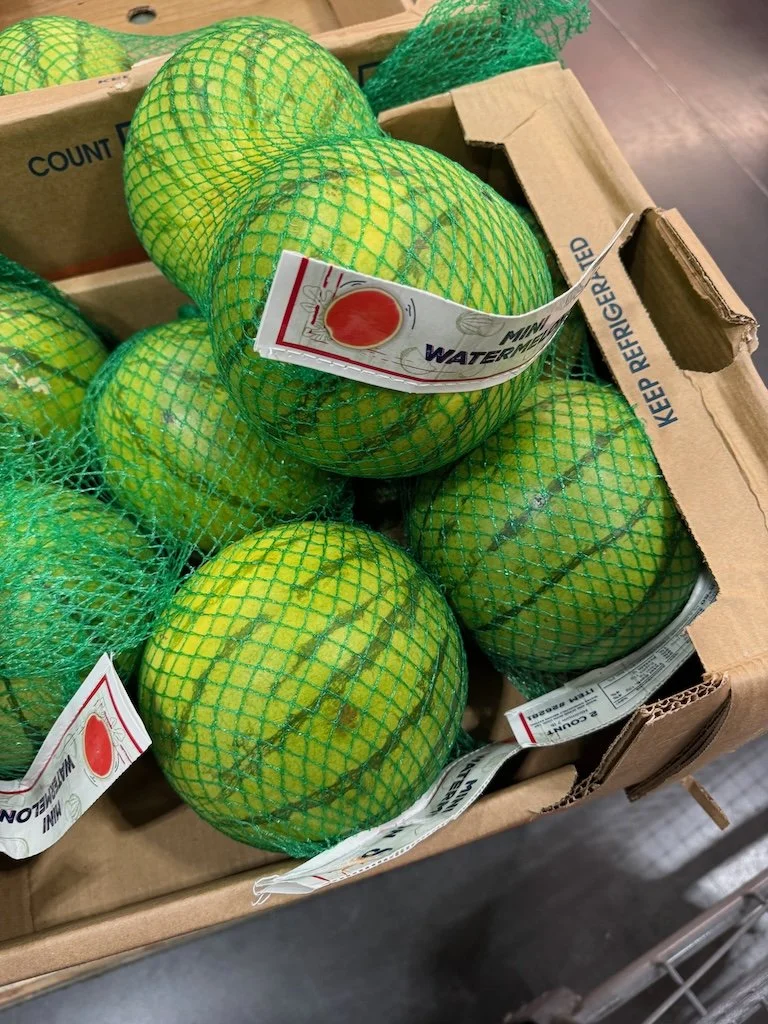
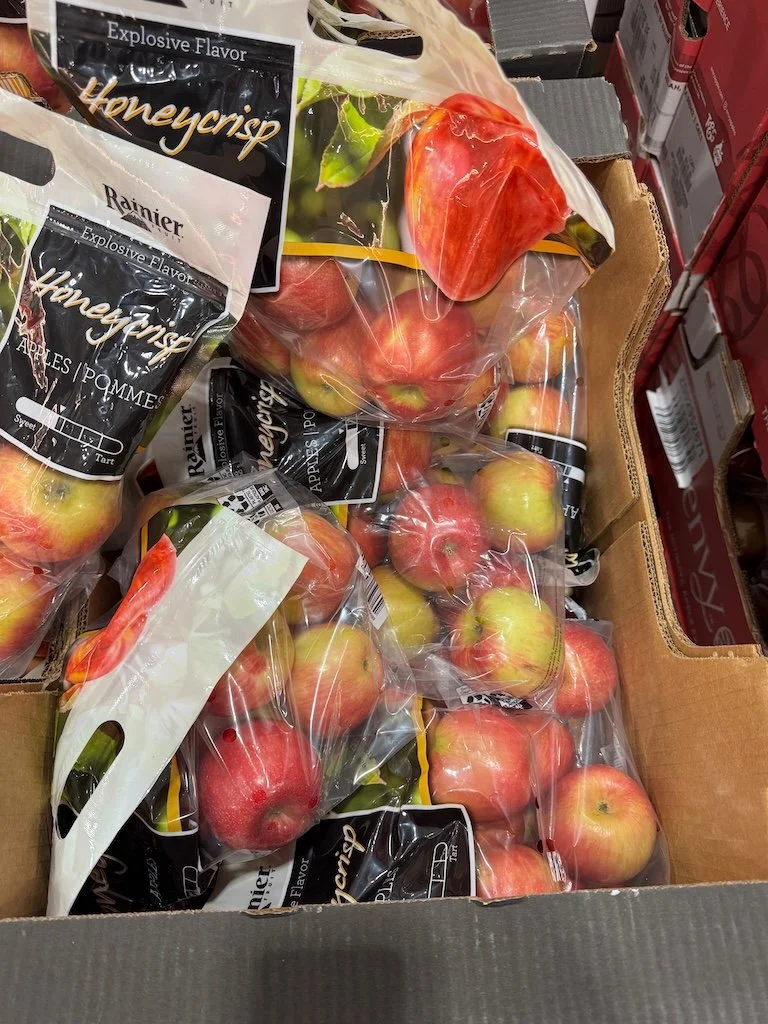
 In the store where I shop, more than half the produce items are in plastic – either clamshell (more rigid plastic) or flexible bags. Neither type of plastic is recycled effectively. It’s impossible to buy leafy greens or grapes or carrots or mushrooms, or celery or blueberries…the list goes on and on…in the store where I usually shop without the plastic! Usually there are potatoes, squash, broccoli, cabbage, kale, bell peppers, cucumbers, apples, pears, lemons, and oranges from bins where I can use my own bags or keep them unbagged…but none of them are the organic versions. I am beginning to wonder whether organic is worth it with all the plastic around those foods (and maybe used during production to control weeds). Right now, I am skewing toward the food with the least packaging (or no packaging). If I do buy something in plastic packaging, I take it out of that packaging as soon as I get it home!

I’ve started buying eggs in a pulp paper carton (even though they are more expensive) rather than the Styrofoam cartons; not sure why the producers are using Styrofoam since it isn’t a healthy material and does not protect the eggs from breakage very well either.

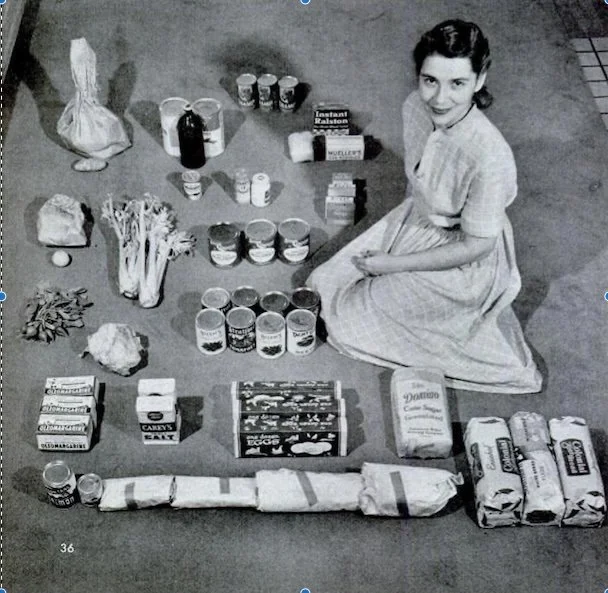
The picture below is from Life Magazine from November 10, 1947. The groceries in the picture fed a family of 4 (parents and 4-year-old twins) plus their cat. There might not be any plastic in the picture! The meat and bread appear to the wrapped in paper. The eggs are in boxes and there are canned goods. There isn’t much produce (celery, lettuce, radishes, onions, potatoes); the potatoes and onions are in paper bags and the rest is unwrapped.

I’m not advocating reverting to the 1940s – but we should revie the history of food packaging now that we are understanding the downsides of its single-use design that results in environmental contamination. No one wants to be full of plastic and the associated health challenges.

Gleanings of the Week Ending January 03, 2026

The items below were ‘the cream’ of the articles and websites I found this past week. Click on the light green text to look at the article. (Note: I have changed the format to include the date and source of the article.)

9/15/2025 NIH National Library of Medicine Microplastics in Drinking Water: A Review of Sources, Removal, Detection, Occurrence, and Potential Risks - Microplastics in drinking water systems exhibit multi-source input characteristics, originating from environmental infiltration into water sources; leaching from materials in water distribution systems; migration from bottled water packaging interfaces; and re-release during water treatment processes. The potential hazards of MPs remain a critical concern. Future work needs to integrate research from environmental science, toxicology, and public health to clarify the dose–effect relationships of MPs, improve risk assessment systems, and promote technological innovation and policy regulation to effectively ensure drinking water safety and public health.

12/21/2025 Plantizen Winter Road Salt is Making Waterways Toxic to Wildlife - Salt used to keep roadways free of ice and snow is accumulating in waterways, causing dangerously high salinity levels in water bodies in Pennsylvania, New Jersey, and Delaware - well above the healthy accepted drinking water standard for people on a low-salt diet.

12/22/2025 ScienceDaily This fish-inspired filter removes over 99% of microplastics - Washing machines release massive amounts of microplastics into the environment, mostly from worn clothing fibers. Researchers have developed a new, fish-inspired filter that removes over 99% of these particles without clogging. The design mimics the funnel-shaped gill system used by filter-feeding fish, allowing fibers to roll away instead of blocking the filter. The low-cost, patent-pending solution could soon be built directly into future washing machines.

12/24/2025 The Prairie Ecologist Photos of the Year – From Chris Helzer: “Well, we’ve almost made it through 2025. To say it has been an eventful year seems like a massive understatement. As I’m sure is true for many of you, I tried to manage stress and anxiety by spending time in nature – exploring with curiosity and wonder and giving myself a break from the rest of the world for a little while. It helped.”

12/24/2025 ScienceDaily Scientists reverse Alzheimer’s in mice and restore memory - The damaged brain can, under some conditions, repair itself and regain function. )ne drug-based way to accomplish this in animal models in the study, and also identified candidate proteins in the human AD brain that may relate to the ability to reverse AD and opens the door to additional studies and eventual testing in people. The technology is currently being commercialized by Glengary Brain Health, a Cleveland-based company.

12/22/2025 The Conversation Everyday chemicals, global consequences: How disinfectants contribute to antimicrobial resistance - During the COVID-19 pandemic, disinfectants became our shield. Hand sanitizers, disinfectant wipes and antimicrobial sprays became part of daily life. They made us feel safe. Today, they are still everywhere: in homes, hospitals and public spaces. But….The chemicals we trust to protect us may also inadvertently help microbes evolve resistance and protect themselves against antibiotics.

10/14/2025 All about Vision How microplastics affect your eyes, and what you can do - Microplastics don't go away. They just get smaller and smaller over time. They can come from everyday things like bottles, tires, fabrics and personal care products. Studies have found microplastics on and even inside people's eyes.

12/25/2025 BBC The best nature photography of 2025 - From the depths of the oceans to deserts, mountains and the remote Amazon, this year's most extraordinary nature photography brings us glimpses of the diversity and awe of the natural world. This year we meet acrobatic gorillas, maritime lions and grinning bears. 

12/22/2025 Smithsonian Magazine This Mama Polar Bear Adopted a Young Cub - The bears need all the help they can get these days with climate change. If females have the opportunity to pick up another cub and care for it and successfully wean it, it’s a good thing for bears in Churchill.

12/19/2026 Artnet Inside the 6,000-Year-Old Underground Temple Where the Walls Literally Sing - Ħal Saflieni Hypogeum, an ancient, underground burial complex on the Mediterranean island of Malta. Built around 4,000 B.C.E. this subterranean burial ground amplifies sound at a soothing frequency.

Gleanings of the Week Ending December 27, 2025

The items below were ‘the cream’ of the articles and websites I found this past week. Click on the light green text to look at the article. (Note: I have changed the format to include the date and source of the article.)

12/4/2025 American College of Emergency Physicians Opinion: Physicians Must Reduce Plastic Waste - Waste audits in the emergency departments (EDs) of Kent Hospital in Warwick, Rhode Island, and Mass General Hospital in Boston found that four pounds of waste is generated per patient, per encounter, and about 60 percent of the waste is plastic…. If we consider our plastic footprint with everything we are doing, we can adjust our habits to give our patients and our world healthier care.

11/19/2025 Consumer Reports Consumer Reports announces winners of its Microplastics Detection Challenge - Contest challenged participants to develop simple and inexpensive at-home tests to enable people to detect microplastics in their food. 

12/12/2025 Yale Environment 360 Dozens of Countries See Their Economy Grow as Emissions Fall - Historically, more industry meant burning more fossil fuels. But renewable energy has made it possible to generate more wealth without producing more emissions. The U.S. and most of Europe, have completely decoupled growth from emissions over the last decade. Fortunes rose, while emissions fell. Together, these countries account for 46 percent of the global economy.

12/12/2025 Science Daily Scientists find dark chocolate ingredient that slows aging - Scientists have uncovered a surprising link between dark chocolate and slower aging. A natural cocoa compound called theobromine was found in higher levels among people who appeared biologically younger than their real age.

12/11/2025 Clean Technica Drones, Diesel, & Policy: Two Countries, Two Agricultural Futures - China’s rapid adoption of agricultural drones is one of the most interesting examples of technological divergence between two major food producers. The contrast is striking. Chinese pilots are now treating an amount of land with drones each year that is larger than the total farmland base, which means multiple drone passes on the same fields to handle weeds, pests, fertilizer and sometimes seeding. At the same time, the United States is advancing a policy coalition that targets DJI with composite national security concerns and proposes to ban the most widely used spray drones in the country. This fight matters because the ban would remove the only cost effective and widely deployed option for seeding and spraying. It would also shut down a path for lower diesel use and lower chemical demand in a sector that does not have many easy ways to cut operating costs.

12/11/2025 Smithsonian Magazine Gas Stoves Are Poisoning Americans by Releasing Toxic Fumes Associated with Asthma and Lung Cancer - A new study, published this month in the journal PNAS Nexus, suggests that gas stoves are the main source of indoor nitrogen dioxide pollution in the United States, responsible for more than half of some Americans’ total exposure to the gas. The gas can irritate airways and worsen or even contribute to the development of respiratory diseases like asthma. Children and older individuals are particularly susceptible to its effects.

12/7/2025 Cool Green Science Family, Survival and Change: The Secret Life of the Red-cockaded Woodpecker - In the heart of the longleaf pine forests of the southern United States, a quiet drama plays out each spring. Inside tiny nest cavities high into pines, red-cockaded woodpecker (RCW) parents work tirelessly to feed their chicks. They live in family groups where everyone, even older offspring, helps care for the young. That’s what makes them special; they’re cooperative breeders, families bound not just by instinct, but by teamwork. These woodpeckers remind us that recovery isn’t just about numbers. It’s about understanding the subtle, interconnected forces that make life possible in the first place. 

11/30/2025 The Conversation 56 million years ago, the Earth suddenly heated up – and many plants stopped working properly - Plants can help regulate the climate through a process known as carbon sequestration. However, abrupt global warming may temporarily impact this regulating function. What happened on Earth 56 million years ago highlights the need to understand biological systems’ capacity to keep pace with rapid climate changes and maintain efficient carbon sequestration.

12/8/2025 The Planetary Society The year in pictures 2025 - This collection of images, going as far back as late November 2024, captures some of the highlights of humanity’s exploration of space over the past year.

11/6/2025 The Scientist What Happens When a Fly Lands on Your Food? - How many microbes does a single fly typically carry? How many microbes does it take to get people sick?

Plastics Crisis – Rorra Countertop Water Filtration System

After reading a lot about municipal water quality, I realized that the water filtration I have been using the past few years (Brita Elite) was not good enough. Yes, the filters claimed to remove some microplastics (I guess they would be considered ‘Particulates (Class 1)’, but I was unclear what testing had been done on the filter). Then there were the issues of the filter housing (plastic) and the pitcher it was installed in (plastic). I started looking for possible upgrades.

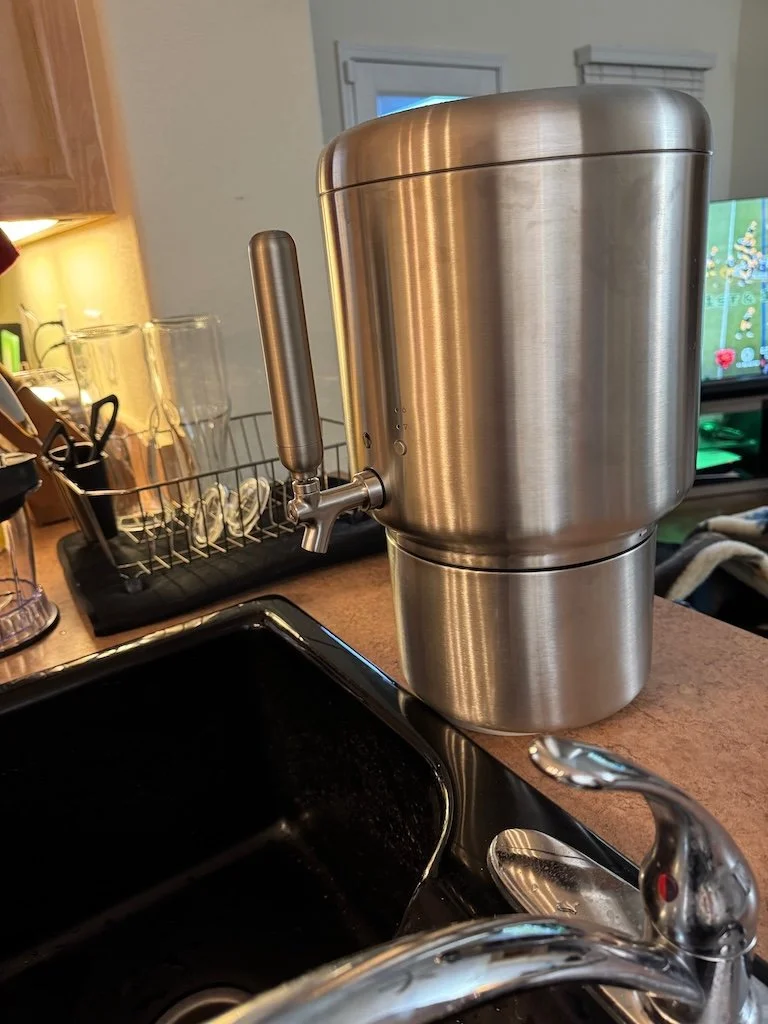
I opted to replace my Brita pitchers with a Rorra Countertop Water Filtration System. It is a 2.5-gallon countertop unit that has stainless-steel parts. I bought the unit along with a filter subscription since it will probably need a new filter every 90 days. The company has results from NSF and NSF/ANSI accredited testing showing that system reduces over 50+ contaminants including Total PFAS, Lead, Microplastics, and Estrone. It is engineered and manufactured in the US.

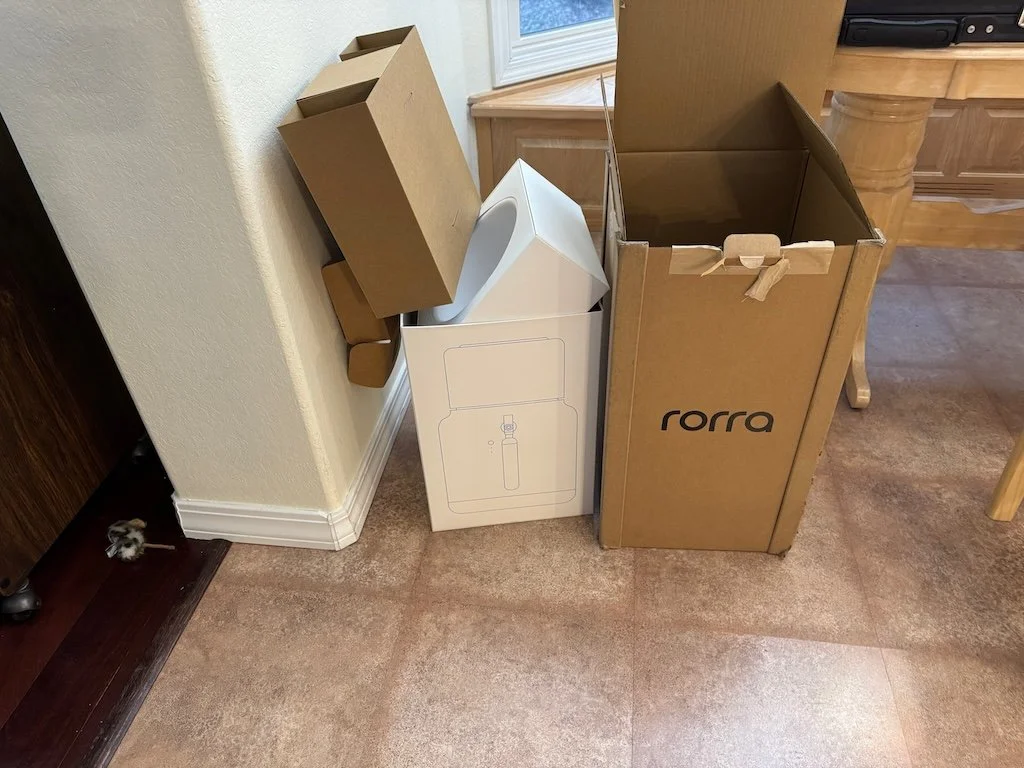
The set up was relatively easy once I got it out of the box! There were an outer box and several inner boxes. I am still working to segregate the recyclable parts from the (relatively small) amount that is not cardboard. They recommended washing all the parts with soapy water which was a little daunting because of the size (like a large mixing bowl). I had to watch the video a couple of times about how to get the filter in properly but – in the end – it was easy.

I have enjoyed the Rorra so far although I am thinking about moving it to another location around the sink, so I don’t have to reach all the way over the sink to fill it from the top. I have carafes that I am using to put water in the refrigerator and to carry downstairs for use for tea in my office. I also use the carafes to fill the reservoir as needed. The spigot is very convenient!

Looking back, I am glad I started filtering our drinking water several years ago. The water supply to our house is from our municipality and it is hard to address the potential of plastic water pipes in our city, community, and house (they probably would shed more microplastics they older they are)…or the microplastics that come from the source of water to our city (wells). Now – with the Rorra – we are upgrading that filtering. It is an investment for our long-term health – not eliminating microplastics (since there are so many other sources of microplastics in our environment) but a dramatic reduction in this one source is a good thing.

Gleanings of the Week Ending December 20, 2025

The items below were ‘the cream’ of the articles and websites I found this past week. Click on the light green text to look at the article. (Note: I have changed the format to include the date and source of the article.)

11/30/2025 NPR  More cities are seeing PFAS pollution in drinking water. Here's what Louisville found - What we do is manage risk, and we start that at the river. It sounds weird, but source water protection – keeping the stuff out of the river – is a big deal.

11/25/2025 Artnet Radiant Tiffany Landscape Window Leads Major Auction of the Studio’s Masterpieces – Beautiful glass…there are some coming to auction in December. I enjoyed the pictures in the article.

12/2/2025 Washington Post ‘Everywhere chemicals’ are in our food, decades after scientists recognized dangers - A large body of science has linked phthalates to a variety of serious health conditions, including premature birth and infertility. The costs to society are huge. A 2024 NYU-led study that catalogued health effects from phthalates exposure in the United States — including contributions to diabetes levels and infertility — estimated that dealing with phthalate-related diseases cost $66.7 billion in a single year. Previous Washington Post article on phthalates from last September: The health risks from plastics almost nobody knows about.

12/2/2025 Science Daily Is your gut being poisoned? Scientists reveal the hidden impact of everyday chemicals - Many chemicals designed to act only on one type of target, say insects or fungi, also affect gut bacteria. Some of these chemicals had strong effects. For example, many industrial chemicals like flame retardants and plasticizers -- that we are regularly in contact with -- weren't thought to affect living organisms at all, but they do.

12/7/2025 Clean Technica Your Single-Use Plastic Bottles Are Killing Endangered Sea Turtles - A recent study published in Proceedings of the National Academy of Sciences concludes that plastic ingestion has been documented in nearly 1,300 marine species, including every seabird family, marine mammal family, and sea turtle species. Researchers analyzed data from more than 10,000 autopsies from marine creatures killed by ingesting plastic; they calculated amounts consistent with a 90% likelihood of death:

  • 23 pieces (0.098 cm3/cm) in seabirds;

  • 29 pieces (39.89 cm3/cm) in marine mammals: and,

  • 405 pieces (5.52 cm3/cm) in sea turtles (377 for juveniles).

12/2025 Greenpeace Plastic Merchants of Myth: Circular Claims Fall - After decades of meager investments accompanied by misleading claims and a very well-funded industry public relations campaign aimed at persuading people that recycling can make plastic use sustainable, plastic recycling remains a failed enterprise that is economically and technically unviable and environmentally unjustifiable. (Press release for the document)

12/8/2025 The Conversation PFAS in pregnant women’s drinking water puts their babies at higher risk – Data on all births in New Hampshire from 2010-2019 were analyzed. The 11.5 thousand births that occurred within 3.1 miles of a site known to be contaminated with PFAS and where mothers were served by public water system (well based) were selected for further analysis. PFAS was greater in the water system wells downstream from the site. Births in the area served by wells downstream were 43% more likely to be low-weigh (under 5.5 pounds), 20% greater chance of preterm birth, and 191% greater chance of the infant not surviving its first year. Research was done at University of Arizona.

12/8/2025 Science Daily Humans are built for nature not modern life - Human biology evolved for a world of movement, nature, and short bursts of stress—not the constant pressure of modern life. Industrial environments overstimulate our stress systems and erode both health and reproduction. Evidence ranging from global fertility declines to chronic inflammatory diseases shows the toll of this mismatch.

12/7/2025 Clean Technica The Floating Solar Revolution - Despite this year’s sharp U-turn in federal energy policy, the renewable energy transition continues to branch out in new directions. One emerging factor is the relatively new area of floating solar. The field has already begun to scale up in some regions around the world, and innovative solar firms are carving out new opportunities here in the US as well.

12/7/2025 Science Daily New moonquake discovery could change NASA’s Moon plan - Scientists have discovered that moonquakes, not meteoroids, are responsible for shifting terrain near the Apollo 17 landing site. Their analysis points to a still-active fault that has been generating quakes for millions of years. While the danger to short missions is low, long-term lunar bases could face increasing risk. The findings urge future planners to avoid building near scarps and to prioritize new seismic instruments.

Gleanings of the Week Ending December 13, 2025

The items below were ‘the cream’ of the articles and websites I found this past week. Click on the light green text to look at the article.

How extreme weather is making plastic pollution more mobile, more persistent and more hazardous - Rising temperatures, humidity and sunlight break plastic down, making it brittle and cracked, accelerating its disintegration into tiny fragments. A 10-degree Celsius (18 Fahrenheit) rise in temperature during an extreme heat wave could double the rate at which plastic degrades. Extreme storms, flooding and wind also hasten the breakdown of plastic, mobilize it and spread it more widely. Flooding can also help forge “plastic rocks,” created when rocks and plastics form a chemical bond and merge together. These become hotspots for microplastic generation. Wildfires release microplastics and highly toxic compounds into the atmosphere. Global annual production of plastic increased 200-fold between 1950 and 2023 and is predicted to keep increasing as the world moves toward clean energy and oil companies shift investments to plastics.

YMCA: The Swan Song of SROs and the Birth of Modern Homelessness - Single room occupancy hotels played a central role in America’s affordable housing ecosystem for decades, providing cheap, flexible accommodations without government subsidy. They are effectively large-scale boarding houses, offering small private rooms or dorm-style quarters with shared bathrooms and minimal kitchen facilities. The YMCA was the nation’s largest SRO provider, with more than 100,000 units nationwide at its peak. SROs were far from ideal, but without this form of housing or any other low-cost option, homelessness was the inevitable result. It was just as Edith Elmer Wood feared back in 1919: Housing reform had created a housing famine.

Recycling Lead-Acid Batteries Has Significant Health Risks - What happens to the old ones when they are no longer serviceable? They get melted down to recover the lead in them, which can then be used to make new batteries. In the US, that work often gets outsourced to other countries. It’s a patchwork of shoddy factories in places like Ghana, Nigeria and Tanzania providing more lead for new car batteries….and where people die from lead poisoning. Car companies look the other way.

More Than 1,200 Marine Animal Species Eat Plastic. Ingesting Even a Tiny Amount Can Kill Them - Data from more than 10,000 marine animal autopsies. About half of the examined sea turtles, one-third of seabirds and one in eight marine mammals had plastics in their stomachs. The study didn’t examine other ways plastics can hurt wildlife, such as strangulation, malnutrition or toxic effects. It also didn’t look at the harms of tinier pieces of plastics—microplastics—which have been found in the deep ocean and can also affect marine life. Researchers say the best way to protect wildlife from plastic is to reduce the amount of it that enters the ocean, namely through local and national policy.

The Forgotten Roman Ruins of the ‘Pompeii of the Middle East’ – Jerash – ruins near Amman, the capital of Jordan and the country’s second most popular tourist destination after Petra. After spending more than a millennium covered by sand, Jerash has reclaimed its place as a cornerstone of both Western and Middle Eastern civilization.

Just ten species make up almost half the weight of all wild mammals on Earth – Deer and boars account for almost half the biomass of wild land animals.

New research reveals what’s really hiding in bottled water - Each sip may contain invisible microplastics that can slip through the body’s defenses and lodge in vital organs. These tiny pollutants are linked to inflammation, hormonal disruption, and even neurological damage, yet remain dangerously understudied. “People need to understand that the issue is not acute toxicity -- it is chronic toxicity.”

Beavers are Dam Good for Biodiversity, Bringing Bats, Butterflies and Other Critters to Their Neighborhoods - Beavers are famous for being ecosystem engineers, capable of transforming once-dry landscapes into lush, green wetlands that support many other land- and water-dwelling species. Now, two new studies suggest these benefits also extend to creatures who spend much of their time in the air like bats and pollinator insects.

This tiny pill could change how we diagnose gut health - Tiny ingestible spheres filled with engineered bacteria can detect intestinal bleeding by glowing when they encounter heme. Early tests in mice suggest they could become a quick, noninvasive way to monitor gut disease. The work was done by the NSF of China and other sources in China. Will China now dominate this type of research with the funding cuts in the US?

Meet the 7 Swans a-Swimming – There are 7 swan species in the world…which fits very well with The Twelve Days of Christmas.

Plastics Crisis – Black Friday Purchases

I did my black Friday shopping online this year…and it all involved reducing plastic at my house!

I bought three stainless steel mixing bowls with handles (replacing plastic mixing bowls), a shampoo bar (to replace plastic bottles of shampoo), and replacement filters for my air purifiers that I have in my office and bedroom (get microplastics out of the air).

Those purchases were small compared to the Rorra Countertop System for water filtration. I have been using a Brita Elite filtration system for the past few years, but the filter housing and the pitcher is plastic, and I was never quite sure how much of the microplastics/‘forever’ chemicals the filter removed; I did discover that I like drinking filtered water all the time…I can taste the difference. The testing for the Rorra is impressive and I am looking forward to having it on my countertop and not lifting any big pitcher; I can use the sprayer at my sink to get the water into the system to be filtered.

…Now to take the boxes of plastic stuff to Goodwill. I feel a little guilty because I really don’t want this plastic around at all – but maybe it is better to not send it to the landfill.

Gleanings of the Week Ending November 29, 2025

The items below were ‘the cream’ of the articles and websites I found this past week. Click on the light green text to look at the article.

Everyday microplastics could be fueling heart disease - Microplastics—tiny particles now found in food, water, air, and even human tissues—may directly accelerate artery-clogging disease, and new research shows the danger may be far greater for males.

The Mystery of the Mast Year - Every few years, certain species of trees seem to go buck wild, dropping an extraordinary quantity of nuts, seeds, or fruits all at once. What’s more, this bumper crop tends to extend across vast geographical ranges, so that a white oak in Central Park is shedding buckets of acorns at the same time as a white oak in the Shenandoah Valley. Not all trees mast, but many species dominant in American forests do, such as oak, hickory, beech, and dogwood.

Ultra-processed foods quietly push young adults toward prediabetes - More than half of the calories people consume in the United States come from ultra-processed foods (UPFs), which include items such as fast food and packaged snacks that tend to contain large amounts of sodium, added sugars and unhealthy fats.

Why Should We Avoid Heating Plastic? - When plastic is heated, its molecules will move around more freely and the whole structure will become less rigid. This makes it easier for those additives to detach and migrate into nearby foods or liquids. To reduce your exposure, heat food in containers made of inert materials like ceramic or glass, avoid storing hot, fatty, or acidic food in plastic, and try to shorten the storage time of all food and beverages in plastic containers.

'They're just so much further ahead': How China won the world's EV battery race - In 2005, China only had two EV battery manufacturers. Twenty years later, it produces more than three-quarters of the world's lithium-ion cells. Today, China dominates the production at every stage of the battery supply chain, apart from the mining and processing of some raw minerals.

Obesity-Related Cancers Are Rising in Young and Old - Six of cancers—leukemia, thyroid, breast, colorectal, kidney, and endometrial—increased in prevalence in young adults in at least 75 percent of the examined countries. However, five of these six cancers also showed increased prevalence in older adults. Colorectal cancer was the exception. The cancer types with increased incidence in both younger and older adults were all linked to obesity.

Growth of Wind and Solar Keeping Fossil Power in Check - This year it is projected that new wind and solar power will more than meet growing demand for electricity globally, keeping fossil fuel consumption flat. However, while the world is beginning to keep emissions from power plants in check, overall emissions continue to tick up, rising by 1.1 percent this year.

Researchers Discover ‘Death Ball’ Sponge and Dozens of Other Bizarre Deep-Sea Creatures in the Southern Ocean - Researchers have discovered 30 previously unknown deep-sea species in the remote ocean surrounding Antarctica - an achievement highlighting just how little humanity knows about some of the deepest regions of the planet. Fewer than 30 percent of the expedition’s samples have been assessed thus far so there could be more discoveries to report soon.

Short-Chain PFAS Eclipse Their Longer Counterparts in Blood Serum - The conventional wisdom is that short-chain PFAS are of lesser concern because they don’t bioaccumulate, but what we’re seeing is that they can occur at high levels in people. A new study shows that young adults who ate more UPFs also showed signs of insulin resistance, a condition in which the body becomes less efficient at using insulin to manage blood sugar.

Get Up Close with Alabama’s Rivers – Mac Stone photographing Alabama’s waterways…places full of biodiversity. The post includes pictures: southern dusky salamander, pitcher plant blooms, alligator snapping turtles, swamp lily, brown pelican.

Gleanings of the Week Ending November 15, 2025

The items below were ‘the cream’ of the articles and websites I found this past week. Click on the light green text to look at the article.

Inflammation Starts Long Before the Pain in Rheumatoid Arthritis - Millions of people around the world suffer from rheumatoid arthritis, an autoimmune disorder that causes debilitating joint swelling and pain. New research reveals more early biomarkers for rheumatoid arthritis which may lead to ways to prevent, rather than treat, the disease.

Bottled Water is a Major Source of Microplastics - Nano- and microplastics have been linked in studies to inflammation, immune dysregulation, cardiac events, and metabolic disruptions. Though human data are still emerging, evidence also suggests a connection to respiratory disease, reproductive issues, and even neurotoxicity. 

Traces of Opium Detected on Egyptian Alabastron - Traces of opium have been detected in an ancient Egyptian alabaster vase held in Yale University’s Peabody Museum. It had been previously suggested that such vases held perfumes or cosmetics for royal elites.

Gum disease may quietly damage the brain - Researchers observed that participants with gum disease had significantly more white matter hyperintensities, even after accounting for other risk factors. The findings hint that chronic oral inflammation could subtly impact the brain, especially in older adults.

6 Best Non-Toxic Lunch Boxes That Don’t Shed Microplastics – I am using my glass left-over containers….but I don’t need to carry my lunch every day!

How Air Pollution is Aging People Faster - Long considered mainly a threat to the lungs and heart, air pollution is now emerging as a driver of biological aging at the molecular level. With air pollution’s role in accelerating aging, researchers are exploring interventions ranging from reducing emissions to using protective measures. Alongside identifying the effects of different pollutants, scientists are now investigating the biological mechanisms through which air pollution accelerates aging.

Domestic Solar Manufacturing Booms During Trump Administration with Entire Solar Supply Chain Reshored - New data from the Solar Energy Industries Association (SEIA) shows that the entire solar supply chain has been reshored and U.S. manufacturing capacity has grown across every segment of the solar and storage supply chain. With the news of Hemlock’s new ingot and wafer facility coming online in Q3, the United States now has the capacity to produce every major component of the solar supply chain.

Covid 2020: Where cruise ships went to die - Aliağa Ship Breaking Yard in Turkey is the fourth-largest facility in the world for breaking down large ships, and as the effect of cancelled cruises began to bite, it's where many of the cruise companies sent their huge ships to die.

China Has Added Forest the Size of Texas Since 1990 - In many wealthy nations — the U.S., Canada, Russia, and much of Europe — forests are making a comeback, according to the U.N. assessment. As India and China become more developed, they too are seeing forests return. Even as fires and drought destroy some forest, on balance, these countries are adding trees. Over the last three and a half decades China has planted roughly 120 million acres of forest, according to U.N. figures, much of it added to contain the spread of deserts.

How Do Cadaver Dogs Recognize Human Remains? - Someday scientists will understand how cadaver-associated molecules bind to receptors in dog noses and how this binding, in turn, affects the molecules’ structure and chemistry. Knowing the exact stimuli that cadaver dogs pick up may also advance researchers’ efforts in building “electronic noses.” These chemical sensors are not meant to replace cadaver dogs but rather as stand-ins that could go to places that are inaccessible or too dangerous for dogs.

Gleanings of the Week Ending November 1, 2025

The items below were ‘the cream’ of the articles and websites I found this past week. Click on the light green text to look at the article.

7 Foods and Beverages That Have the Most Microplastics (and What to Eat Instead) – A list and a short video. I found myself wondering if we can really avoid the microplastics in apples and carrots…since some of them are from soil/water rather than packaging. There might not be a good choice out there since microplastic is everywhere.

Microplastics are everywhere. You can do one simple thing to avoid them. – Avoid heating plastic (in the microwave…by pouring hot drinks into it…washing synthetic fabrics in hot water…drying synthetic fabrics in high heat).

Bat: It’s What’s for Dinner – The bat predators might surprise you!

This experimental “super vaccine” stopped cancer cold in the lab - A groundbreaking nanoparticle-based cancer vaccine that prevented melanoma, pancreatic, and triple-negative breast cancers in mice—with up to 88% remaining tumor-free. The researchers envision that this platform can be applied to create both therapeutic and preventative regimens, particularly for individuals at high risk for cancer.

World Reaches a Climate ‘Tipping Point,’ Imperiling Coral Reefs - Scientists say that warming has breached a critical threshold for tropical coral reefs, which are expected to see catastrophic losses in the years ahead. The loss of reefs would have ramifications for the hundreds of millions of people worldwide who depend on them for food or income.

The liquid air alternative to fossil fuels - An overlooked technology for nearly 50 years, the first liquid air energy storage facility is finally set to power up in 2026. It's hoping to compete with grid-scale lithium batteries and hydro to store clean power and reduce the need to fall back on fossil fuels. The process works in three stages. First, air is taken in from the surroundings and cleaned. Second, the air is repeatedly compressed until it is at very high pressure. Third, the air is cooled until it becomes liquid, using a multi-stream heat exchanger: a device that includes multiple channels and tubes carrying substances at different temperatures, allowing heat to be transferred between them in a controlled way. When the grid needs extra energy, the liquid air is put to work. It is pumped out of storage and evaporated, becoming a gas again. It is then used to drive turbines, generating electricity for the grid. Afterwards, the air is released back into the atmosphere.

China’s Electric Highways: Awe, Engineering, and the Myths of Invisible Danger - China has built hundreds of thousands of kilometers of high-voltage corridors, connecting wind, solar, hydro, and coal resources spread across a continent-sized nation.

U.S. Whale Entanglements Are on the Rise, New Data Shows - The number of large whales that became entangled in fishing gear along coasts in the United States rose sharply in 2024. Officials were able to trace roughly half of the 2024 cases to specific commercial and recreational fisheries. The other cases involved gear that could not be directly linked to a specific source. Whale entanglements were documented off the coasts of 12 states, but 71 percent of cases occurred off California, Massachusetts, Alaska and Hawaii. A quarter of all entanglements took place off California, primarily in Monterey Bay.

The Erie Canal Turns 200 - Cutting 363 miles (584 kilometers) across the state of New York, the Erie Canal was the engineering marvel of its day when it opened in 1825. The waterway was built over 8 years through the toil of humans and animals, new tools and techniques, and plenty of ingenuity. It established a navigable route from Lake Erie to the Hudson River, forming a vital connection between the U.S. Midwest and the Atlantic Ocean. Commercial traffic on New York’s canals plummeted when ocean-going vessels could travel between the Great Lakes and the Atlantic Ocean via the St. Lawrence Seaway starting in the late 1950s. Two hundred years after the Erie Canal officially opened on October 26, 1825, it still handles a small amount of commercial shipping, but recreational boaters are its primary users.

How to Photograph Flat Prairies – Lots of ideas for photography on prairies!

Intimate Portraits of the Nenets Capture the Faces of Indigenous People in the Russian Arctic - Herders still live in chums and migrate several times a year with their reindeer. And yet they aren’t outside the modern world. Education is universal, snowmobiles are common, and some even post parts of their daily life on social media. Meanwhile, the region is developing fast thanks to its vast natural gas reserves.

Plastics Crisis – Miscellaneous thoughts

There is a lot about microplastics in the news; I’ve added some of the articles to my Gleanings posts. Microplastics are an overwhelming challenge to every living thing…and thus an overwhelming challenge to us. It is hard to find truly effective means to do something about them – to reduce their prevalence in our lives and in our broader environment. The actions I have taken so far seem small but maybe they are a place to start….there need to be bigger actions to make a difference. In this post I in including some of my thoughts over the past few weeks…as I search for the path beyond changes I can make to reduce microplastics (somewhat) in my own life.

  • Plastics are not part of any heritage…they are too new for that. They are damaging our environment in ways that degrades our health slowly. By the time we think of plastics as part of our heritage, it might be too late to stop our decline as a species.  

  • It is time that we realize that there is a price for plastics’ convenience in our lives that we are just now beginning to pay.

  • Hotels use plastic glasses in their rooms now….wrapped in more plastic. Not that long ago they were glass. Ice buckets are plastic and there is a plastic bag liner. We assume that the plastic makes it ‘clean’ but is that true?

  • The plastic pots the small plants were purchased in were very flimsy. They cracked as I flexed them to get the plants out as I planted the seedlings into my yard. They are another source of single use plastic.

  • Spaghetti sauce is easy to find in glass jars…unlike a lot of other foods. It seems not that long ago that it was easy to find mustard and lemon juice in glass. Not anymore.

  • Why aren’t cosmetic companies advertising products that are free of microplastics/endocrine disruptors?

  • Why aren’t retailers demanding less plastic packaging particularly when it adds little or no value. For example: multiple plastic layers around larger packages of toilet paper, the plastic insert in tissue boxes that has to be removed before the cardboard can be recycled, and the little window in paper bags of cookies that makes that bag unrecyclable.

When I bring up microplastics in conversation, everyone seems somewhat aware of the problem, and many are as alarmed as I am. At the same time, everyone seems to be anxious but doesn’t know what to do. There appears to be no leadership from any level of government. Maybe the pervasiveness of microplastics puts them into a new category of issues that our modern cultures do not know how to address…and that is resulting in no action. Climate change is another such issue and the experience to date has been frustrating to everyone. Again – the default seems to be to forge ahead toward a dystopian future because the magnitude of the issue is too overwhelming.

Previous Plastic Crisis posts

Gleanings of the Week Ending October 18, 2025

The items below were ‘the cream’ of the articles and websites I found this past week. Click on the light green text to look at the article.

ACHOO Syndrome: A Strange Reflex That Causes Sneezing in the Sun - The photic sneeze reflex—also called autosomal dominant compelling helio-ophthalmic outburst (ACHOO) syndrome - affects almost a fourth of people worldwide.

They’re smaller than dust, but crucial for Earth’s climate - Coccolithophores, tiny planktonic architects of Earth’s climate, capture carbon, produce oxygen, and leave behind geological records that chronicle our planet’s history.

An E.U. Plan to Slash Micropollutants in Wastewater Is Under Attack - Earlier this year, a European Union directive mandated advanced treatment of micropollutants in wastewater, with the cost to be borne by polluters. But the pharmaceutical and cosmetics industries, which are responsible for most of those contaminants, are now pushing back.

Researchers Crack the Lost Origins of an Ancient Egyptian Temple - In a 4,000-year-old creation myth from ancient Egypt, god manifested as high ground that rose out of watery chaos. New research suggests this myth of the primeval mound may have inspired the first temple to Amun-Ra at Karnak, a site in the religious capital of Thebes that over the course of millennia became one of Egypt’s most important complexes. Across the entire Theban area, the land on which the Amun-Ra temple was built was the only high ground permanently surrounded by water. Its connection to the creation myth would have been apparent as the Nile floodwaters rose and receded each year, creating the illusion of the mound rising out of the river.

Ancient bathhouse unearthed in Türkiye's Olympos reveals life of Byzantine bishop - The bathhouse was not only for the bishop’s private use. It had entrances both from the main street and from the house. On certain days of the week, the bishop allowed ordinary townspeople to use it free of charge, both for hygiene and for health purposes.

Hawaii Hits Milestone in Rooftop Solar - Hawaii has the highest rate of rooftop solar power adoption in the US, on a per capita basis. Rooftop solar has hit 44% penetration among single-family homes on Oahu, the state’s most populated island.

The remarkable rise of eBird – the world’s biggest citizen science project - In the month of August this year, 123,000 birders submitted 1.6 million lists of sightings. It has now hit a total of 2 billion bird observations since inception. The data is showing in sobering detail how the abundance of many species is changing, almost always downwards.

Electricity Use Is Becoming More Common for Residential Heating in USA - An increasing share of U.S. households are using electricity for heating, although natural gas remains the most common heating fuel. In 2024, 42% of U.S. households reported that electricity was their main space heating fuel, according to annual estimates from the U.S. Census Bureau’s American Community Survey. Natural gas was the main heating fuel in 47% of homes last year, a decline from 49% in 2010.

Scientists suggest the brain may work best with 7 senses, not just 5 - The memory of humans and other living beings is an enigmatic phenomenon tied to the property of consciousness, among other things. Advancing the theoretical models of memory will be instrumental to gaining new insights into the human mind and, perhaps, recreating humanlike memory in AI agents.

For the First Time, Renewables Supplying More Power Globally Than Coal - In the first half of this year, renewable energy grew faster than power demand, leading to a small drop in the consumption of coal and natural gas. In a first, renewables generated more electricity globally than coal, fulfilling a 2020 prediction by the International Energy Agency, which saw clean energy surpassing coal this year.

Gleanings of the Week Ending October 4, 2025

The items below were ‘the cream’ of the articles and websites I found this past week. Click on the light green text to look at the article.

Why Does the Immune System Struggle When the Weather Changes? - Warmer environments promote better immune responses because less energy is diverted to regulating the body’s temperature. At colder temperatures, more resources are shuttled toward homeostasis, leaving less fuel available for immune cells. The cold temperatures are anti-inflammatory. The immune response just doesn't work as well and, molecularly, the adhesive interactions don't really bind as well. Seasonal shifts also bring changes in humidity and wind, which can affect the skin and mucosal barriers, and in turn, the immune response. Drier conditions can lead to more pathogens or other irritants entering the body, driving inflammatory responses. In contrast, excessive humidity can reduce the evaporation of sweat, thus preventing the body from being able to cool itself. Cold temperatures drive people indoors, where pathogens spread more easily. Meanwhile, warm days draw individuals outside, where people can be exposed to pollutants and allergens, which can render immune responses less prepared to fight actual infections.

Toxic-Free Future 2024 Report Card – How does your grocery store rank?

Your kitchen is full of microplastics. Here's how to eat less of them – Now that I am aware of the microplastic issues…there seem to be a lot of articles on the topic. I liked this one because it pointed to some real research and there were actions one could take to reduce microplastic exposure.

What Are Microplastics Doing to Our Bodies? This Lab Is Racing to Find Out. – This article is from last April, but it provides some information about the type of research that is being conducted…trying to understand the impact of microplastics on our bodies.

Why Alaska’s salmon streams are suddenly bleeding orange - Warming Arctic permafrost is unlocking toxic metals, turning Alaska’s once-clear rivers into orange, acid-laced streams. The shift, eerily like mine pollution but entirely natural, threatens fish, ecosystems, and communities that depend on them—with no way to stop the process once it starts. (Climate change…the US denial of its existence does not stop it.)

Inouye Solar Telescope Captures Most Detailed Images Ever of Powerful Solar Flares - Scientists hope that this new imaging can lead to improvements in solar flare modeling and a better understanding of the magnetic field in the sun’s corona. But even the most casual viewer will find much to enjoy in these photos: deep-red ribbons arch and swirl across a fiery plain, with bright flares peppered throughout.

This EV Sales Chart Really Embarrasses The USA – The US has become the laggard of the world in EV sales. It does not bode well for the future of our country.

Three-Minute Take-Home Test May Identify Symptoms Linked to Alzheimer’s Disease Years Before a Traditional Diagnosis - In 2021, 57 million people across the planet were living with dementia. This class of memory-related diseases is the world’s seventh greatest killer, and Alzheimer’s disease is its most common form. In a study published this month in the journal Brain Communications, researchers say the experimental test, called the Fastball EEG, can detect Alzheimer’s significantly earlier than a traditional clinical diagnosis would. In the study, each participant put on a cap that monitored the brain’s electrical activity as they viewed a series of images on a tablet. Some of the images belonged to a set that participants were shown before the start of the test, while others were entirely new. The Fastball test is just three minutes long and passive, meaning all that is required of the patient is to watch the images—they don’t have to follow instructions or actively remember anything. The results of the at-home test are sent directly to a patient’s doctor. Hopefully - Fastball EEG can one day be used as a screening tool for patients over 55 years old, though more research is needed to identify the best time to take the test.

Harnessing the superpowers of the most resilient life form on Earth - While water bears often must cope with drying out, it's less clear why they would need to survive baking hot temperatures, being cooled to just above absolute zero, or radiation only found in outer space.

The Secrets Behind the Roman Colosseum’s Enduring Engineering - Measuring roughly 615 feet in length, 510 feet in width, and 157 feet in height, the Colosseum was the largest amphitheater anywhere in the Roman Empire. Its capacity rivals that of modern stadiums; it can seat as many as 90,000, on par with London’s Wembley Stadium. Ancient texts and archeological studies both indicate that the construction of the Colosseum, which lasted from 72 to 80 C.E., was a meticulously planned and highly coordinated affair. The Colosseum hosted not only gladiatorial games, but also animal hunts, mock naval battles, public execution of criminals, and theatrical performances. Inside, seating was divided by social class, with the emperor and senators seated in the front rows and the plebeians, or common people, farther back. Although the structure survived the test of time, the Colosseum we know today is but a shadow of its former self. During the Early Middle Ages, following the fall of the Western Empire, almost all its moveable interior furnishings, including statues, wooden scaffolding, and marble seats, were removed and sold—an unceremonious end to a monumental history.