Plastics Crisis - Textiles

There seem to be plastics everywhere. I’ve come to realize that in my home, the largest source is probably textiles! The carpets that were in the house when we purchased it a few years ago are likely all synthetic fibers (although about 1/3 of the house is tile or vinyl (plastic)). When we vacuum the particles are gray and powdery…the plastic there is already very small.

And then there are clothes. We have some clothes that are cotton or cotton/polyester (plastic)…but some items are 100% synthetic (polyester, acrylic, nylon, spandex). I don’t dry more than half my clothes that are synthetic fibers, but there are enough that the lint from the dryer should probably be considered toxic (probably should put it in a covered trash can so microplastics will not waft from it); I hope washing machine technology will eventually filter their waste water but I’m not sure how to handle what a filter would collect safely).

Back in March 2019 I posted some macro photography of textiles; I’ve copied it below with some commentary afterward.

I am finally experimenting with my 60x macro lens that I got for my phone. Textiles around the house were an easy project. The lens has a light and I found it handy. With this lens, I use the zoom on the phone to avoid clipping the image to take out the vignetting around the edges. I’d rather compose the image in the camera.

2019 01 IMG_1253.jpg
20190308_082610.jpg

I liked the simple weave and colors of the worn dishcloth.

20190314_114644.jpg

A crocheted hat had brilliant color but was not flat enough to focus well.

20190314_114655.jpg

The washcloth had more fuzzy fibers than I expected but

20190314_114829.jpg

Not nearly as many as the wool sock.

I got stuck on a tapestry jacket…had a challenge to choose just 3 to include in this post. The last one was from the inside of the jacket.

20190314_114948.jpg

The machine embroidery of a silk jacket looked very different than I anticipated.

20190314_115026.jpg

The weave of a light-weight jacket was more complex.

I realized that the patterns on t-shirts were painted – but hadn’t thought about what they would look like with the macro lens. The blobs of color stand out on the surface of the cotton knit.

20190314_115243.jpg

The most non-fuzzy fabric was microfiber underwear!

20190314_115315.jpg

The yarn in the bulky cardigan was almost too big to look interesting at this magnification.

20190314_115443.jpg

Machine-made borders look more orderly than the fabric sometimes (the black is thread).
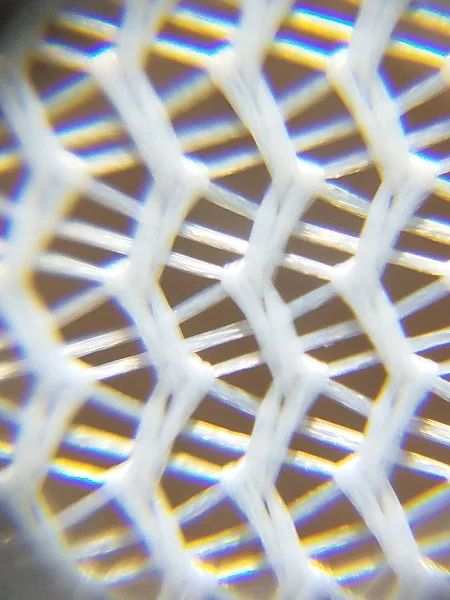
20190314_115534.jpg

The eye detects tiny holes in the fabric of the bag for delicate fabrics to go in the washer; with macro lens, it looks like a Zentangle.

After I got back to my office, I looked at two mouse pads with the macro lens. One is a woven surface…the other looks like a paint.

--

The macro photographs make it easy to see how easily fibers escape from our clothes and carpets.

Right now I am thinking that at home the 1st priority is to not have any plastic around heat (mostly in the kitchen) and the 2nd is reducing synthetic textiles!
Gleanings of the Week Ending February 14, 2026

The items below were ‘the cream’ of the articles and websites I found this past week. Click on the light green text to look at the article.

12/18/2025 Ozark Public Television Wild Ozarks: A Legacy of Conservation – Very well done. I am recommending it to be part of the core training for the next group of Springfield Plateau Missouri Master Naturalists!

2026 Million Marker Test Kit – I’m going to do as much as I can to reduce microplastics…then do this test….probably next summer. It is advertised as the only mail-in test for BPA, BPS, BPF, phthalates, parabens, and oxybenzone.

2/3/2026 Yale 360 China to See Solar Capacity Outstrip Coal Capacity This Year - By the end of 2026, wind and solar will account for nearly half of China’s power capacity. Including hydro and nuclear power, clean energy will amount to nearly two-thirds of total power capacity, while coal will amount to a third. Competing with cheap solar and wind, a large share of coal plants are now operating at a loss.

2/1/2026 Cool Green Science Catching Sharks for Science - On Long Beach Island, volunteer anglers help researchers uncover the hidden journeys of sharks in threatened salt marsh ecosystems.

2/3/2026 Science Daily Even remote Pacific fish are full of microplastics - Even in some of the most isolated corners of the Pacific, plastic pollution has quietly worked its way into the food web. A large analysis of fish caught around Fiji, Tonga, Tuvalu, and Vanuatu found that roughly one in three contained microplastics, with Fiji standing out for especially high contamination. Reef and bottom-dwelling fish were most affected, linking exposure to where fish live and how they feed.

2/1/2026 National Parks Traveler New York Art Teacher Earns 30 National Park Resident Artist Spots In 10 Years – Artist-in-residence at National Park Service sites. Many of the programs are funded by nonprofits, grants, or donations made directly to the Park Service. Categories are broad and include writers, painters, photographers, musicians, dancers, sculptors, and animators. 

1/30/2026 My Modern Met Society of Photographers 2025 Contest Announces Its Astounding Winners – Chosen from over 6,000 photographs submitted!

1/29/2026 BBC From bad omen to national treasure: The rare bone-swallower stork saved by a female army - Known locally as the hargila (or "bone-swallower") for its scavenging ways, greater adjutant storks are unique birds. Roughly 5ft (1.5m) tall, they aren't only imposing but also play a vital role in maintaining the health of a wetland ecosystem. As scavengers that consume and clean up carcasses, they prevent the spread of disease and break down decaying organic matter, recycling essential nutrients back into the soil. They were feared, reviled and in some communities, hunted for their meat which was once widely used in folk medicine as a cure for leprosy or antidote to poison.

1/28/2026 Archaeology Magazine Study tracks wild potato across the Southwest - People carried a small, wild potato known as the Four Corners potato (Solanum jamesii), across the southwestern United States some 10,000 years ago.

1/27/2026 Super Age Wellness Is Finally Admitting It Got the Last Decade Wrong – The article lists 10 trends from the 2026 Global Wellness Report. One of the 10 is “Microplastics are at threat to healthspan.”

Plastics Crisis – Donating Plastic and Valentine’s Plans

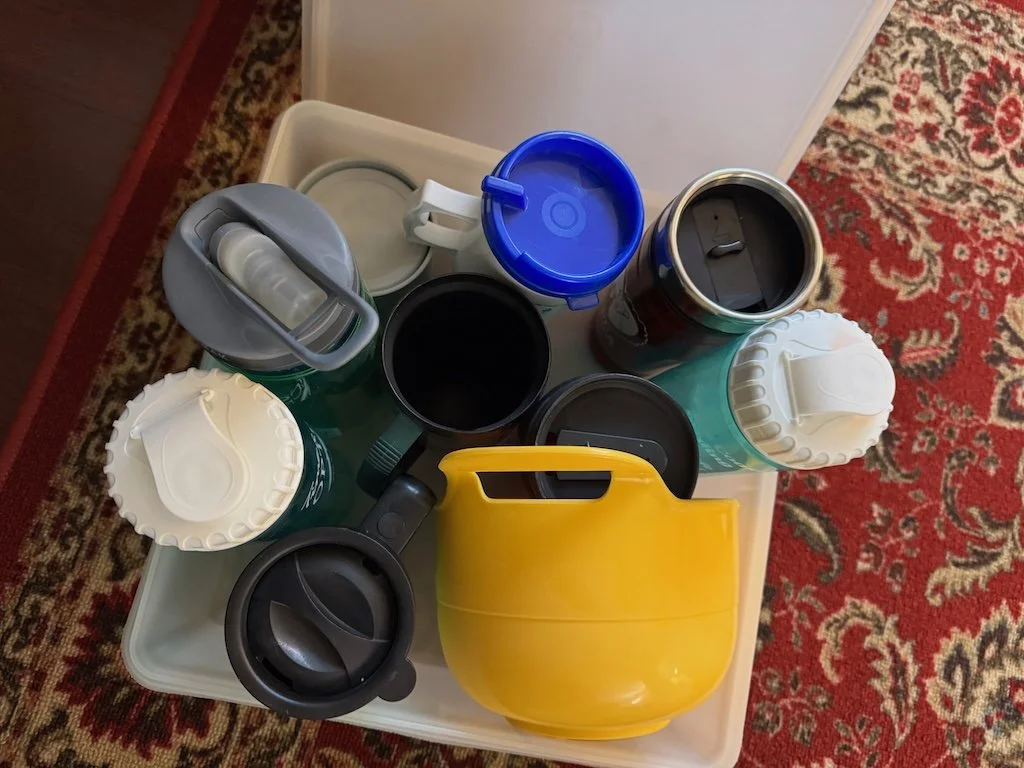
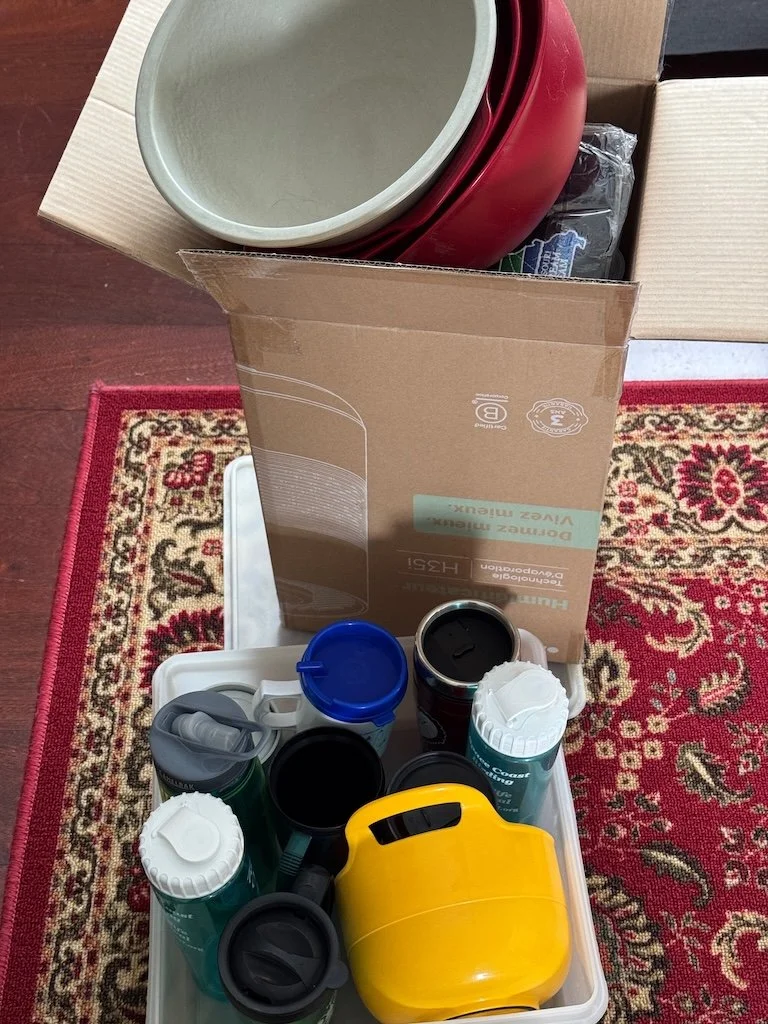
I’ve gathered plastic from my kitchen and am donating it to Goodwill. The large plastic bin full of old water bottles/travel mugs and the yellow bowl is a Tupperware cake container that I’ve had for almost my whole married life (i.e. over 50 years)!

I’ve gathered plastic from my kitchen and am donating it to Goodwill. The large plastic bin full of old water bottles/travel mugs and the yellow bowl is a Tupperware cake container that I’ve had for almost my whole married life (i.e. over 50 years)!

It’s better to donate the supposedly reusable plastic rather than sending it to the landfill although it will likely be used in someone else’s kitchen; I feel guilty about enabling that. I also added a coffee maker (minus the carafe) since I replaced it with a glass and stainless electric tea kettle. I will never have this kind of plastic to donate again.

Switching from donating plastic to Valentine’s Day plans…

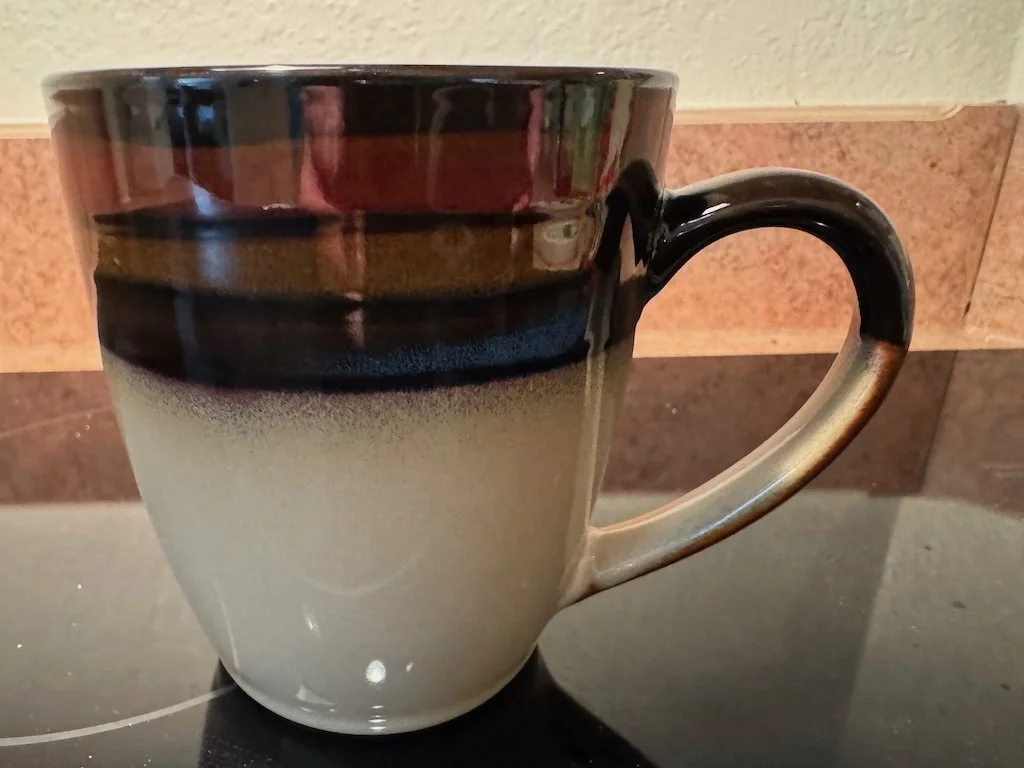
Our Valentine’s Day celebration does not involve as much plastic as some other holidays since we don’t decorate (no balloons or glitter). There are a few gift ceramic mugs that were added in past years; we are past the need to buy a valentine’s gift; the only chocolate I like is my usual ethically sourced dark chocolate packaged in foil and heavy paper – and I don’t wait for a holiday to enjoy it. If the weather is good, we might do a winter walk around the Botanical Garden. I might check the thrift store for a dressy item for the day…and the rest of winter…when I make the donation to Goodwill. We might go out to eat – not to fast food and we probably won’t have leftovers (no plastic utensils or take out boxes); or maybe we’ll just go out for a special dessert. Looking back at the 2/14 celebrations in the past few years – the biggest single use plastic of the day might be clamshell packaging for a piece of red velvet cake – and I’ll do without that this year.

Gleanings of the Week Ending February 7, 2026

The items below were ‘the cream’ of the articles and websites I found this past week. Click on the light green text to look at the article.

1/22/2026 I’m Plastic Free How Geography Impacts Plastic-Free Living - Many people want to reduce plastic, but simply don’t have the tools nearby. In larger cities, it’s often easier to find refill stores, farmers’ markets, and shops that sell loose produce, but the access varies widely between wealthier and lower-income city areas. Living in a city doesn’t guarantee sustainable options. here are a variety of factors that determine the amount of plastic used by consumers. These usually include their location, the system of commerce, and the accessibility of plastic products. Understanding how an area shapes shopping decisions will lead to people advocating for a change where it matters the most.

1/22/2026 Yale Environment 360 In Europe, Wind and Solar Power Overtakes Fossil Fuels - Last year, for the first time, wind and solar supplied more power than fossil fuels to the E.U. In parts of Europe, there are signs that increasingly cheap batteries are beginning to displace natural gas in the early evening, when power demand is high, but solar output is waning.

1/23/2025 Smithsonian Magazine United Nations Declares That the World Has Entered an Era of ‘Global Water Bankruptcy’ - Life around the world has been feeling the effects of climate change, land degradation, deforestation, pollution and the overuse of water. Ultimately, most regions are using too much of their renewable “income” of water from rivers and snowmelt and have emptied their “savings” in groundwater and other reservoirs, ushering in an era of “global water bankruptcy.” We cannot rebuild vanished glaciers or reinflate acutely compacted aquifers. But we can prevent further losses and redesign institutions to live within new hydrological limits.

1/21/2026 BBC Future How the nutritional benefits of foods change as you age - The two main nutrients we should focus on in old age are calcium and vitamin D. Eating enough quality protein is also really important as we age.

1/20/2026 ScienceDaily Stanford scientists found a way to regrow cartilage and stop arthritis - Scientists at Stanford Medicine have discovered a treatment that can reverse cartilage loss in aging joints and even prevent arthritis after knee injuries. By blocking a protein linked to aging, the therapy restored healthy, shock-absorbing cartilage in old mice and injured joints, dramatically improving movement and joint function. Human cartilage samples from knee replacement surgeries also began regenerating when exposed to the treatment. Human trials will be launched soon.

1/12/2026 The Daily Show Vitamin Plastic Water: Don’t Just Consume Microplastics, Enjoy Them! – Humor in a plastic world.

1/20/2026 NASA Explore North America’s Greenhouse Hub - In the Leamington (Ontario) area, growers cultivate vegetables and other crops within millions of square feet of greenhouse space. Commercial greenhouse operations began to gain a foothold in this area in the 1960s and 1970s as technology advanced and regional demand for fresh vegetables increased. Since then, the industry has continued to grow, securing Leamington’s reputation as the “greenhouse capital of North America.”

1/20/2026 NPR Polyester clothing has been causing a stir online. But how valid are the concerns? - Though polyester has been around for a while, in many cases, manufacturers have begun using polyester for items that natural fibers would be better suited for. For example, polyester is often found in summer clothes, even though the material traps heat. And people eventually dump clothes that are uncomfortable. Mounds of abandoned clothing are showing up on coastlines in countries like Ghana, India and Chile, Palladino said. Ghana, for example, has a large market for upcycling clothes. But many of the clothes it receives from the U.S. are of increasingly lower quality, so some purchasers dump them in lagoons and landfills, which end up in the oceans. Natural fibers clothing have cost you a little more, but you're going to have it longer.

1/19/2026 ArtNet The Forgotten Designer Who Created America’s First National Parks Posters - Dorothy Waugh was a pioneering Modernist designer who created the U.S. government’s first in-house National Parks poster campaign during the Great Depression, is the subject of her first-ever solo exhibition. After leaving the NPS, Waugh got a job at Knopf, founding and leading the publishing house’s Books for Young Adults Division. She also worked for 25 years as the head of public relations at the Montclair Public Library in New Jersey. In addition, Waugh was an educator, offering the first-ever course in typography at the New York School of Fine and Applied Art, now the Parsons School of Design. On top of all that, she moonlighted as journalist and poet, and even as a radio personality, with her own regional radio program. She also wrote and illustrated many books for children, as well as two scholarly tomes on the poet Emily Dickinson. The last of those was published when Waugh, who lived to be 99, was 94.

1/18/2026 Our World in Data How have crime rates in the United States changed over the last 50 years? - Several crimes fall within the category of violent crimes. In US statistics, this includes homicide (murder and non-negligent manslaughter), rape, robbery, and aggravated assault. Violent crime rates increased during the 1980s, reaching a peak in the early 1990s at around 750 offenses per 100,000. Since then, rates have more than halved. Over the past three decades, rates have fluctuated slightly from year to year, but the overall trend has been downward.

Plastics Crisis – Action at the Community Level – January 2026

The weekly Plastics Crisis posts are dominated by what I am doing as an individual to reduce my plastics exposure – but I am also acting at a community level as well; my plan is to post at least once a month to document those actions. Looking back at January, there was a bigger variety than I anticipated at the beginning of the month.

Beyond Plastics Ozarks is ramping up! We added a few additional members, and I hosted my first zoom meeting for the group. I experimented with annotating the Zoom generated summary rather than writing up my own notes; it seems to work reasonably well but I will still take plenty of notes during the meeting!

I was part of a meeting with a Springfield Councilmember organized by the Show-me less plastic project.

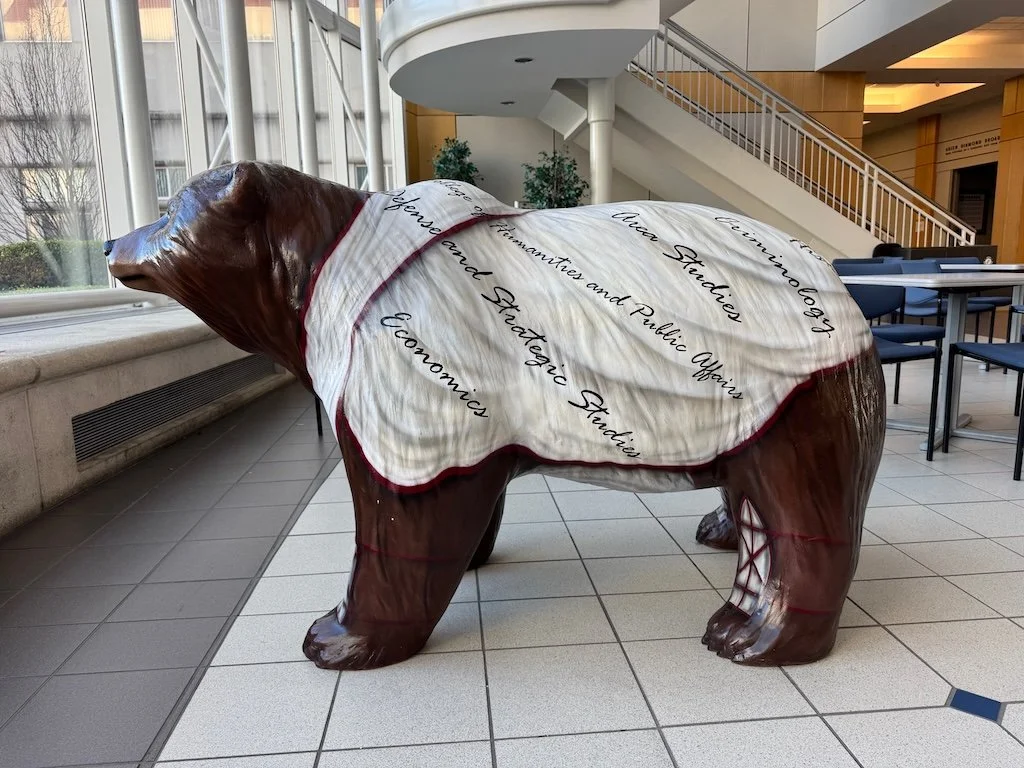
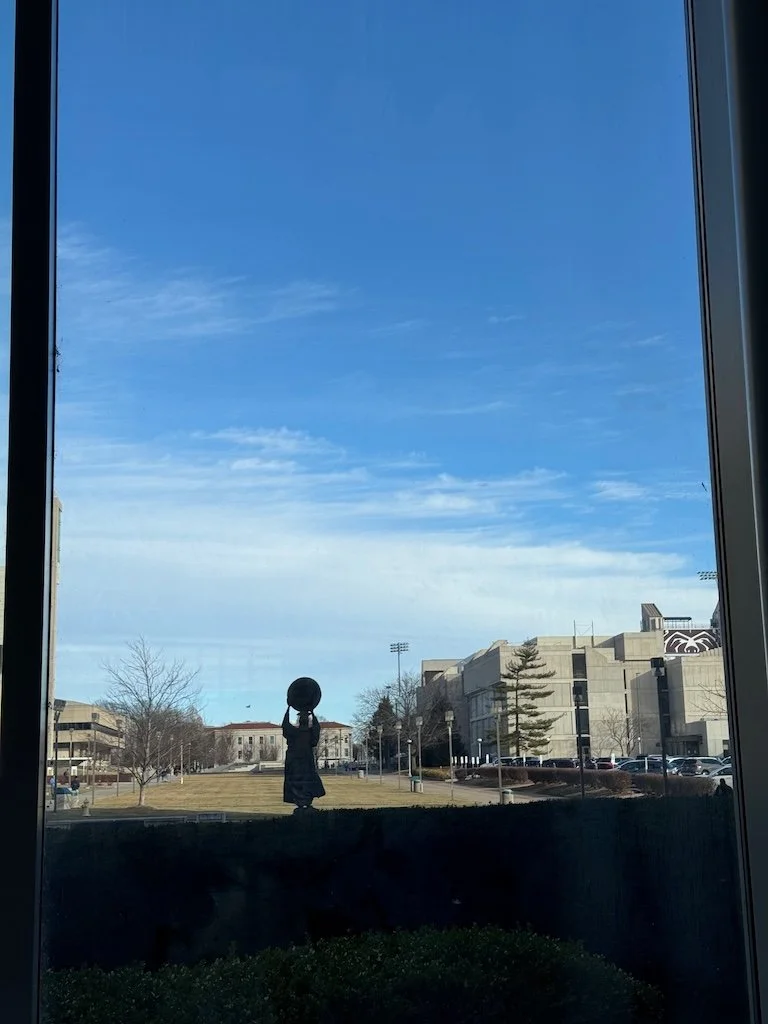
I  recorded a segment of the KSMU Growing the Ozarks podcast about Microplastics in the Environment. It was an adventure for me – going to the recording studio on the Missouri State University campus (taking some pictures as I waited in the foyer) and getting the recording acceptable on the first try thanks to my experienced interviewer.

During my travel to Lewisville TX, I noticed a lot of plastic at the hotel’s breakfast service…and used the survey from the hotel afterward to indicate my concern about Styrofoam plates and plastic utensils with hot food. I had stayed at the same brand/chain in St. Joseph MO and they had used ceramic plates and stainless utensils. The General Manager of the hotel responded: “We truly appreciate your suggestions about reducing single-use plastics and will share them with our leadership team for consideration.” I stay at the same hotel every month when I visit my dad so I will know if they make changes.

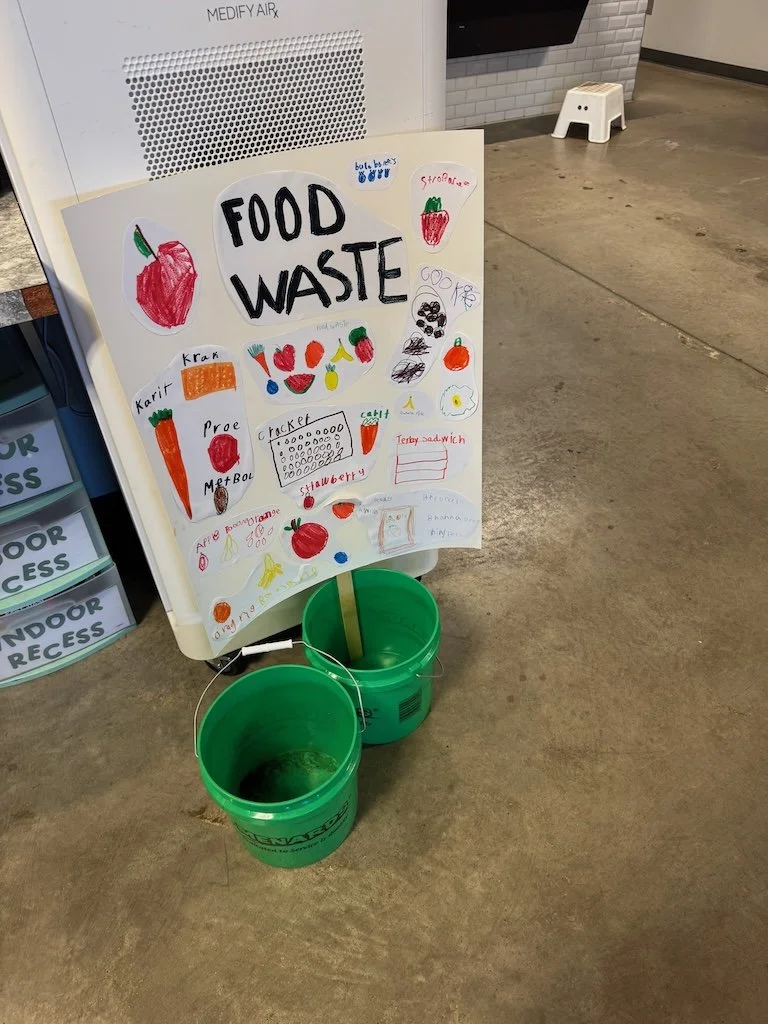
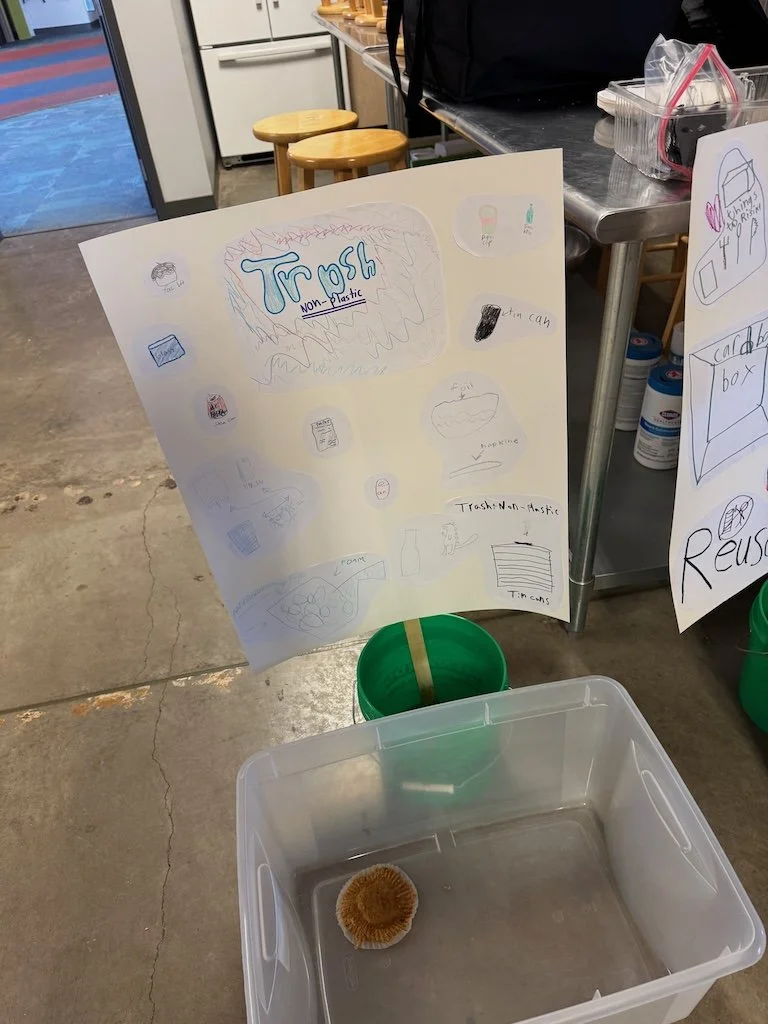
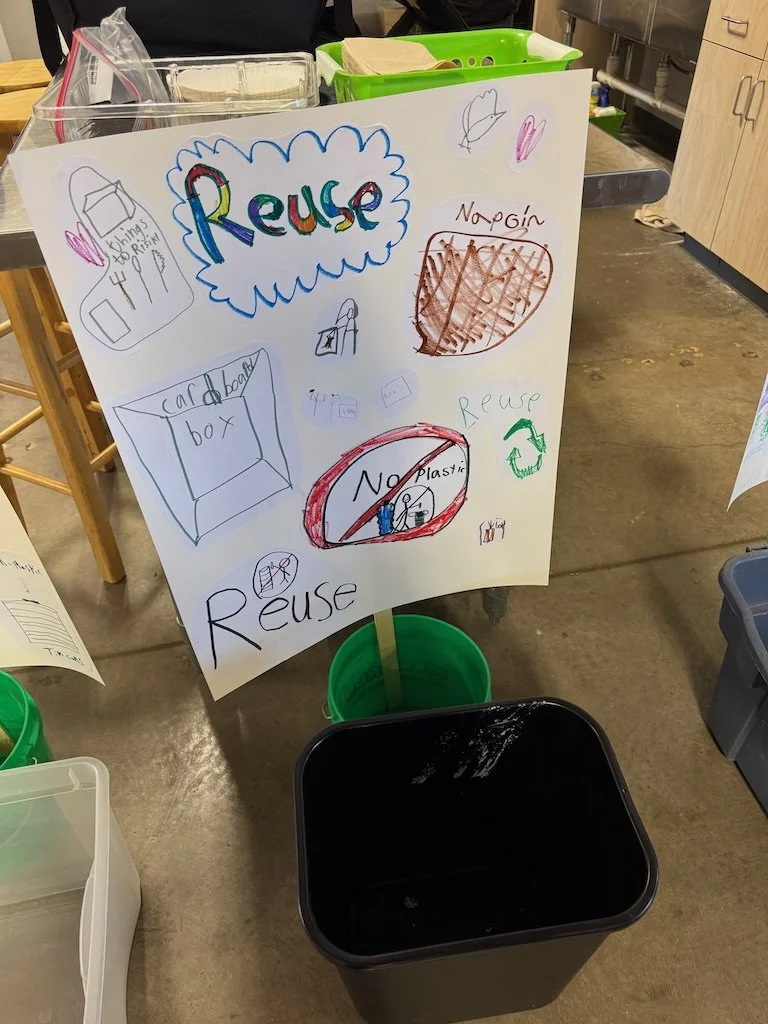
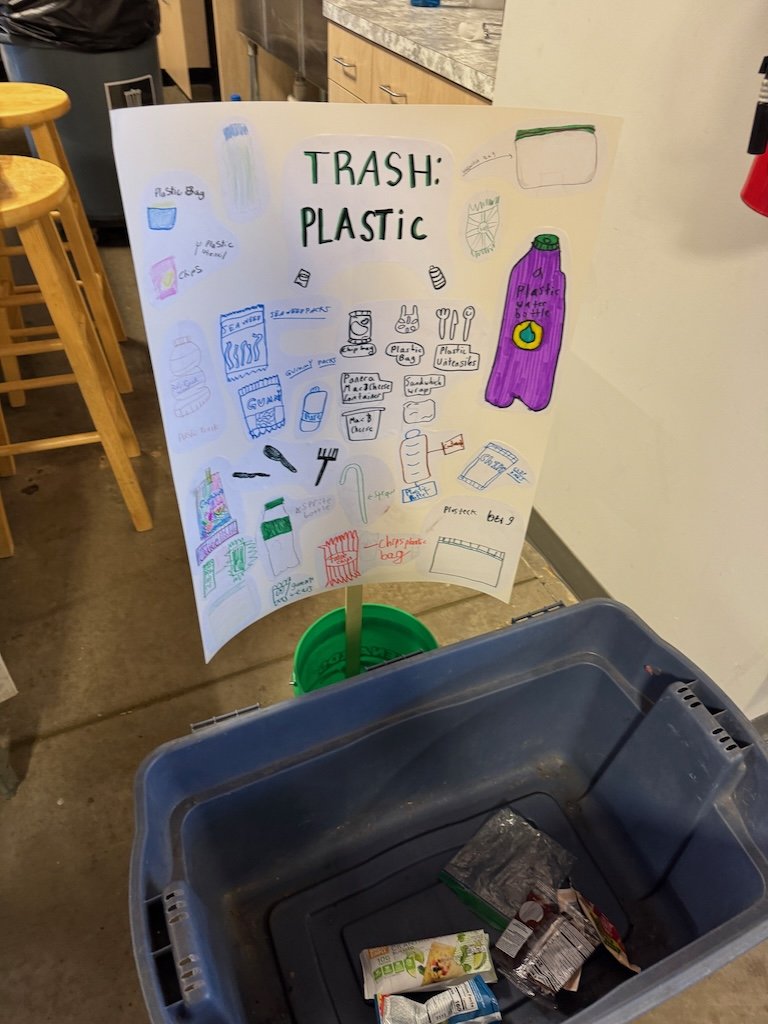
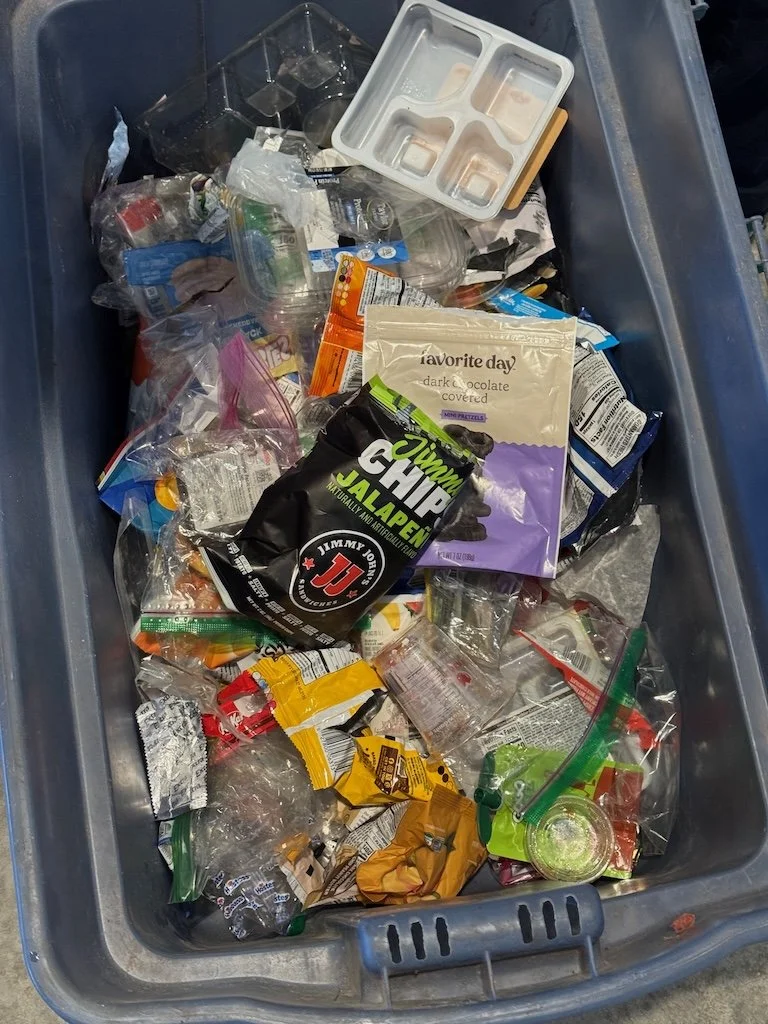
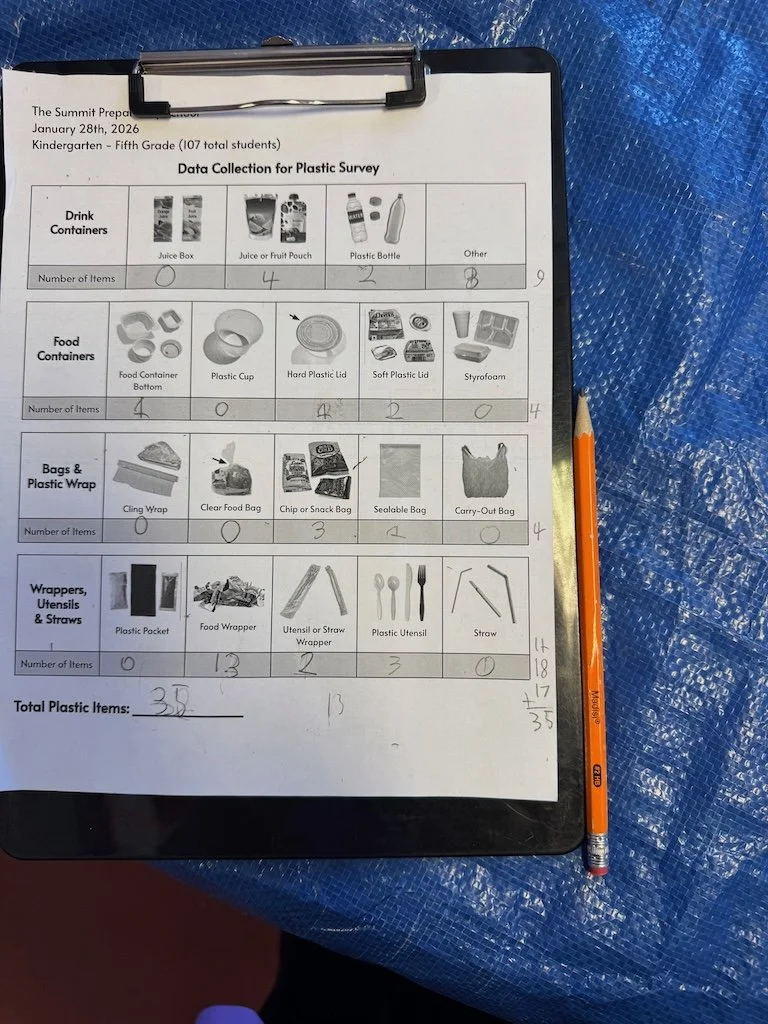
I helped with a lunch trash audit at a private school in Springfield organized by the Show-me less plastic project. The teacher was a fellow Missouri Master Naturalist and had done a great job preparing for the event – having the elementary students make posters for the initial sorting: food waste, non-plastic trash, reuse, and plastic trash. After their lunch the students put their trash in the correct bin.

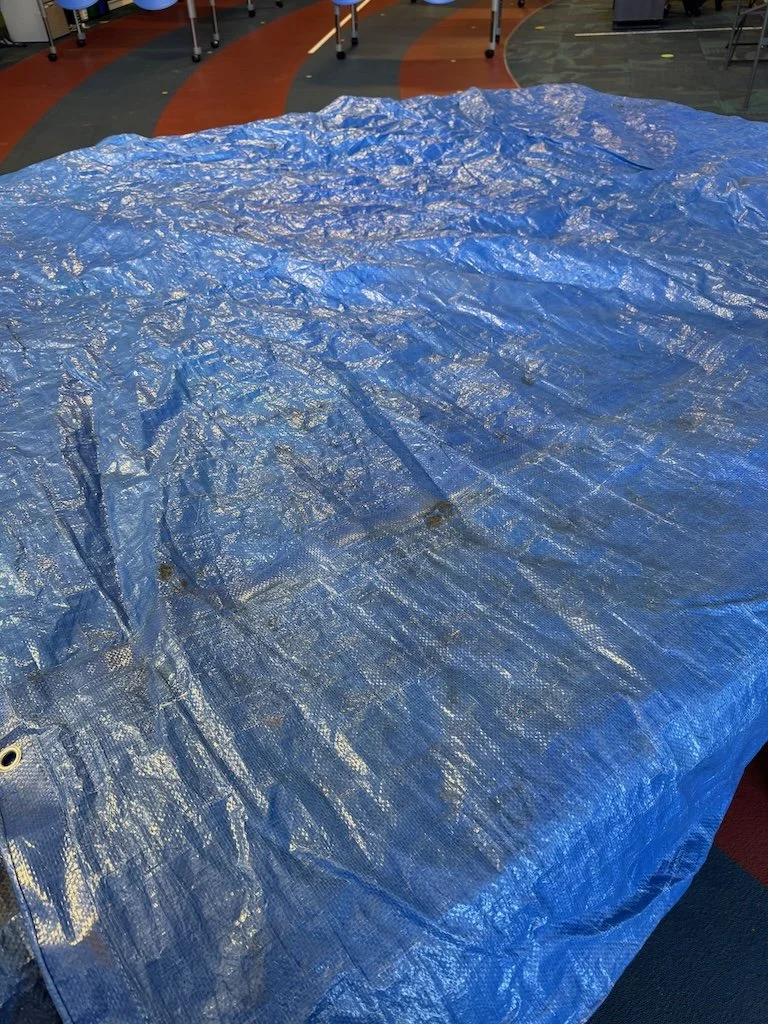
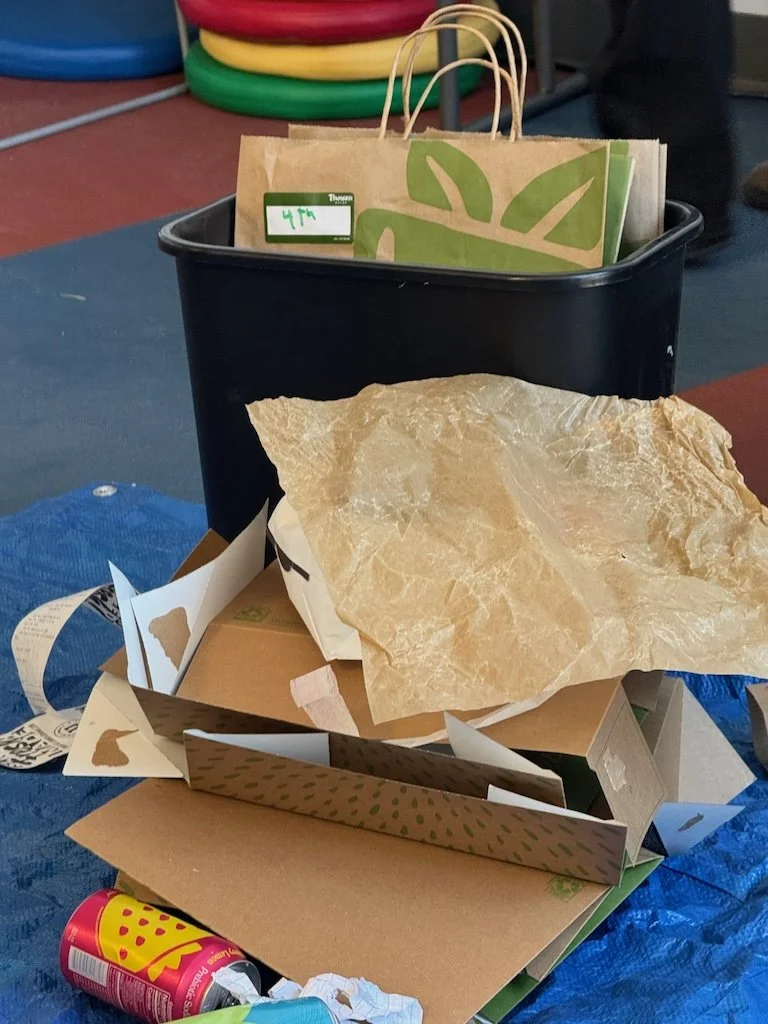
We (the adults) moved to a classroom with tarps over tables and on the floor which would be used for sorting by students over 3 class periods. The third and fourth graders divided into 4 groups and used the tarp covered table for the non-plastic  and plastic trash respectively while the second graders used the floor tarp to sort reuse/recycle.

The sorting of the plastic trash was the most thorough – with a worksheet for each group to categorize pieces of trash as they counted. Some of it was quite small!  

The next action the school is considering is to do a plastic free lunch!

In looking back at January, I am wondering if there will be as much every month or whether January unusual. This type of volunteering has components that are new to me; my strategy is to let it develop rather than try too hard to determine its direction!

Gleanings of the Week Ending January 31, 2026

The items below were ‘the cream’ of the articles and websites I found this past week. Click on the light green text to look at the article.

12/5/2025 The Scientist The Ice is Alive: Uncovering the Vanishing World of Glacial Microbes - The ice teems with an invisible and thriving biosphere, lush with bacteria, fungi, and viruses. Scientists have estimated that the glaciers and ice sheets around the globe could contain as many as 1029 cells. The most dynamic … is the surface, where windblown dust mixes with microorganisms to form a dark, granular sediment known as cryoconite. Because this aggregate is darker than the surrounding white ice, it absorbs more solar radiation, melting the ice beneath it. This melting creates water-filled depressions called cryoconite holes that pockmark vast areas of the ice sheet. Cryoconite holes are far from simple puddles; they are oases of life in a polar desert.

2023 NASA History Office NACA to NASA to Now – A book about the history of NASA available free online from the NASA website.

1/14/2026 The Conversation Native pollinators need more support than honeybees in Australia – here’s why - Since the 1990s, the global decline of pollinators due to human activities, climate change and diseases has been a serious concern, especially in Europe and North America. The honeybee is so good at invading and proliferating in Australian landscapes, we now have some of the highest reported densities of feral honeybees in the world. Despite the global pollinator decline, honeybees haven’t disappeared anywhere in the world, even in countries with far fewer resources than Australia. Nor has any plant species gone extinct from a lack of honeybees. In contrast, there is overseas evidence of plant population declines due to the presence of honeybees and lack of native pollinators.

1/13/2026 Yale Environment 360 Photos Capture the Breathtaking Scale of China’s Wind and Solar Buildout - Last year China installed more than half of all wind and solar added globally. In May alone, it added enough renewable energy to power Poland, installing solar panels at a rate of roughly 100 every second.

1/12/2026 Compound Interest What are rubber ducks made from? - Scientists discovered polyvinyl chloride, or PVC for short, accidentally in the 1800s on more than one occasion. A hard and brittle plastic, PVC had little commercial use until it was mixed with softening plasticizers to make a much more moldable material. The modern rubber duck is not made from rubber, but from plasticized PVC colored with a bright yellow pigment.

1/13/2026 Clean Technica EPA Cooks the Books on Industrial Pollution Costs – They (EPA) will henceforth consider only the economic cost of the regulations to corporations, and if they are deemed to be too burdensome, those regulations will be softened in order to avoid undue economic harm to the polluters. This includes fine particulates (2.5 microns or less) that include microplastics and fossil fuel combustion products….contributing to many negative health outcomes.

1/13/2026 UPI U.S. greenhouse gas emissions growing faster than economy - For the first time in three years annual U.S. greenhouse gas emissions increased, climbing by 2.4% in 2025 as federal policy shifted back to fossil fuels. For the first time in three years annual U.S. greenhouse gas emissions increased, climbing by 2.4% in 2025 as federal policy shifted back to fossil fuels.

1/11/2026 Science Daily A room full of flu patients and no one got sick - n a striking real-world experiment, flu patients spent days indoors with healthy volunteers, but the virus never spread. Researchers found that limited coughing and well-mixed indoor air kept virus levels low, even with close contact. Age may have helped too, since middle-aged adults are less likely to catch the flu than younger people. The results highlight ventilation, air movement, and masks as key defenses against infection.

1/15/2026 BBC Rare images of Europe's 'ghost cat' - After several decades, this mysterious little beast is returning to our forests.

1/14/2026 NASA Earth Observatory Fires on the Rise in the Far North - In the far north, wildfires are breaking old patterns. Satellite data show that wildland fires once scattered across the Arctic are now surging in numbers—particularly in northern Eurasia—and many are burning more intensely than before. n the 2000s, fires north of 60 degrees latitude appeared across both North America and Eurasia, but starting in the early 2010s, their numbers skyrocketed, most dramatically in Eurasia. Even the icy island of Greenland entered a new fire regime during this period, experiencing more large fires, though still too few to be visible on these maps. Researchers attribute these trends to rising temperatures, which have made northern landscapes more flammable, along with a poleward expansion of lightning—the primary ignition source for these fires.

Ten Little Celebrations – January 2026

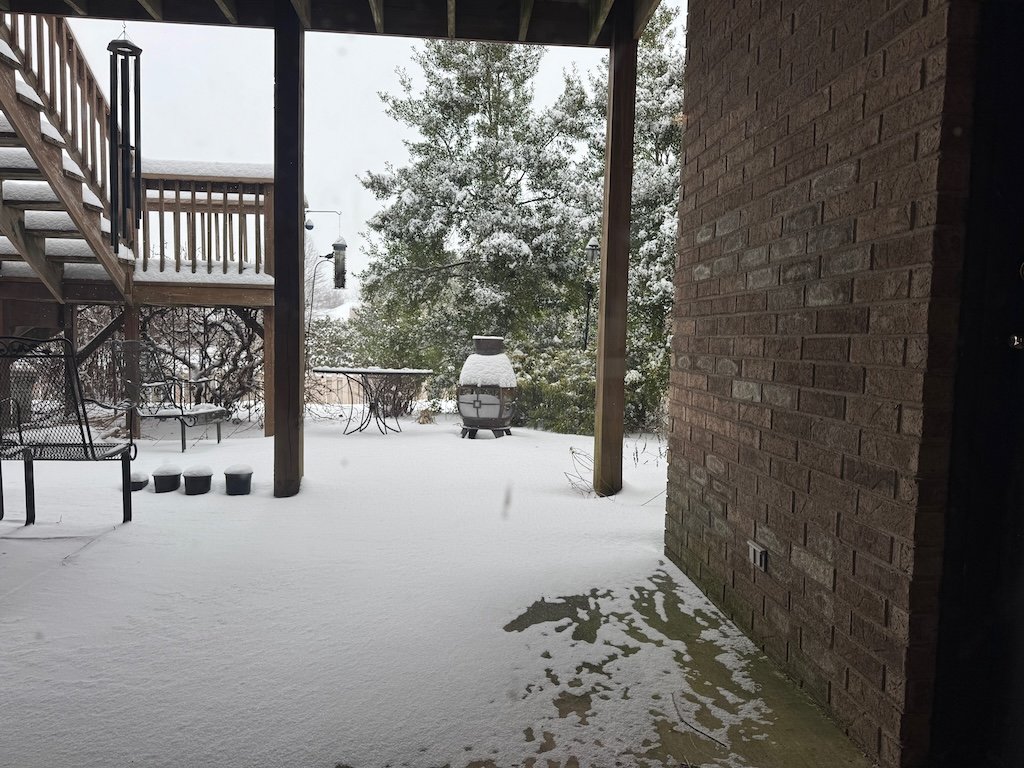
Parts of January were not very wintery but later in the month, we got a significant winter storm that included snow! I celebrated winter activities, food, and scenes –sprinkled with some warmer days.

53rd wedding anniversary. So much of my day-to-day well-being is linked to my marriage that I sometimes just accept it as normal….but my wedding anniversary in January always prompts me to celebrate….be grateful that we’ve sustained our relationship by changing together!

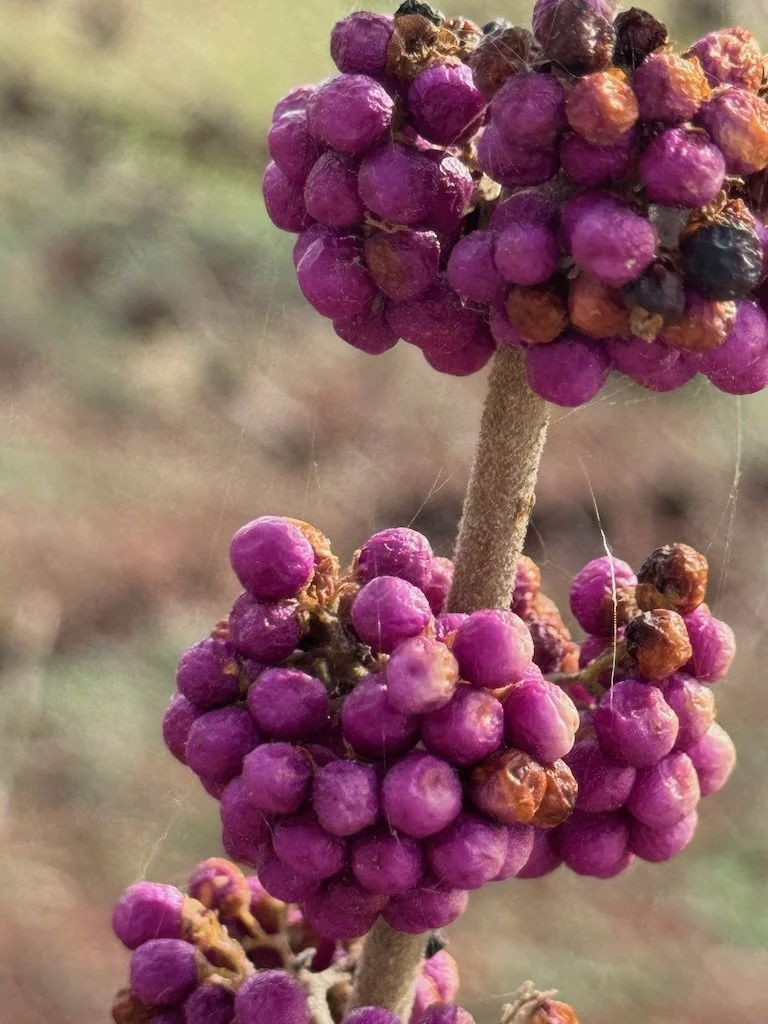
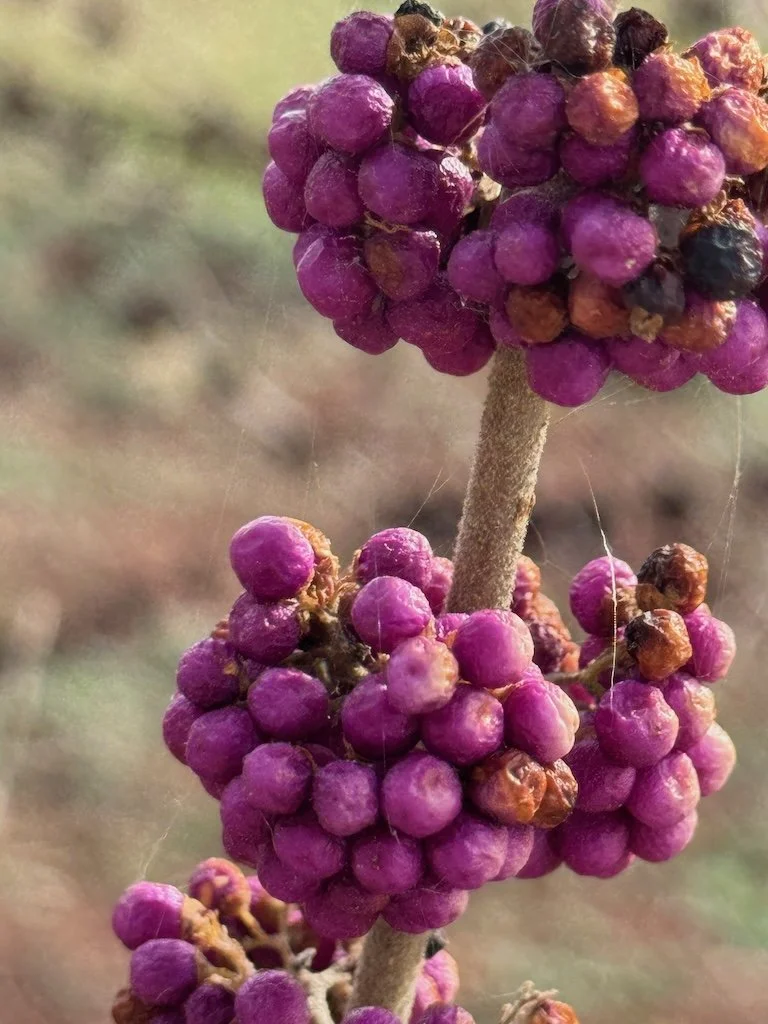
American Beautyberry in winter. I celebrated the wrinkles and color of the berries – often in an otherwise brown bed at the Texas Welcome Center. I’m glad I have some small beautyberry plants in the yard that will be beautiful in a few years.

Big snow. It was a good time to be at home – celebrate the season (and my snow blower).

Dark chocolate for breakfast. I savored dark chocolate first thing in the morning – reverting to my favorite breakfast in the last years of my career. I celebrated that it was tasty and fair trade certified.

Meal in a skillet. Lightly sautéing veggies then adding a couple of eggs to make a ‘sauce’ and provide the protein – I’m getting used to the idea of eating it straight from the skillet. Celebrating food that is quick…nutritious…easy to clean up.

Potato skin. My husband likes the inside of russet potatoes and I like the skin. I always celebrate when there is a potato skin to top a soup or include in a stir fry.

Salmon salad with ginger, lemon, and honey dressing. Small cans of salmon have become a pantry staple for me. This month I celebrated a homemade dressing (fresh ginger, lemon, and honey) that made salmon salad my favorite.

Exercise snacks and treadmill walks. I’ve noticed that my mood and my back are better when I do short spurts of exercise throughout the day – celebrating that something that is good for me overall has some specific benefits that motivate me!

Pruning chainsaw. I celebrated a new tool – realize I should have bought one sooner.

Plastics podcast. The recording of a short message about plastics had been in the works for months – and I celebrated that I finally got it done!

Plastics Crisis – Travel and Plastics

I thought about plastics as I made my monthly drive from Missouri down to Lewisville TX and back. It might have been the noticeable plastic trash along the road – perhaps there was more of it because of recent winds.

The other reason I was thinking about it more was the breakfast set up. The same hotel chain we had stayed in when we went to St. Joseph MO late last month had used ceramic plates and stainless utensils – so it felt like a step backwards to have foam plates and plasticware. Both places had Keurig coffee makers in the room and plastic single used glasses. When I got the request for feedback to the hotel – I filled in several responses about the plastic in their hotel and pointed out that the bottle of water ‘gift’ is not as appreciated any more.

I have started carrying a ceramic mug in my suitcase…to make tea – avoid the Keurig completely and the cups they provide. I also carry a small water filtration pitcher to replenish my reusable water bottle and to make tea.

My eyes were itchy the whole time I was in Lewisville; when I checked, the air quality was yellow…and the hotel HVAC filter did not seem to help. The dominate pollutant type causing the ‘yellow’ level was PM2.5 which includes microplastics and products of fossil fuel combustion. I am considering whether I should travel with an air purifier like I did on road trips after COVID – when vaccines were still quite new.

The drive home was very windy with a front coming through (bringing ice and snow for the weekend) and there were several places where plastics were blowing in the wind. Not long after I got to I44 and was less than 2 hours from home, there was grass fire along the shoulder that seemed to go for at least ¼ mile…and the smoke was blowing across the road.  Another hit to air quality!

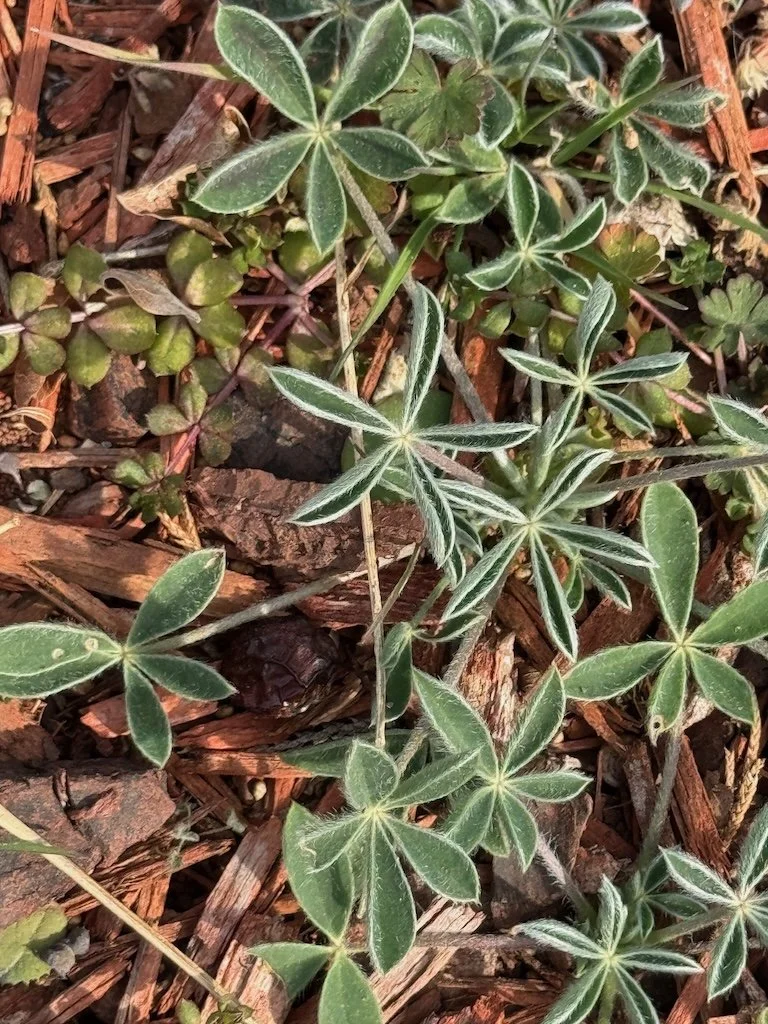
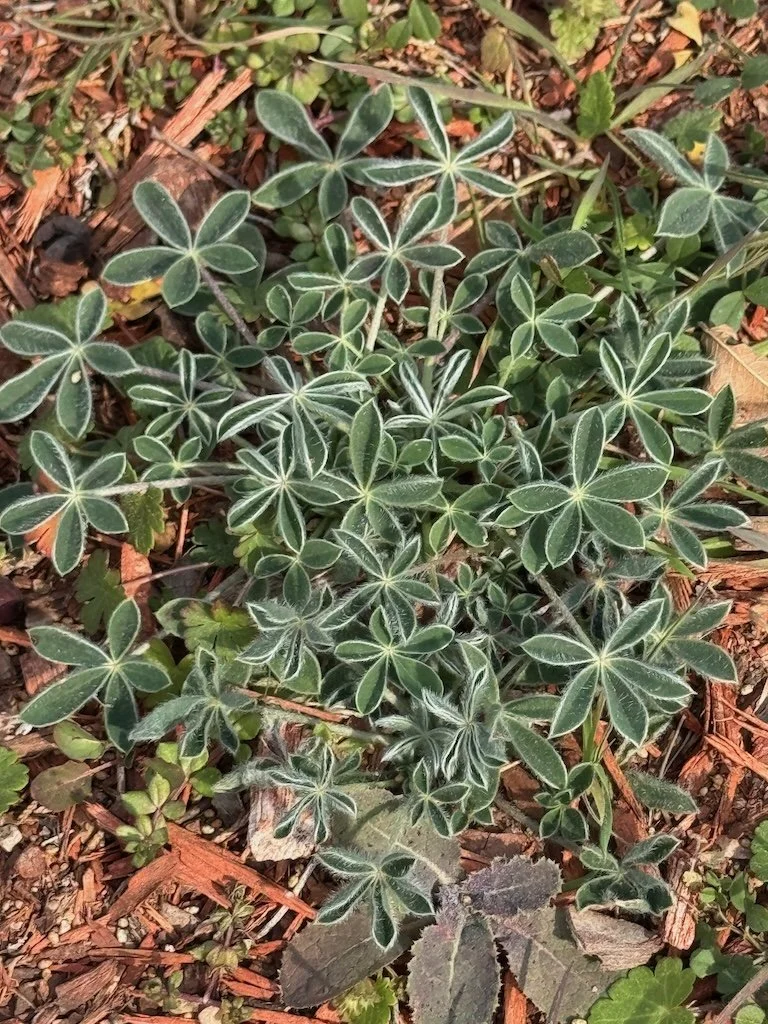
There was a bit of nature at the Texas Welcome Center where I stopped on the way down that I’ll use as a positive ending for this post even though it has nothing to do with plastics or air quality: the bluebonnet plants are above ground and the beautyberry still has a bit of color!

Gleanings of the Week Ending December 20, 2025

The items below were ‘the cream’ of the articles and websites I found this past week. Click on the light green text to look at the article. (Note: I have changed the format to include the date and source of the article.)

11/30/2025 NPR  More cities are seeing PFAS pollution in drinking water. Here's what Louisville found - What we do is manage risk, and we start that at the river. It sounds weird, but source water protection – keeping the stuff out of the river – is a big deal.

11/25/2025 Artnet Radiant Tiffany Landscape Window Leads Major Auction of the Studio’s Masterpieces – Beautiful glass…there are some coming to auction in December. I enjoyed the pictures in the article.

12/2/2025 Washington Post ‘Everywhere chemicals’ are in our food, decades after scientists recognized dangers - A large body of science has linked phthalates to a variety of serious health conditions, including premature birth and infertility. The costs to society are huge. A 2024 NYU-led study that catalogued health effects from phthalates exposure in the United States — including contributions to diabetes levels and infertility — estimated that dealing with phthalate-related diseases cost $66.7 billion in a single year. Previous Washington Post article on phthalates from last September: The health risks from plastics almost nobody knows about.

12/2/2025 Science Daily Is your gut being poisoned? Scientists reveal the hidden impact of everyday chemicals - Many chemicals designed to act only on one type of target, say insects or fungi, also affect gut bacteria. Some of these chemicals had strong effects. For example, many industrial chemicals like flame retardants and plasticizers -- that we are regularly in contact with -- weren't thought to affect living organisms at all, but they do.

12/7/2025 Clean Technica Your Single-Use Plastic Bottles Are Killing Endangered Sea Turtles - A recent study published in Proceedings of the National Academy of Sciences concludes that plastic ingestion has been documented in nearly 1,300 marine species, including every seabird family, marine mammal family, and sea turtle species. Researchers analyzed data from more than 10,000 autopsies from marine creatures killed by ingesting plastic; they calculated amounts consistent with a 90% likelihood of death:

  • 23 pieces (0.098 cm3/cm) in seabirds;

  • 29 pieces (39.89 cm3/cm) in marine mammals: and,

  • 405 pieces (5.52 cm3/cm) in sea turtles (377 for juveniles).

12/2025 Greenpeace Plastic Merchants of Myth: Circular Claims Fall - After decades of meager investments accompanied by misleading claims and a very well-funded industry public relations campaign aimed at persuading people that recycling can make plastic use sustainable, plastic recycling remains a failed enterprise that is economically and technically unviable and environmentally unjustifiable. (Press release for the document)

12/8/2025 The Conversation PFAS in pregnant women’s drinking water puts their babies at higher risk – Data on all births in New Hampshire from 2010-2019 were analyzed. The 11.5 thousand births that occurred within 3.1 miles of a site known to be contaminated with PFAS and where mothers were served by public water system (well based) were selected for further analysis. PFAS was greater in the water system wells downstream from the site. Births in the area served by wells downstream were 43% more likely to be low-weigh (under 5.5 pounds), 20% greater chance of preterm birth, and 191% greater chance of the infant not surviving its first year. Research was done at University of Arizona.

12/8/2025 Science Daily Humans are built for nature not modern life - Human biology evolved for a world of movement, nature, and short bursts of stress—not the constant pressure of modern life. Industrial environments overstimulate our stress systems and erode both health and reproduction. Evidence ranging from global fertility declines to chronic inflammatory diseases shows the toll of this mismatch.

12/7/2025 Clean Technica The Floating Solar Revolution - Despite this year’s sharp U-turn in federal energy policy, the renewable energy transition continues to branch out in new directions. One emerging factor is the relatively new area of floating solar. The field has already begun to scale up in some regions around the world, and innovative solar firms are carving out new opportunities here in the US as well.

12/7/2025 Science Daily New moonquake discovery could change NASA’s Moon plan - Scientists have discovered that moonquakes, not meteoroids, are responsible for shifting terrain near the Apollo 17 landing site. Their analysis points to a still-active fault that has been generating quakes for millions of years. While the danger to short missions is low, long-term lunar bases could face increasing risk. The findings urge future planners to avoid building near scarps and to prioritize new seismic instruments.

Gleanings of the Week Ending December 13, 2025

The items below were ‘the cream’ of the articles and websites I found this past week. Click on the light green text to look at the article.

How extreme weather is making plastic pollution more mobile, more persistent and more hazardous - Rising temperatures, humidity and sunlight break plastic down, making it brittle and cracked, accelerating its disintegration into tiny fragments. A 10-degree Celsius (18 Fahrenheit) rise in temperature during an extreme heat wave could double the rate at which plastic degrades. Extreme storms, flooding and wind also hasten the breakdown of plastic, mobilize it and spread it more widely. Flooding can also help forge “plastic rocks,” created when rocks and plastics form a chemical bond and merge together. These become hotspots for microplastic generation. Wildfires release microplastics and highly toxic compounds into the atmosphere. Global annual production of plastic increased 200-fold between 1950 and 2023 and is predicted to keep increasing as the world moves toward clean energy and oil companies shift investments to plastics.

YMCA: The Swan Song of SROs and the Birth of Modern Homelessness - Single room occupancy hotels played a central role in America’s affordable housing ecosystem for decades, providing cheap, flexible accommodations without government subsidy. They are effectively large-scale boarding houses, offering small private rooms or dorm-style quarters with shared bathrooms and minimal kitchen facilities. The YMCA was the nation’s largest SRO provider, with more than 100,000 units nationwide at its peak. SROs were far from ideal, but without this form of housing or any other low-cost option, homelessness was the inevitable result. It was just as Edith Elmer Wood feared back in 1919: Housing reform had created a housing famine.

Recycling Lead-Acid Batteries Has Significant Health Risks - What happens to the old ones when they are no longer serviceable? They get melted down to recover the lead in them, which can then be used to make new batteries. In the US, that work often gets outsourced to other countries. It’s a patchwork of shoddy factories in places like Ghana, Nigeria and Tanzania providing more lead for new car batteries….and where people die from lead poisoning. Car companies look the other way.

More Than 1,200 Marine Animal Species Eat Plastic. Ingesting Even a Tiny Amount Can Kill Them - Data from more than 10,000 marine animal autopsies. About half of the examined sea turtles, one-third of seabirds and one in eight marine mammals had plastics in their stomachs. The study didn’t examine other ways plastics can hurt wildlife, such as strangulation, malnutrition or toxic effects. It also didn’t look at the harms of tinier pieces of plastics—microplastics—which have been found in the deep ocean and can also affect marine life. Researchers say the best way to protect wildlife from plastic is to reduce the amount of it that enters the ocean, namely through local and national policy.

The Forgotten Roman Ruins of the ‘Pompeii of the Middle East’ – Jerash – ruins near Amman, the capital of Jordan and the country’s second most popular tourist destination after Petra. After spending more than a millennium covered by sand, Jerash has reclaimed its place as a cornerstone of both Western and Middle Eastern civilization.

Just ten species make up almost half the weight of all wild mammals on Earth – Deer and boars account for almost half the biomass of wild land animals.

New research reveals what’s really hiding in bottled water - Each sip may contain invisible microplastics that can slip through the body’s defenses and lodge in vital organs. These tiny pollutants are linked to inflammation, hormonal disruption, and even neurological damage, yet remain dangerously understudied. “People need to understand that the issue is not acute toxicity -- it is chronic toxicity.”

Beavers are Dam Good for Biodiversity, Bringing Bats, Butterflies and Other Critters to Their Neighborhoods - Beavers are famous for being ecosystem engineers, capable of transforming once-dry landscapes into lush, green wetlands that support many other land- and water-dwelling species. Now, two new studies suggest these benefits also extend to creatures who spend much of their time in the air like bats and pollinator insects.

This tiny pill could change how we diagnose gut health - Tiny ingestible spheres filled with engineered bacteria can detect intestinal bleeding by glowing when they encounter heme. Early tests in mice suggest they could become a quick, noninvasive way to monitor gut disease. The work was done by the NSF of China and other sources in China. Will China now dominate this type of research with the funding cuts in the US?

Meet the 7 Swans a-Swimming – There are 7 swan species in the world…which fits very well with The Twelve Days of Christmas.

Plastics Crisis – Black Friday Purchases

I did my black Friday shopping online this year…and it all involved reducing plastic at my house!

I bought three stainless steel mixing bowls with handles (replacing plastic mixing bowls), a shampoo bar (to replace plastic bottles of shampoo), and replacement filters for my air purifiers that I have in my office and bedroom (get microplastics out of the air).

Those purchases were small compared to the Rorra Countertop System for water filtration. I have been using a Brita Elite filtration system for the past few years, but the filter housing and the pitcher is plastic, and I was never quite sure how much of the microplastics/‘forever’ chemicals the filter removed; I did discover that I like drinking filtered water all the time…I can taste the difference. The testing for the Rorra is impressive and I am looking forward to having it on my countertop and not lifting any big pitcher; I can use the sprayer at my sink to get the water into the system to be filtered.

…Now to take the boxes of plastic stuff to Goodwill. I feel a little guilty because I really don’t want this plastic around at all – but maybe it is better to not send it to the landfill.

Gleanings of the Week Ending December 6, 2025

The items below were ‘the cream’ of the articles and websites I found this past week. Click on the light green text to look at the article.

Vitamin C Rejuvenates Aging Ovaries in Primates - A long-term primate study suggests vitamin C may slow ovarian aging by reactivating antioxidant defenses—though fertility effects remain untested. Oxidative damage contributes to aging not only in ovaries but also in the brain, heart, and kidneys—raising the possibility that similar interventions might benefit other organs.

Rings of Rock in the Sahara - In northeastern Africa, within the driest part of the Sahara, dark rocky outcrops rise above pale desert sands. They are thought to have formed as magma rose toward the surface and intruded into the surrounding rock. Repeated intrusion events produced a series of overlapping rings, their centers roughly aligned toward the southwest. The resulting ring complex—composed of igneous basalt and granite—is bordered to the north by a hat-shaped formation made of sandstone, limestone, and quartz layers. Photo taken from International Space Station.

How your hormones might be controlling your mind - Hormones are chemical messengers released by certain glands, organs, and tissues. They enter the bloodstream and travel around the body, before binding to receptors in a specific place. The binding acts as a kind of biological "handshake" which tells the body to do something. For example, the hormone insulin tells liver and muscle cells to suck up excess glucose from the blood and store it as glycogen. We still don't understand exactly why some people are so sensitive to hormonal fluctuations, while others aren't. We know that hormones impact mood and mental health, but we need to figure out how they do so before we can come up with the proper treatments.

Texas Voters Approve $1 Billion per Year for 'Critical' Water Infrastructure – Wise move by Texas voters; hopefully it will be enough to keep up with the state’s growing population and resulting demand for water. More details here.

How Does Sugar Affect Our Oral Microbiome and Teeth? - Less processed foods, especially those high in fiber, are often less sticky, which decreases bacteria’s ability to adhere and overgrow at a surface. Additionally, the fiber acts like miniature brushes. “These fibers constantly remove plaque from your tooth surfaces. The additional chewing of these types of foods also increases saliva production, which washes out the oral cavity, removing excess bacteria from the mouth surface to limit the formation of biofilms. Meanwhile, additional sugar from candy and other sweet products disrupts this whole community. Not only are these processed foods stickier, giving the bacteria a place to latch onto, but they also form biofilms.

How Satellite Imagery Reveals Plastic Pollution Hotspots in the Ocean - Plastic pollution isn’t just a sad environmental story we scroll past on the news anymore; it has become a personal health emergency. It is a genuinely scary reality that microplastics, those tiny, unseen fragments, have made their way into our lungs and bloodstreams. To grasp the sheer scale of this threat, researchers are turning to Sentinel satellite imagery, utilizing it as an essential “eye in the sky” to track exactly where these hazardous accumulation zones are growing. However, mapping is just the diagnostic tool; the ultimate cure lies in fixing land-based waste management.

The photos showing why pink dolphins are the Amazon's 'great thieves' - As fishermen cast their nets into the river, suddenly a sleek pink shape emerged from the depths, swimming toward the trapped fish. Moving quickly, the creature – an Amazonian pink river dolphin – poked holes in the net and stole a catfish. Known locally as boto in Portuguese and bufeo in Spanish, the pink river dolphin is a funny sight. With its melon-shaped head, rose-colored skin, and slender, hundred-toothed snout, it is the largest freshwater dolphin in the world, growing up to 2.5m (8.2ft) long and weighing as much as 200kg (440lbs). Four types of pink river dolphins live in the Amazon River basin. All of them are endangered, facing significant population declines in recent decades due to hunting, entanglement in fishing nets, pollution and droughts.

Half of heart attacks strike people told they’re low risk - A new study led by Mount Sinai researchers reports that commonly used cardiac screening methods fail to identify almost half of the people who are actually at risk of having a heart attack. People who appear healthy according to standard assessments may already have significant and silent atherosclerosis. Because of this, depending solely on symptoms and risk calculators can delay detection until meaningful prevention is no longer possible. Doctors should shift their focus from detecting symptomatic heart disease to detecting the plaque itself for earlier treatment, which could save lives.

Clogged Glymphatic System Linked to Dementia Risk - The brain’s built-in clearance system, called the glymphatic system, removes toxins from the brain through the flow of cerebrospinal fluid (CSF) via minuscule channels that trace blood vessels. Scientists have suspected that the glymphatic system may play a role in processes such as sleep and recovery from traumatic brain injury. MRI scans from nearly 40,000 people revealed biomarkers linked to defective toxin clearance in the brain predicted the susceptibility to dementia later in life.

Ansel Adams Photos Capture Daily Life Inside Japanese Internment Camps During WWII - The establishment of Japanese internment camps is arguably one of the darkest moments in American history. Between 1942 and 1946, about 120,000 people of Japanese descent were forcibly relocated into these concentration camps. This was done out of unfounded suspicions that Japanese Americans might act as saboteurs or spies following the attack on Pearl Harbor in 1941. In 1943, celebrated American photographer Ansel Adams visited the Manzanar War Relocation Center in California, creating a timeless document of the daily life on this site. The 244 photo collection can be browsed on the Library of Congress website.

Gleanings of the Week Ending November 29, 2025

The items below were ‘the cream’ of the articles and websites I found this past week. Click on the light green text to look at the article.

Everyday microplastics could be fueling heart disease - Microplastics—tiny particles now found in food, water, air, and even human tissues—may directly accelerate artery-clogging disease, and new research shows the danger may be far greater for males.

The Mystery of the Mast Year - Every few years, certain species of trees seem to go buck wild, dropping an extraordinary quantity of nuts, seeds, or fruits all at once. What’s more, this bumper crop tends to extend across vast geographical ranges, so that a white oak in Central Park is shedding buckets of acorns at the same time as a white oak in the Shenandoah Valley. Not all trees mast, but many species dominant in American forests do, such as oak, hickory, beech, and dogwood.

Ultra-processed foods quietly push young adults toward prediabetes - More than half of the calories people consume in the United States come from ultra-processed foods (UPFs), which include items such as fast food and packaged snacks that tend to contain large amounts of sodium, added sugars and unhealthy fats.

Why Should We Avoid Heating Plastic? - When plastic is heated, its molecules will move around more freely and the whole structure will become less rigid. This makes it easier for those additives to detach and migrate into nearby foods or liquids. To reduce your exposure, heat food in containers made of inert materials like ceramic or glass, avoid storing hot, fatty, or acidic food in plastic, and try to shorten the storage time of all food and beverages in plastic containers.

'They're just so much further ahead': How China won the world's EV battery race - In 2005, China only had two EV battery manufacturers. Twenty years later, it produces more than three-quarters of the world's lithium-ion cells. Today, China dominates the production at every stage of the battery supply chain, apart from the mining and processing of some raw minerals.

Obesity-Related Cancers Are Rising in Young and Old - Six of cancers—leukemia, thyroid, breast, colorectal, kidney, and endometrial—increased in prevalence in young adults in at least 75 percent of the examined countries. However, five of these six cancers also showed increased prevalence in older adults. Colorectal cancer was the exception. The cancer types with increased incidence in both younger and older adults were all linked to obesity.

Growth of Wind and Solar Keeping Fossil Power in Check - This year it is projected that new wind and solar power will more than meet growing demand for electricity globally, keeping fossil fuel consumption flat. However, while the world is beginning to keep emissions from power plants in check, overall emissions continue to tick up, rising by 1.1 percent this year.

Researchers Discover ‘Death Ball’ Sponge and Dozens of Other Bizarre Deep-Sea Creatures in the Southern Ocean - Researchers have discovered 30 previously unknown deep-sea species in the remote ocean surrounding Antarctica - an achievement highlighting just how little humanity knows about some of the deepest regions of the planet. Fewer than 30 percent of the expedition’s samples have been assessed thus far so there could be more discoveries to report soon.

Short-Chain PFAS Eclipse Their Longer Counterparts in Blood Serum - The conventional wisdom is that short-chain PFAS are of lesser concern because they don’t bioaccumulate, but what we’re seeing is that they can occur at high levels in people. A new study shows that young adults who ate more UPFs also showed signs of insulin resistance, a condition in which the body becomes less efficient at using insulin to manage blood sugar.

Get Up Close with Alabama’s Rivers – Mac Stone photographing Alabama’s waterways…places full of biodiversity. The post includes pictures: southern dusky salamander, pitcher plant blooms, alligator snapping turtles, swamp lily, brown pelican.

14th Anniversary of my Blog

This is the 14th anniversary of this blog. It all started in 2011 when I made the firm decision to retire and started a daily blog…a few months before my computer/engineering career formally ended. It was a way for me to guarantee a little bit of structure for a time of my life without many external requirements on my time.

There are some other activities that have emerged over these 14 years that also structure my days – weeks – years:

  • Volunteering in my community – specifically as a Maryland Master Naturalist for a decade and now as a Missouri Master Naturalist.

  • Reading a lot of books - almost exclusively electronic (primarily from Internet Archive).

  • Creating Zentangle tiles almost every day.

  • Participating in the care of my parents and now my dad – monthly trips to the Dallas area for in-person visits.

  • Traveling for birding festivals.

  • Exercising.

The blog has documented my technology migration

  • from Intel based PCs/Laptops to a Mac

  • from a Kindle Fire to a Nivida Shield to an iPad tablet

  • from a Canon point and shoot to a Canon bridge camera

  • from Samsung Android based phones to an iPhone

  • from an Acura TL to a Prius Prime (plug in hybrid).

The blog has offered opportunities to showcase my growing photographic skills and my increasing knowledge of native plants…particularly trees. Recently plastics have become a big concern, and I anticipate that there will be a lot more posts on that topic over the coming year.

Previous anniversary posts: 13th anniversary, 12th anniversary, 11th anniversary, 10th anniversary, 9th anniversary

Plastics Crisis – Getting Plastic Out of the Kitchen

A good starting point for reducing microplastics in food is to eliminate plastics in the kitchen. This blog post focuses on the plastics not associated with food packaging.

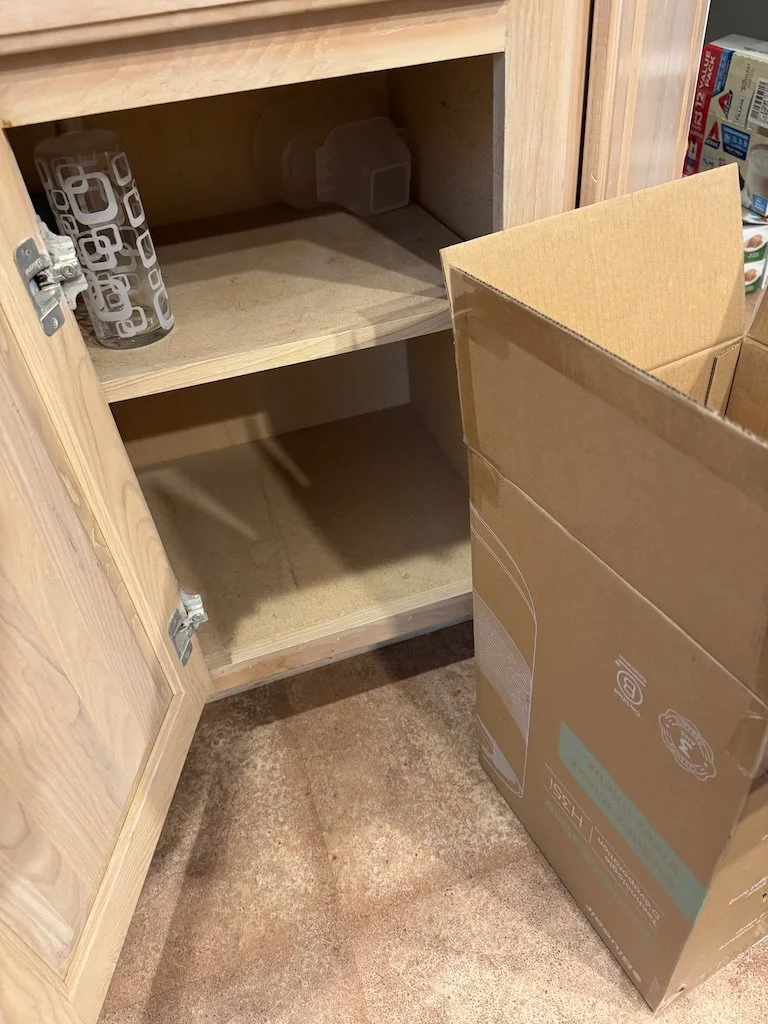
I bought a set of glass containers for leftovers/food storage and boxed up my old plastic containers; that created some extra space to reduce the crowding in my lower cabinets. The old mugs with plastic components and plastic reusable water bottles were also boxed since I have ceramic and stainless mugs (that I use without the lid most of the time since it is plastic). I also have stainless steel reusable water bottles – haven’t figured out a good way to no use the plastic lid though.

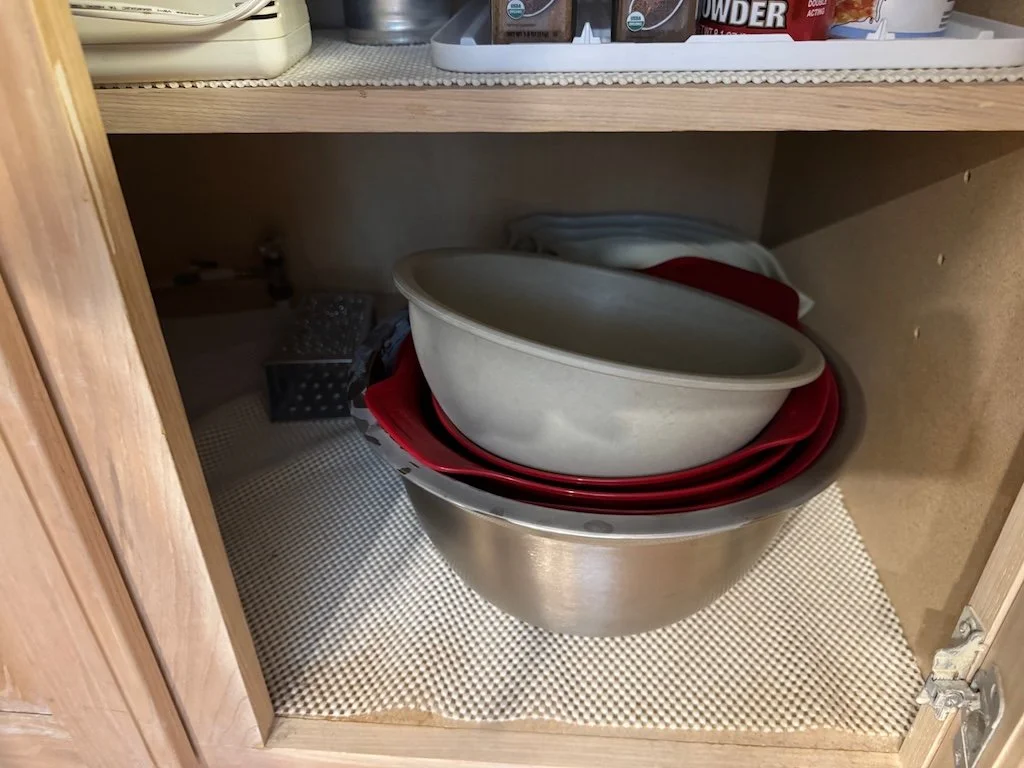
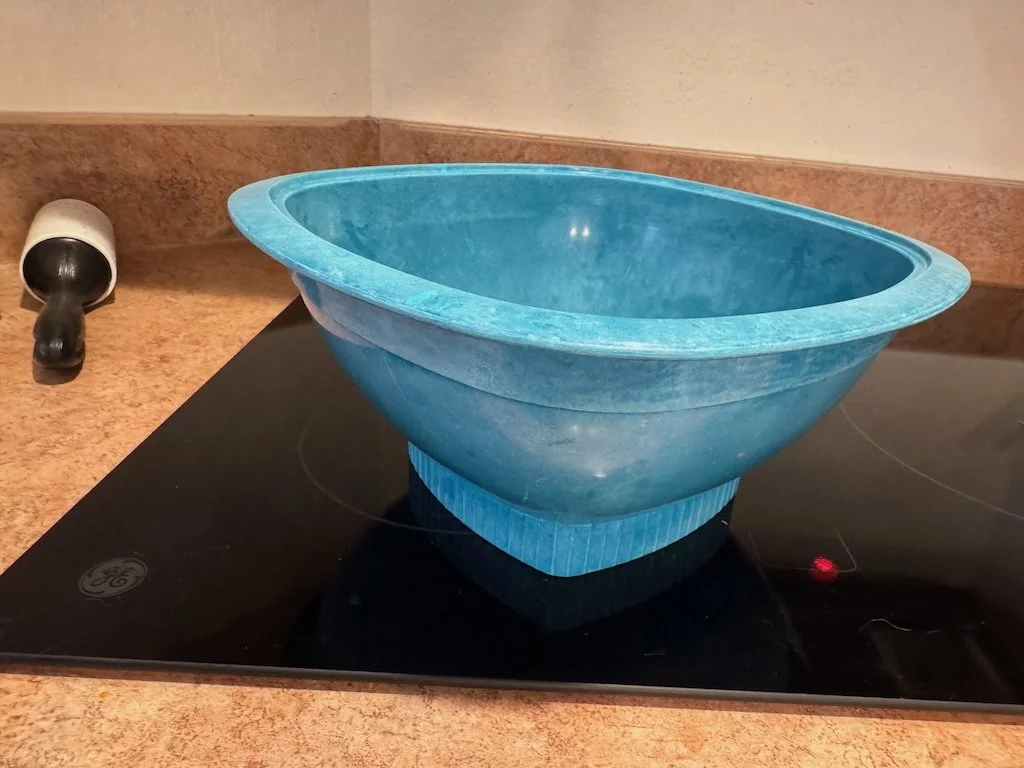
I am negotiating with my husband on mixing bowls. I have one large stainless-steel bowl which I will use for mixing – get rid of the red plastic ones. He likes one of our older plastic bowls for popcorn….and I’m not sure he is willing to let it go.

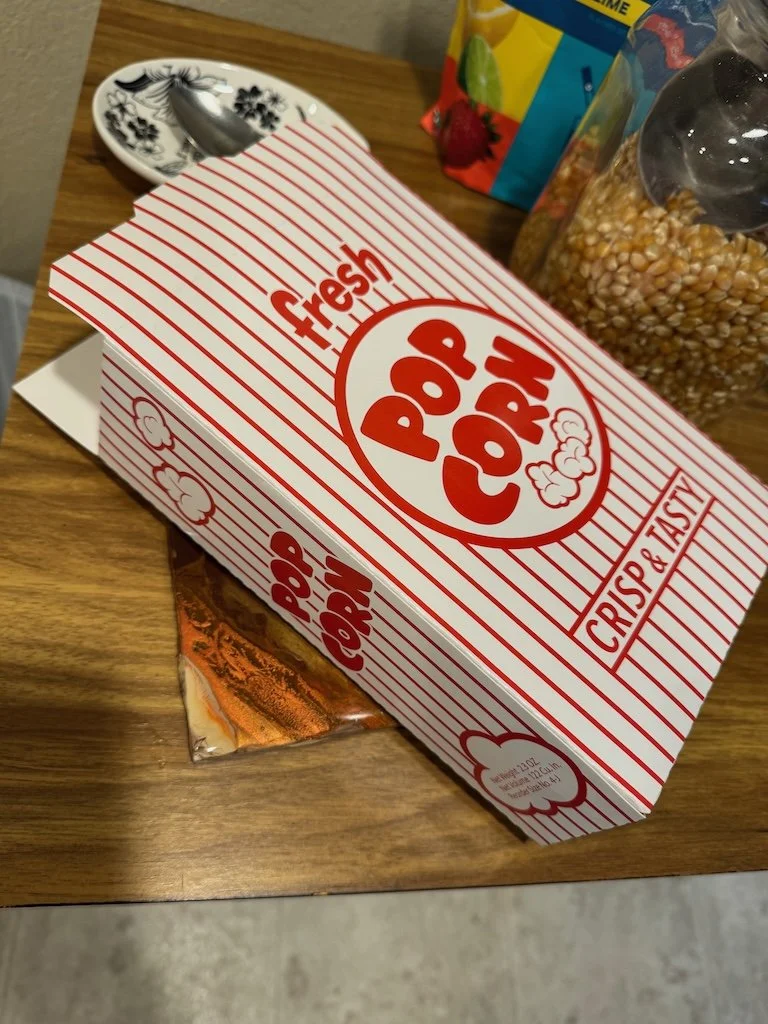
I am challenged to get rid of my Nordic Ware Microwave Popcorn Popper. I like popping corn without oil and in the microwave. But – the bowl does get very hot and that probably means it is shedding microplastics into my popcorn. I have also noticed that my air purifier detects particles in the air when I take the Nordic Ware bowl out of the microwave (the fan motor runs higher) ….so it’s time to get rid of the plastic bowl. I am experimenting with cardboard boxes and paper bags to contain the popping corn…dumping the popcorn into a glass bowl to eat it (with salt or butter or both applied after it is in the glass bowl).

I have a few old pans and muffin tins with non-stick coatings that I still need to take out of my kitchen…a job for another day.

Previous Plastic Crisis posts

Plastics Crisis – Miscellaneous thoughts

There is a lot about microplastics in the news; I’ve added some of the articles to my Gleanings posts. Microplastics are an overwhelming challenge to every living thing…and thus an overwhelming challenge to us. It is hard to find truly effective means to do something about them – to reduce their prevalence in our lives and in our broader environment. The actions I have taken so far seem small but maybe they are a place to start….there need to be bigger actions to make a difference. In this post I in including some of my thoughts over the past few weeks…as I search for the path beyond changes I can make to reduce microplastics (somewhat) in my own life.

  • Plastics are not part of any heritage…they are too new for that. They are damaging our environment in ways that degrades our health slowly. By the time we think of plastics as part of our heritage, it might be too late to stop our decline as a species.  

  • It is time that we realize that there is a price for plastics’ convenience in our lives that we are just now beginning to pay.

  • Hotels use plastic glasses in their rooms now….wrapped in more plastic. Not that long ago they were glass. Ice buckets are plastic and there is a plastic bag liner. We assume that the plastic makes it ‘clean’ but is that true?

  • The plastic pots the small plants were purchased in were very flimsy. They cracked as I flexed them to get the plants out as I planted the seedlings into my yard. They are another source of single use plastic.

  • Spaghetti sauce is easy to find in glass jars…unlike a lot of other foods. It seems not that long ago that it was easy to find mustard and lemon juice in glass. Not anymore.

  • Why aren’t cosmetic companies advertising products that are free of microplastics/endocrine disruptors?

  • Why aren’t retailers demanding less plastic packaging particularly when it adds little or no value. For example: multiple plastic layers around larger packages of toilet paper, the plastic insert in tissue boxes that has to be removed before the cardboard can be recycled, and the little window in paper bags of cookies that makes that bag unrecyclable.

When I bring up microplastics in conversation, everyone seems somewhat aware of the problem, and many are as alarmed as I am. At the same time, everyone seems to be anxious but doesn’t know what to do. There appears to be no leadership from any level of government. Maybe the pervasiveness of microplastics puts them into a new category of issues that our modern cultures do not know how to address…and that is resulting in no action. Climate change is another such issue and the experience to date has been frustrating to everyone. Again – the default seems to be to forge ahead toward a dystopian future because the magnitude of the issue is too overwhelming.

Previous Plastic Crisis posts

Plastics Crisis: A continuing journey

The past few weeks have been very busy, and I haven’t had time report on my continuing journey.

I attended my first ‘show me less plastics’ bimonthly zoom meeting. Everyone on the call seemed to be in the same initial mode…trying to figure out how to move forward. The largest group was from St. Louis…some from Kansas City and Columbia. There was one other person from Springfield. I will continue to dial into the zoom meetings and use them as a forcing function for myself to have something to report!

CNN did an experiment with three of its reporters (in New York, London, and Hong Kong) wearing chemical-tracking wristbands to find out what kind of chemicals they are exposed to. The video report can be found online - https://www.cnn.com/2025/10/08/climate/video/chemical-monitoring-wristbands-climate-digvid although there is not a lot of detail…it does indicate that people in big cities are probably exposed to a lot of chemicals as they go about their daily lives.

Living near a smaller city (Springfield MO), I do track the air quality. I know that when it is not green, the PM2.5 pollutants are usually the pollutant that is high…and that is made of microplastics and associated chemicals. The air quality where I lived in Maryland (between Baltimore and DC) prior to moving to Springfield was yellow more frequently and, sometimes, even made it to the red level.  So – moving to Springfield probably has reduced my exposure somewhat.

When I had my annual checkup with my doctor, I brought up microplastic exposure and she acknowledged the issue…but didn’t have any specific recommendations about what to do aside from avoiding bottled water and looking hard at getting plastics out of the kitchen, particularly anything that is heated and contacts food.

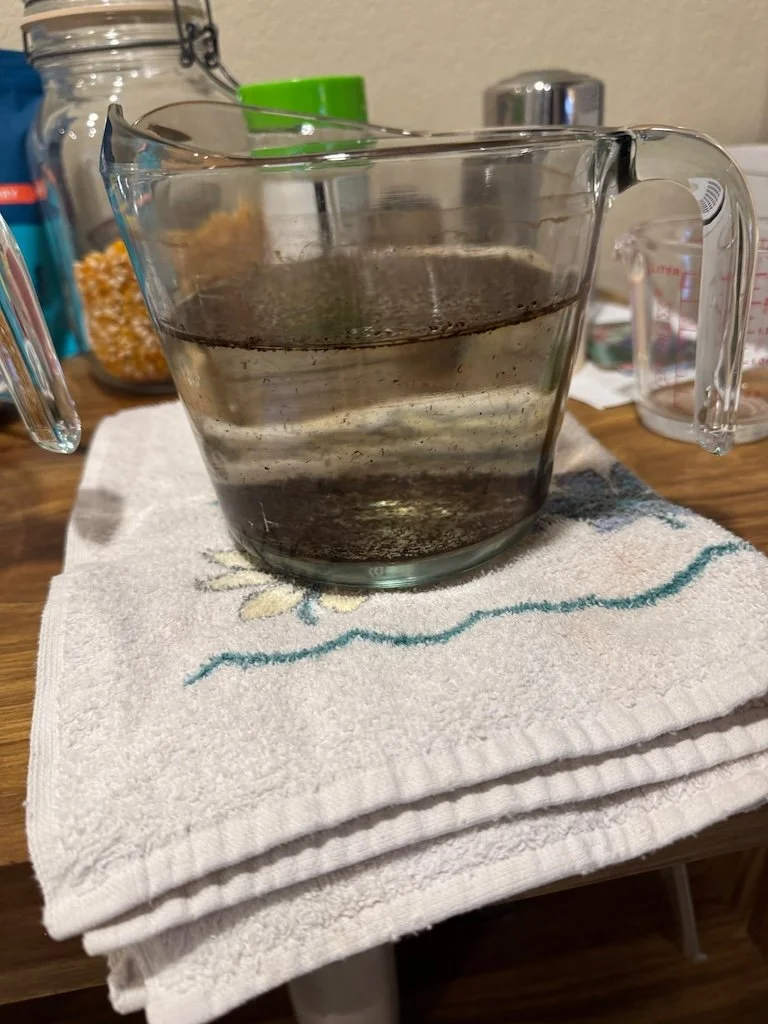
I have reduced my soft drink consumption to almost zero (avoid plastic bottles) and am drinking more iced tea. But wait….coffee makers (that I was using to make tea) have a lot of plastics and there are plastic fibers in many filters (so they will hold up better) and some tea bags are glued together (a plastic). Obviously there is heat involved in making tea so I changed my process:

  • Old Pyrex measuring cup (it was my mother’s and the markings are almost worn off)

  • Cut open the tea bag and empty the contents into the water

  • Heat in the microwave

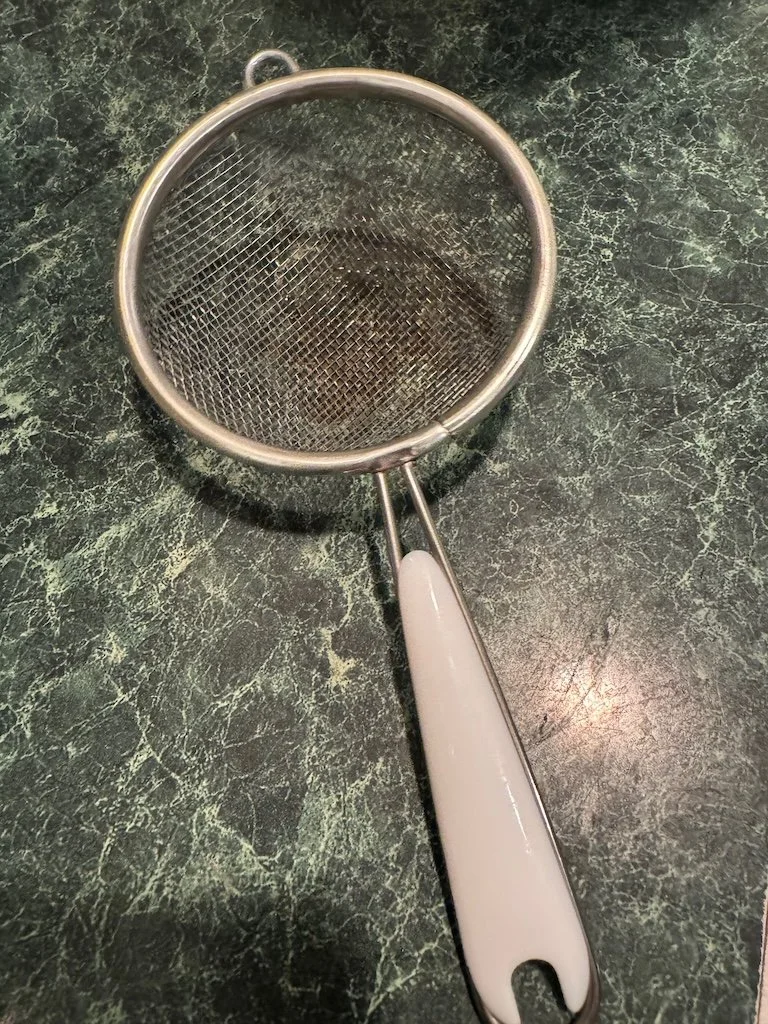
  • Strain the tea leaves with a metal strainer

It’s becoming a good routine….and I am aware that making tea is becoming a ritual rather than just a routine because of the old Pyrex. It could be almost as old as I am!

One thing I am noticing…my trash and recycle are trending downward…not as much in the bins. That’s a good thing!

Previous Plastic Crisis posts

Gleanings of the Week Ending October 4, 2025

The items below were ‘the cream’ of the articles and websites I found this past week. Click on the light green text to look at the article.

Why Does the Immune System Struggle When the Weather Changes? - Warmer environments promote better immune responses because less energy is diverted to regulating the body’s temperature. At colder temperatures, more resources are shuttled toward homeostasis, leaving less fuel available for immune cells. The cold temperatures are anti-inflammatory. The immune response just doesn't work as well and, molecularly, the adhesive interactions don't really bind as well. Seasonal shifts also bring changes in humidity and wind, which can affect the skin and mucosal barriers, and in turn, the immune response. Drier conditions can lead to more pathogens or other irritants entering the body, driving inflammatory responses. In contrast, excessive humidity can reduce the evaporation of sweat, thus preventing the body from being able to cool itself. Cold temperatures drive people indoors, where pathogens spread more easily. Meanwhile, warm days draw individuals outside, where people can be exposed to pollutants and allergens, which can render immune responses less prepared to fight actual infections.

Toxic-Free Future 2024 Report Card – How does your grocery store rank?

Your kitchen is full of microplastics. Here's how to eat less of them – Now that I am aware of the microplastic issues…there seem to be a lot of articles on the topic. I liked this one because it pointed to some real research and there were actions one could take to reduce microplastic exposure.

What Are Microplastics Doing to Our Bodies? This Lab Is Racing to Find Out. – This article is from last April, but it provides some information about the type of research that is being conducted…trying to understand the impact of microplastics on our bodies.

Why Alaska’s salmon streams are suddenly bleeding orange - Warming Arctic permafrost is unlocking toxic metals, turning Alaska’s once-clear rivers into orange, acid-laced streams. The shift, eerily like mine pollution but entirely natural, threatens fish, ecosystems, and communities that depend on them—with no way to stop the process once it starts. (Climate change…the US denial of its existence does not stop it.)

Inouye Solar Telescope Captures Most Detailed Images Ever of Powerful Solar Flares - Scientists hope that this new imaging can lead to improvements in solar flare modeling and a better understanding of the magnetic field in the sun’s corona. But even the most casual viewer will find much to enjoy in these photos: deep-red ribbons arch and swirl across a fiery plain, with bright flares peppered throughout.

This EV Sales Chart Really Embarrasses The USA – The US has become the laggard of the world in EV sales. It does not bode well for the future of our country.

Three-Minute Take-Home Test May Identify Symptoms Linked to Alzheimer’s Disease Years Before a Traditional Diagnosis - In 2021, 57 million people across the planet were living with dementia. This class of memory-related diseases is the world’s seventh greatest killer, and Alzheimer’s disease is its most common form. In a study published this month in the journal Brain Communications, researchers say the experimental test, called the Fastball EEG, can detect Alzheimer’s significantly earlier than a traditional clinical diagnosis would. In the study, each participant put on a cap that monitored the brain’s electrical activity as they viewed a series of images on a tablet. Some of the images belonged to a set that participants were shown before the start of the test, while others were entirely new. The Fastball test is just three minutes long and passive, meaning all that is required of the patient is to watch the images—they don’t have to follow instructions or actively remember anything. The results of the at-home test are sent directly to a patient’s doctor. Hopefully - Fastball EEG can one day be used as a screening tool for patients over 55 years old, though more research is needed to identify the best time to take the test.

Harnessing the superpowers of the most resilient life form on Earth - While water bears often must cope with drying out, it's less clear why they would need to survive baking hot temperatures, being cooled to just above absolute zero, or radiation only found in outer space.

The Secrets Behind the Roman Colosseum’s Enduring Engineering - Measuring roughly 615 feet in length, 510 feet in width, and 157 feet in height, the Colosseum was the largest amphitheater anywhere in the Roman Empire. Its capacity rivals that of modern stadiums; it can seat as many as 90,000, on par with London’s Wembley Stadium. Ancient texts and archeological studies both indicate that the construction of the Colosseum, which lasted from 72 to 80 C.E., was a meticulously planned and highly coordinated affair. The Colosseum hosted not only gladiatorial games, but also animal hunts, mock naval battles, public execution of criminals, and theatrical performances. Inside, seating was divided by social class, with the emperor and senators seated in the front rows and the plebeians, or common people, farther back. Although the structure survived the test of time, the Colosseum we know today is but a shadow of its former self. During the Early Middle Ages, following the fall of the Western Empire, almost all its moveable interior furnishings, including statues, wooden scaffolding, and marble seats, were removed and sold—an unceremonious end to a monumental history.

Gleanings of the Week Ending September 27, 2025

The items below were ‘the cream’ of the articles and websites I found this past week. Click on the light green text to look at the article.

Flamingos reveal their secret to staying young - A decades-long study in France reveals that resident flamingos, which stay put, enjoy early-life advantages but pay later with accelerated aging, while migratory flamingos endure early hardships yet age more slowly. This surprising link between movement and longevity challenges old assumptions and offers new insights into the science of aging.

‘Montana Miracle:’ The State Actually Succeeding at Housing Reform - In 2023, Montana passed a series of state laws aimed at increasing housing construction that included allowing ADUs and legalizing multifamily housing in commercial zones. This year, the legislature doubled down, expanding on the 2023 law and eliminating parking requirements for most units in the state’s 10 largest cities. A new law also eases permitting for manufactured home parks to eliminate the need for a subdivision review when these parks are not subdivided into private lots. Another allows single-staircase buildings up to six stories, making it easier to build denser buildings on smaller lots.

Photographers Capture Underground Pools and Passages of Lechuguilla Cave in New Mexico - So far, 150 miles of Lechuguilla Cave have been explored. With every new survey, the cave offers new insights as to how underground chambers like these are formed and the microbial beings found there. Its beauty earned the entire Carlsbad Cavern National Park the title of a UNESCO World Heritage Site in 1995. But due to its complexity, entrance is limited, with the NPS restricting explorations to highly trained speleologists with pre-approved plans.

Plastic Free Water Filters: Can We Find Water Purifiers without Plastic? – My daughter and I are looking to upgrade our water filters. I hope the water filter technology improves with emphasis on reducing microplastics in water.

Inside Ukrainian Artist Dmitry Oleyn’s Sculptural Approach to Landscape Painting - Rather than use the traditional approach that embraces the flatness of the canvas, the artist instead builds his pigments so there is an element of bas-relief, leaving the surface rugged and with a marked sense of tactility from the artist’s hand. When they are displayed, the irregular surface casts shadows, which when viewed against the painted shadows, is especially intriguing; it also creates a degree of mutability, as depending on the time of day and where the paintings are hung, the lighting of the space dialogues with the work both physically and compositionally.

Photography In the National Parks: Mesa Verde Revisited – I’ve been to Mesa Verde once….back in the 1970s. This article reminded me that I want to go again.

Map Reveals Toxic Pollution Leaking from U.S. Drilling Sites - Scientists have shown that U.S. oil and gas drilling sites are not just leaking methane but also a host of toxic chemicals that pose an urgent threat to the health of those living nearby. A new interactive map details the impact of hundreds of major leaks. At nearly every oil and gas site, leaks also produced benzene, a known carcinogen, as well as other chemicals that have been shown to harm bone marrow, weaken the immune system, impair the nervous system, as well as cause headaches, dizziness, vomiting, and fatigue. Is the fossil fuel industry so arrogant that they don’t care that they are spewing poison (some of which could be used for fuels and other industrial purposes if captured) that negatively impact the health of people and other life?

World’s Tallest Douglas Fir Tree Damaged in Mysterious, Multi-Day Blaze, but It’s Alive After Firefighters Extinguish Flames – It burned from August 16 to August 21. The tree is estimated to be around 450 years old and has a diameter of 11.5 feet. It no longer holds the title of the tallest Douglas fir in the world. However, officials are hopeful the old tree will rebound from the damage wrought by the fire. It’s possible the fir will even grow a new crown.

Six tips from the Middle Ages on how to beat the summer heat – Save the ideas for next summer: work flexibly, wear the right hat, eat to lower body temperature, try wild swimming, use aftersun, or flee.

8 Hints to Reduce Your Food Footprint - You can make food decisions today that change your food footprint. Eight ways you can reduce your food footprint so it’s more environmentally food-friendly: limit ultra-processed foods, curb waste, eat a primarily plant based diet, buy local, compost your food scraps, avoid plastic food packaging (sometimes difficult to do), lose the gas stove, call out Big Ag for its polluting practices.

Gleanings of the Week Ending September 20, 2025

The items below were ‘the cream’ of the articles and websites I found this past week. Click on the light green text to look at the article.

Fewer than half the calories grown on farms now reach our plates - The world produced enough calories in 2020 to feed 15 billion people – but only 50 per cent of those calories ended up reaching people’s plates. This proportion is now very likely to have fallen even lower because of the declining efficiency of the global food system. (This article is behind a paywall…but even the headline and first paragraphs that are freely available are thought provoking.)

Humans inhale as much as 68,000 microplastic particles daily - Every breath people take in their homes or car probably contains significant amounts of microplastics small enough to burrow deep into lungs. The smaller bits measure between 1 and 10 micrometers and present more of a health threat because they can more easily be distributed throughout the body. The concentrations indoors are higher because it is an enclosed environment with high levels of plastic in a small area, and there is generally poor ventilation. The concentration of plastic in the cars’ air was about four times higher than in homes. Researchers matched the microplastic material with that used on the dashboard, door handle, steering wheel and other components. (Makes the case for replacing plastic in home furnishings and air purifiers that remove small particles…the car is more challenging.)

The 25-Ton Stone Relic That Once Lay Hidden Beneath Mexico City - In the winter months of 1790, construction workers were busy repaving the Mexico City’s Plaza de Armas when their shovels struck upon a large, circular object buried in the ground. It was so heavy, they had to create a makeshift pulley system to remove it. Once they did, they were in for a surprise, as they had just discovered one of Aztec civilization’s most iconic artifacts: the Calendar Stone. It is a large sculpture carved into 25 ton, 4 feet-thick circular block of olivine volcanic basalt that measures 11.8 feet in diameter. It was removed from Tenochtitlan’s main square and buried face-down in the ground after the conquistadors conquered Tenochtitlan.

The Paradox of American Technological Leadership in Renewable Energy – From a journalist’s perspective, thriving in a developing nation, dependent on first-world technology.

Earliest Evidence of Indigo Processing Identified on Paleolithic Tools – From analysis of 34,000-year-old stone tools found in the Dzudzuana Cave in the foothills of Georgia’s Caucasus. The pebble grinding tools contained traces of plant matter and indigotin, the deep blue compound also known as indigo.

Global Solar Installations Up 64 Percent So Far This Year - Solar is the fastest-growing source of electricity worldwide, and the buildout continues to gain pace, year after year. In the first six months of 2025, countries installed 380 gigawatts of solar capacity, up from 232 gigawatts in 2024. China accounted for most of the growth, installing more than twice as much solar in the first half of this year as it did in early 2024. For the first time in China, solar isn’t just supplementing coal power, but replacing it. The U.S., by comparison, saw solar installations rise by just 4 percent. Through its exports of low-cost solar panels, China also drove growth in India and across much of Africa

Permitting Pollution Jeopardizes Clean Water - The PERMIT Act, will let large-scale polluters off the hook for trashing our waters, leaving the American people to pick up the tab. If it becomes law, this bill will pollute our drinking water, compromise our health, put more communities at risk of floods, and ruin many of the places we swim or fish.

How long can one RSV shot protect seniors? Study shows surprising two-year shield - A single RSV vaccine dose is proving to be a powerful shield for older adults, significantly reducing hospitalizations and severe illness over two consecutive RSV seasons. While protection is strongest in the first year and declines somewhat in the second, the findings highlight both the immediate benefits and the importance of ongoing monitoring.

84% of Chicago's Pipes Contain Lead — and They're Not Equally Distributed - Chicago has the highest number of lead water service lines in the nation, with an estimated 412,000 of about 491,000 lines at least partly made of lead or contaminated with the dangerous metal. The city’s Black and Latino communities are most impacted, but the issue is widespread across the city’s water distribution network.

How to Go Plastic Free for Beginners. Your First 10 Items! - Start with 10 items, step by step and then progress slowly to more once you feel more confident.